

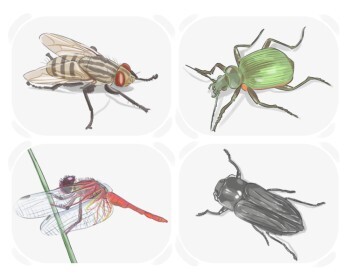
a small creature such as a bee or ant that has six legs, and generally one or two pairs of wings
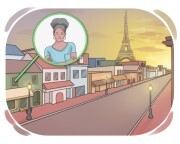
to have your home somewhere specific
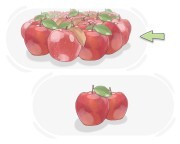
used to indicate a large number of people or things
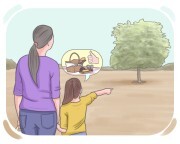
the part of space where someone or something is or they should be
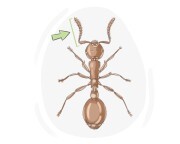
one of a pair of jointed sensory appendages on the head of insects, crustaceans, or similar organisms, often used to detect touch, taste, or movement
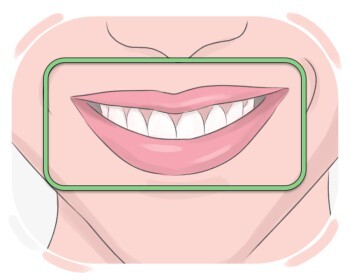
our body part that we use for eating, speaking, and breathing
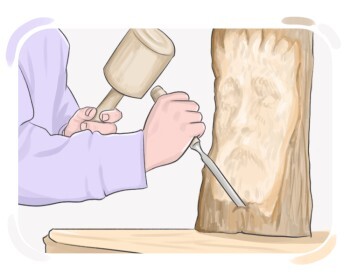
to form, produce, or prepare something, by putting parts together or by combining materials
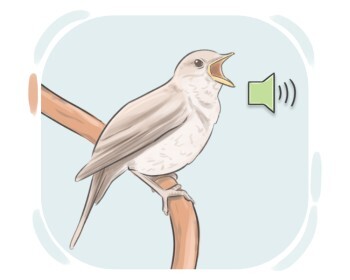
anything that we can hear

to lightly strike or hit a surface repeatedly, producing a series of short, sharp sounds
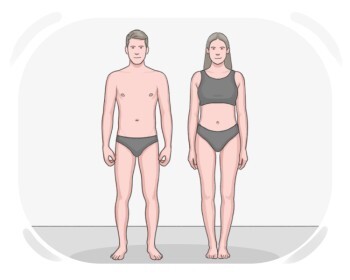
our or an animal's hands, legs, head, and every other part together
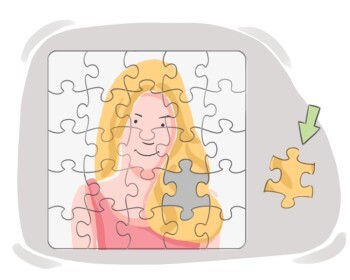
any of the pieces making a whole, when combined
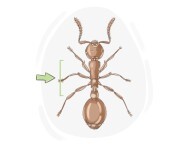
the middle part in the body of an insect between the head and the abdomen that bears the limbs or wings
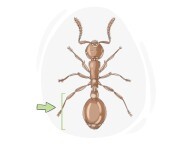
the posterior or rear section of an insect or other arthropod, following the thorax
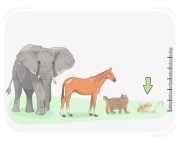
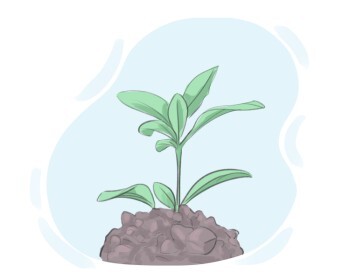
a living thing that grows in ground or water, usually has leaves, stems, flowers, etc.
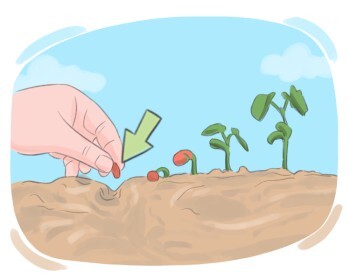
a small living part of a plant that when put in the ground, grows into a new one
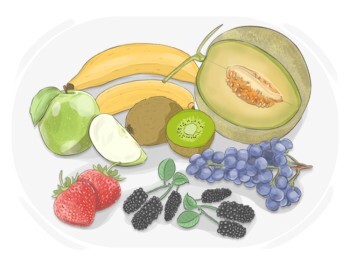
something we can eat that grows on trees, plants, or bushes
a small creature such as a bee or ant that has six legs, and generally one or two pairs of wings
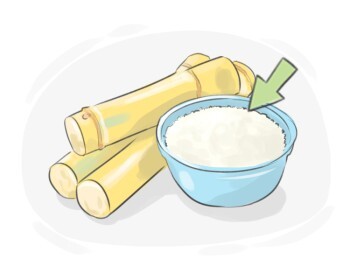
a sweet white or brown substance that is obtained from plants and used to make food and drinks sweet
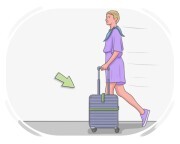
to hold someone or something and take them from one place to another
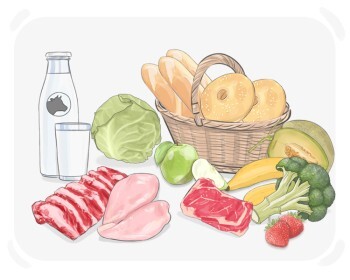
things that people and animals eat, such as meat or vegetables
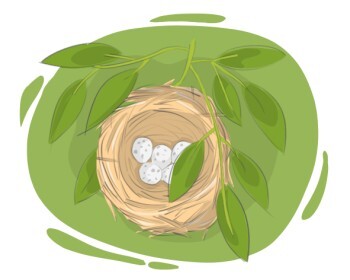
a structure that a bird makes for laying eggs or keeping the hatchlings in
to possess or use something with someone else at the same time
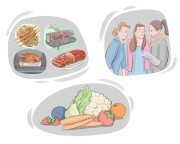
a number of things or people that have some sort of connection or are at a place together
(biology) a community of plants or animals that live close to each other in the same place
to move upward on something, often using feet and hands for support
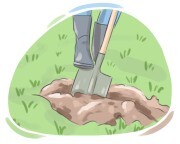
to remove earth or another substance using a tool, machine, or hands
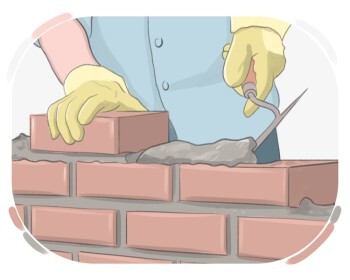
to put together different materials such as brick to make a building, etc.
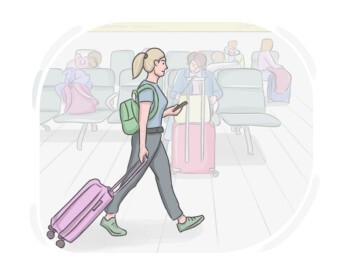
to go from one location to another, particularly to a far location
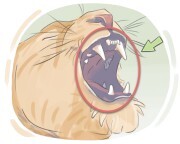
the bony structure of a vertebrate's skull that frames the mouth and holds the teeth
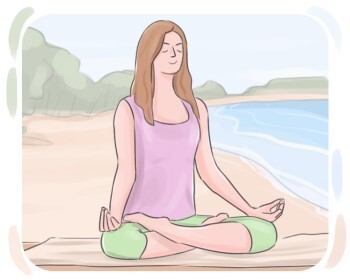
not showing worry, anger, or other strong emotions
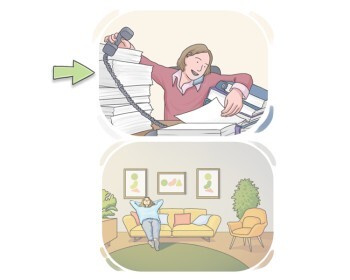
having so many things to do in a way that leaves not much free time
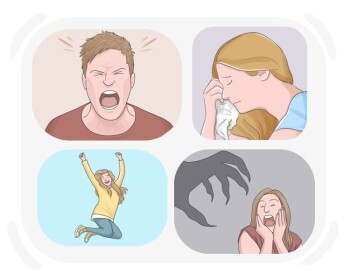
an emotional state or sensation that one experiences such as happiness, guilt, sadness, etc.
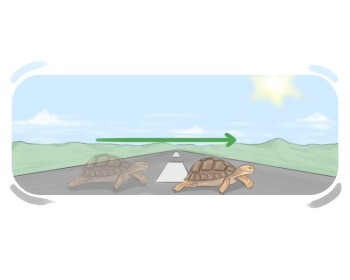
a change in position or posture that occurs without actually relocating from one place to another
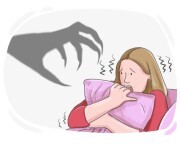
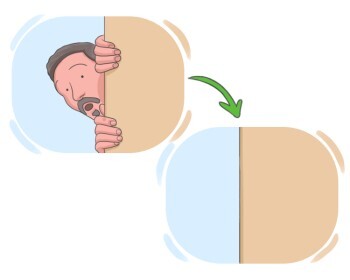
to remain out of sight, typically to avoid being seen or discovered
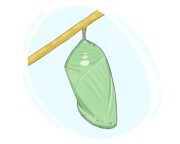
a young form of an insect or an animal that has come out of the egg but has not yet developed into an adult
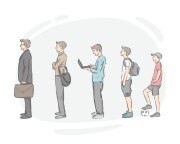
to get larger and taller and become an adult over time
sterile member of a colony of social insects that forages for food and cares for the larvae
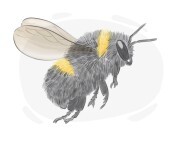
the sole fertile female in a colony of social insects, responsible for laying eggs
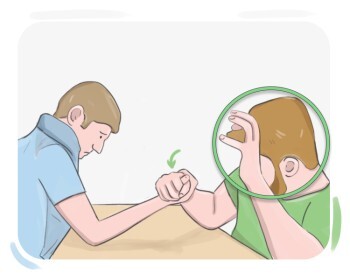
having a lot of physical power
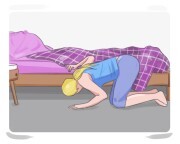
to search and discover something or someone that we have lost or do not know the location of
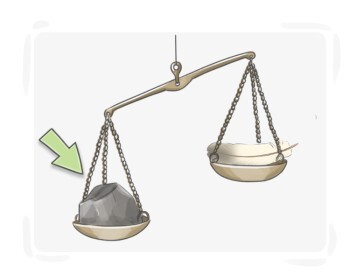
having a lot of weight and not easy to move or pick up

| Key Insects Vocabulary | |||
|---|---|---|---|
| Butterfly | Ant | Bee | Mosquito |
| Grasshopper | Ladybug | ||
