pattern

500 Most Common English Adverbs - Top 251 - 275 Adverbs

Here you are provided with the part 11 of the list of the most common adverbs in English such as "high", "actively", and "lately".

Review

Flashcards

Spelling

Quiz
Start learning
Most Common Adverbs in English Vocabulary
historically
historically
[Adverb]

in a way related to the past

Ex: Historically, the city has been a center of trade and cultural exchange. 
Close
Sign in
emotionally
emotionally
[Adverb]

in a way that is related to feelings and emotions
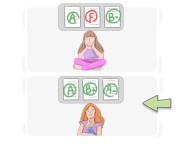
Ex: The book was emotionally engaging, making readers feel a deep connection with the characters. 
Close
Sign in
consistently
consistently
[Adverb]

in a way that is always the same

Ex: He consistently delivers high-quality work on every project. 
Close
Sign in
nonetheless
nonetheless
[Adverb]

used to indicate that despite a previous statement or situation, something else remains true
Ex: The evidence was weak; the jury convicted him nonetheless. 
Close
Sign in
high
high
[Adverb]

at a great distance or elevation from the ground or a reference point
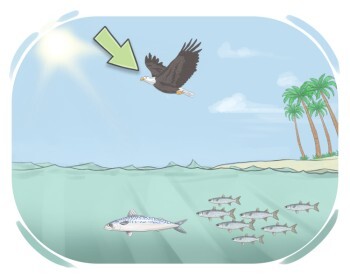
Ex: The birds circled high in the air before landing on the roof. 
Close
Sign in
actively
actively
[Adverb]

in a way that involves effort and participation rather than being passive
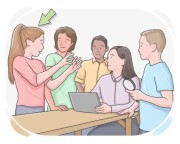
Ex: The company is actively hiring new staff in all departments. 
Close
Sign in
lately
lately
[Adverb]

in the recent period of time

Ex: I've been feeling tired lately. 
Close
Sign in
publicly
publicly
[Adverb]

in a way that is visible or accessible to the general public

Ex: The announcement was made publicly to inform everyone. 
Close
Sign in
traditionally

in accordance with methods, beliefs, or customs that have remained unchanged for a long period of time
Ex: Thanksgiving dinner is traditionally celebrated with a turkey feast. 
Close
Sign in
since
since
[Adverb]

from a specific point in the past until the present time

Ex: He started studying medicine in 2005 and has been practicing as a doctor since. 
Close
Sign in
thankfully
thankfully
[Adverb]

used to express relief or appreciation for a positive circumstance or outcome

Ex: Thankfully, the medical test results came back negative, providing reassurance about my health. 
Close
Sign in
sadly
sadly
[Adverb]

in a sorrowful or regretful manner

Ex: He spoke sadly about the missed opportunities in his career. 
Close
Sign in
quick
quick
[Adverb]

in a manner that is fast and takes little time

Ex: The emergency response team acted quick to address the situation. 
Close
Sign in
whatsoever
whatsoever
[Adverb]

(used for emphasis) not at all

Ex: He had no interest whatsoever in attending the party. 
Close
Sign in
partially
partially
[Adverb]

to a limited degree or extent

Ex: She was partially responsible for the project's success, having contributed valuable ideas. 
Close
Sign in
nowadays
nowadays
[Adverb]

at the present era, as opposed to the past

Ex: Nowadays, people rely heavily on technology for communication. 
Close
Sign in
interestingly

in a way that arouses one's curiosity or attention

Ex: Interestingly, the ancient civilization had advanced knowledge of astronomy, as revealed by their complex calendar systems. 
Close
Sign in
nevertheless
nevertheless
[Adverb]

used to introduce an opposing statement

Ex: The plan was risky; they proceeded nevertheless. 
Close
Sign in
fundamentally

in every important respect

Ex: Fundamentally, the success of a team depends on the cooperation of its members. 
Close
Sign in
easy
easy
[Adverb]

with no effort or difficulty

Ex: With the right tools, he fixed the issue easy, saving time and effort. 
Close
Sign in
simultaneously

at exactly the same time

Ex: The two dancers performed different routines simultaneously on the stage. 
Close
Sign in
worldwide
worldwide
[Adverb]

in or to all parts of the world

Ex: The band's latest album was released and sold out worldwide within hours. 
Close
Sign in
nearby
nearby
[Adverb]

not in the distance

Ex: There's a cafe nearby, perfect for a quick coffee break. 
Close
Sign in
sometime
sometime
[Adverb]

at an undetermined point in the future

Ex: We should meet sometime next week. 
Close
Sign in
at last
at last
[Adverb]

in the end or after a lot of waiting

Ex: I've finished my essay at last! 
Close
Sign in
LanGeek
Download LanGeek app