pattern

Business and Finance - Banking

Study terms related to bank accounts, deposits, withdrawals, cards, loans, interest, overdrafts, transfers, and banking institutions.

Review

Flashcards

Spelling

Quiz

Start learning
Words Related to Business and Finance
banker
banker
[noun]

a person who possesses or has a high rank in a bank or any other financial institution
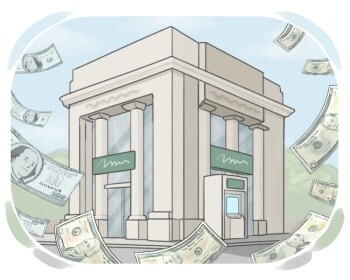
Ex: As a banker, she oversees the lending operations and financial services offered to clients. 
Close
Sign in
banking
banking
[noun]

the management and handling of financial matters or transactions

Ex: The banking of financial matters is crucial for the success of any business enterprise. 
Close
Sign in
bank statement

a document given by a bank to an account holder, providing a summary of all financial transactions within a specified period
Ex: John reviewed his bank statement to reconcile his records with his monthly expenses. 
Close
Sign in
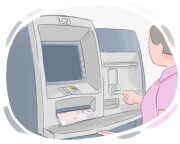
automated teller machine

a machine that allows customers to perform financial transactions such as withdrawals, deposits, transfers, etc.

Ex: The bank installed a new ATM in the shopping mall. 
Close
Sign in
ATM card
ATM card
[noun]

a plastic card used to withdraw cash from automated teller machines
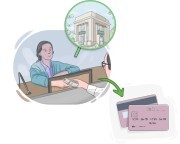
Ex: She used her ATM card to withdraw $200 from the machine. 
Close
Sign in
account
account
[noun]

an arrangement according to which a bank keeps and protects someone's money that can be taken out or added to

Ex: Sarah opened a savings account at the local bank to start saving for her future. 
Close
Sign in
bank account

a financial arrangement between a person and a bank that allows them to put money in and take money out whenever they need to

Ex: She opened a new bank account to save for her future. 
Close
Sign in
current account

a bank account that allows frequent deposits and withdrawals, typically using checks, with no prior notice required

Ex: They offer free banking services with their current account. 
Close
Sign in
deposit account

a bank account that holds funds for a fixed term or requires notice for withdrawal, often with interest penalties

Ex: She opened a deposit account with a 12-month fixed term to earn higher interest. 
Close
Sign in
savings account

a bank account that pays interest on one's deposited money and is intended to help one save over time

Ex: She transferred part of her salary into her savings account each month. 
Close
Sign in
deposit
deposit
[noun]

money placed in a bank or financial institution

Ex: He made a deposit of $500 into his savings account. 
Close
Sign in
withdrawal

the act of taking out money or other capital

Close
Sign in
to draw
to draw
[Verb]

to withdraw funds from a financial institution or an account

Ex: Every month, he would draw a specific amount from his savings account to cover living expenses. 
Close
Sign in
balance
balance
[noun]

the sum of money that is left in a bank account
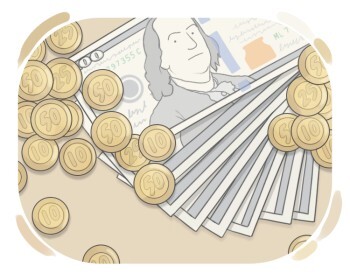
Ex: After paying bills and expenses, she always checks her balance to ensure she has enough money left for savings. 
Close
Sign in
cash
cash
[noun]

money in bills or coins, rather than checks, credit, etc.

Ex: He always keeps a little cash in his wallet for emergencies. 
Close
Sign in
cash card
cash card
[noun]

a card used to withdraw cash from a bank account or via credit

Ex: She used her cash card to withdraw £50 from the ATM. 
Close
Sign in
debit
debit
[noun]

an entry indicating an increase in assets or an expense, and a decrease in debts or income
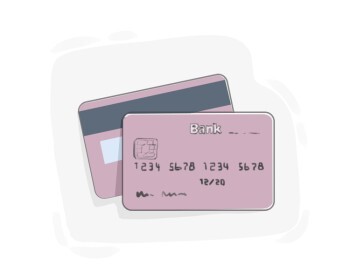
Ex: The accountant recorded the purchase as a debit. 
Close
Sign in
debit card

a small plastic card we use to pay for what we buy with the money taken directly from our bank account

Ex: He uses his debit card to pay his monthly bills. 
Close
Sign in
direct debit

an arrangement where money is automatically taken from a bank account to pay bills or recurring expenses

Ex: She set up a direct debit to pay her electricity bill every month. 
Close
Sign in
credit
credit
[noun]

a system where a customer is given access to goods or services with the promise of paying later, often after an advance payment or agreement
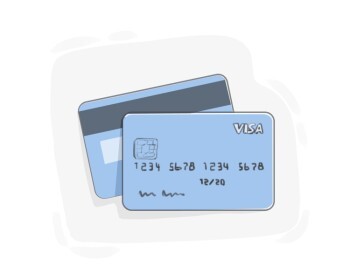
Ex: The store offered her a credit balance that she could use to buy more items. 
Close
Sign in
credit card

a plastic card, usually given to us by a bank, that we use to pay for goods and services
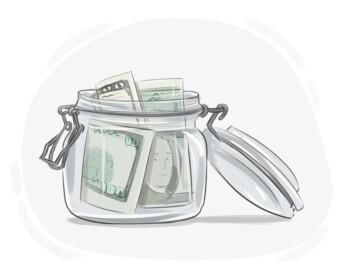
Ex: He applied for a new credit card with a lower interest rate. 
Close
Sign in
savings
savings
[noun]

the amount of money that one has kept for future use, especially in a bank

Ex: She diligently set aside a portion of her income each month to contribute to her savings account. 
Close
Sign in
cash machine

an electronic device that enables individuals to perform financial transactions, such as withdrawing cash, without the need for human assistance

Ex: She went to the cash machine to withdraw some money. 
Close
Sign in
central bank

a national monetary authority that issues currency, regulates credit, and manages bank reserves and government securities
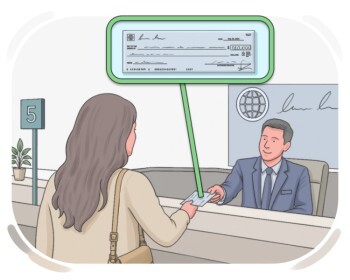
Ex: The central bank raised interest rates to combat inflation. 
Close
Sign in
check
check
[noun]

‌a printed form that we can write an amount of money on, sign, and use instead of money to pay for things

Ex: He received a check for the sale of his old car. 
Close
Sign in
checkbook
checkbook
[noun]

a booklet of blank checks issued to a checking account holder
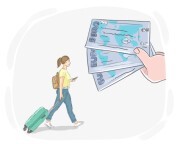
Ex: She wrote the rent check from her checkbook every month. 
Close
Sign in
traveler's check

a preprinted, fixed-amount check used as a form of payment while traveling, often replaceable if lost or stolen

Ex: She exchanged traveler's checks at the bank for local currency. 
Close
Sign in
commercial bank

a financial institution that accepts deposits, provides loans, and offers general banking services to the public

Ex: She opened a checking account at a commercial bank near her office. 
Close
Sign in
investment bank

a financial institution that provides advisory and capital-raising services for corporations and investors

Ex: The investment bank advised the company on its initial public offering. 
Close
Sign in
to lend
to lend
[Verb]

(of a bank or other financial institutions) to give someone a sum of money provided that they pay it back later, particularly with an additional amount added as interest

Ex: The bank agreed to lend him $50,000 to purchase a new car, with a fixed interest rate over five years. 
Close
Sign in
lender
lender
[noun]

a person or entity that lends money to other people or organizations

Close
Sign in
to borrow
to borrow
[Verb]

to receive money from a person or institution with the obligation to repay it later

Ex: She borrowed $10,000 from the bank to start her business. 
Close
Sign in
borrowing
borrowing
[noun]

the act of getting money from a person or an organization with the agreement to repay the borrowed amount along with any related interest or fees within a specified period
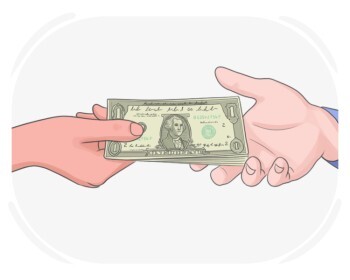
Ex: Borrowing allows individuals and organizations to access capital they need for investments or expenses without needing to liquidate existing assets. 
Close
Sign in
loan
loan
[noun]

a sum of money that is borrowed from a bank which should be returned with a certain rate of interest

Ex: She took out a loan to buy her first home, which she plans to repay over 30 years. 
Close
Sign in
interest
interest
[noun]

the fee paid for borrowing money, calculated as a percentage of the loan amount over time
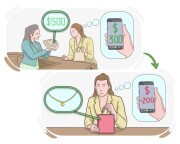
Ex: The bank charges 5% interest on personal loans. 
Close
Sign in
overdraft
overdraft
[noun]

a deficit in a bank account caused by withdrawing more money than is available

Ex: The bank charged a fee for the overdraft on her account. 
Close
Sign in
to take out

to get money from one's bank account

Ex: I need to take some cash out from the ATM for the weekend. 
Close
Sign in
overdrawn
overdrawn
[Adjective]

having withdrawn more money from a bank account than the available balance
Ex: She realized she was overdrawn when her debit card was declined. 
Close
Sign in
to transfer

to make a person or thing move from a place, situation, or person to another

Ex: The professor decided to transfer the student to a more advanced class. 
Close
Sign in
LanGeek
Download LanGeek app