
Four Corners 2 - Unit 11 Lesson C
Here you will find the vocabulary from Unit 11 Lesson C in the Four Corners 2 coursebook, such as "folk", "techno", "classical", etc.
Review
Flashcards
Spelling
Quiz
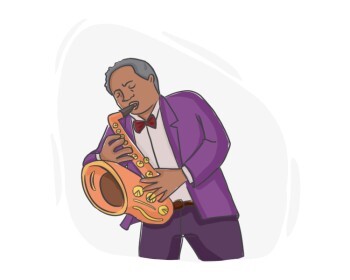
a music genre that emphasizes improvisation, complex rhythms, and extended chords, originated in the United States in the late 19th and early 20th centuries

a piece of land with a government of its own, official borders, laws, etc.

relating to the foundational or earliest major period of a field of study
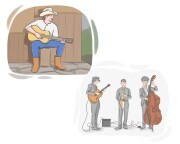
music that originates from and reflects the traditional culture of a particular region or community, often featuring acoustic instruments and storytelling lyrics
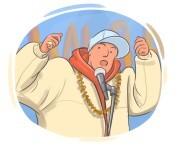
popular music featuring rap that is set to electronic music, first developed among black and Hispanic communities in the US

a fast-paced style of electronic dance music with a few or no words
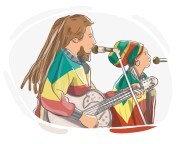
a genre of music that originated in Jamaica, characterized by a steady rhythm, offbeat accents, and lyrics often addressing social and political themes
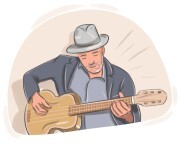
a type of folk music with strong rhythms and a melancholic atmosphere, first developed by the African American community in the Southern US
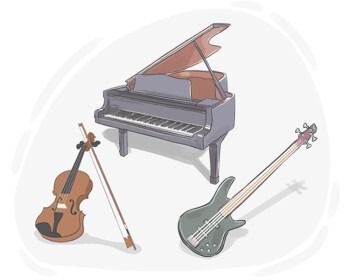
an object or device used for producing music, such as a violin or a piano
a musical piece written for one singer or instrument

used to refer to every number, part, amount of something or a particular group
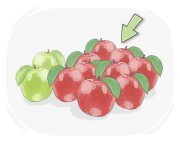
used to refer to the largest number or amount
used to express an unspecified amount or number of something
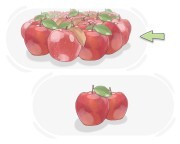
used to indicate a large number of people or things
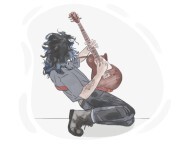
a genre of popular music, with a strong beat played on electric guitars and drums, evolved from rock and roll and pop music
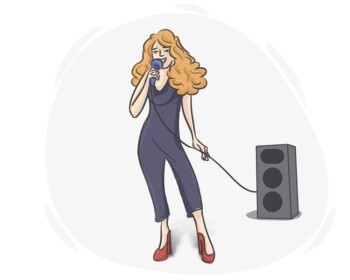
| Four Corners 2 | |||
|---|---|---|---|
| Unit 11 Lesson A | Unit 11 Lesson B | Unit 11 Lesson C | Unit 11 Lesson D |
| Unit 12 Lesson A | Unit 12 Lesson B | Unit 12 Lesson C | Unit 12 Lesson D |
