pattern

Insight - Advanced - Unit 8 - 8D

Here you will find the vocabulary from Unit 8 - 8D in the Insight Advanced coursebook, such as "commence", "desist", "illicit", etc.

Review

Flashcards

Forms

Spelling

Quiz

Start learning
Insight - Advanced
to commence

to start happening or being

Ex: The ceremony will commence at 10 AM sharp. 
Close
Sign in
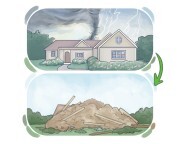
to inflict

to cause or impose something unpleasant, harmful, or unwelcome upon someone or something

Ex: The hurricane inflicted significant damage on the coastal town. 
Close
Sign in
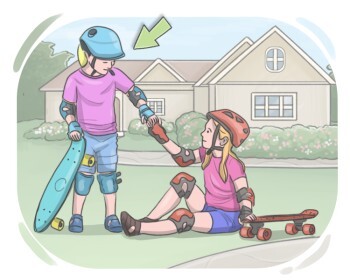
to yield
to yield
[Verb]

to give or provide a result, often as a reaction to something that happened
Ex: The negotiations between the two countries finally yielded a peace agreement. 
Close
Sign in
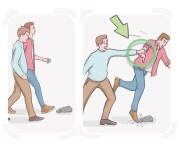
to seize
to seize
[Verb]

to suddenly and forcibly take hold of something

Ex: In a panic, she reached out to seize her falling phone before it hit the ground. 
Close
Sign in
to desist
to desist
[Verb]

to stop doing something, particularly in response to a request, command, or understanding that it should be discontinued

Ex: The company was ordered to desist from any further illegal practices. 
Close
Sign in
to fasten
to fasten
[Verb]

to bring two parts of something together
Ex: He couldn't figure out how to fasten the buttons on his shirt with his cold fingers. 
Close
Sign in
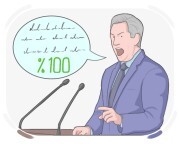
to assert
to assert
[Verb]

to clearly and confidently say that something is the case
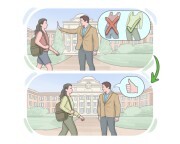
Ex: In an interview last month, the athlete asserted that dedication and hard work will always lead to achieving fitness goals. 
Close
Sign in
principle
principle
[noun]

a fundamental rule that is considered to be true and can serve as a basis for further reasoning or behavior

Ex: The scientific method is based on the principle of empirical evidence, requiring observations and experiments to support hypotheses. 
Close
Sign in
principal
principal
[noun]

the person in charge of running a school
Ex: The principal greeted students at the front entrance of the school every morning. 
Close
Sign in
antisocial
antisocial
[Adjective]

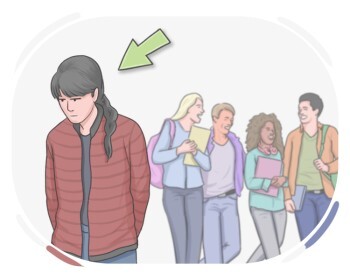
not wanting the company of others

Ex: She seemed antisocial at the party, standing by the wall and answering only when spoken to. 
Close
Sign in
unsocial
unsocial
[Adjective]

not wanting to be around or interact with other people, often preferring to be alone
Close
Sign in
unsociable
unsociable
[Adjective]

not enjoying or seeking the company of others, preferring to be alone instead

Ex: He often seemed unsociable, preferring to spend time alone. 
Close
Sign in
migrant
migrant
[noun]

a person who moves from one place to another, often across borders or regions, to live or work temporarily or permanently
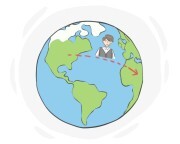
Ex: Seasonal migrants travel to farms for harvest work every year. 
Close
Sign in
immigrant
immigrant
[noun]

someone who comes to live in a foreign country

Ex: The government introduced a new policy to support immigrants integrating into the community. 
Close
Sign in
emigrant
emigrant
[noun]

someone who moves from one country to another with the intention of settling there permanently

Ex: Ellis Island was the gateway for millions of European emigrants seeking a new life in the New World. 
Close
Sign in
illicit
illicit
[Adjective]

not morally or socially acceptable

Ex: Some religions consider consumption of alcohol to be illicit based on doctrine prohibiting intoxication. 
Close
Sign in
to elicit
to elicit
[Verb]

to make someone react in a certain way or reveal information

Ex: The detective skillfully posed questions to elicit a confession from the suspect. 
Close
Sign in
human
human
[noun]

a person

Ex: Human beings have the ability to communicate through language. 
Close
Sign in
humane
humane
[Adjective]

showing compassion, kindness, and consideration towards others

Ex: The humane treatment of animals is a fundamental principle of ethical farming practices. 
Close
Sign in
to endeavor

to make an effort to achieve a goal or complete a task

Ex: Despite the challenges, he endeavors to create a positive impact in his community. 
Close
Sign in
LanGeek
Download LanGeek app