
Cambridge English: CPE (C2 Proficiency) - Válka
Naučte se pokročilou slovní zásobu CPE týkající se válčení, včetně vojenských operací, zbraní, strategie, boje, konfliktu, sil a činností spojených s válkou.
Revize
Kartičky
Pravopis
Kvíz


a massive group of warships organized for military or strategic purposes

armada, válečná flotila
Španělská armada vyplula v roce 1588, aby napadla Anglii.
the complete supply of weapons and military equipment available to a country or organization
arzenál, zbrojnice
to supply someone with the weapons, gear, and attire necessary for military service
vybavit, vyzbrojit
Byl vybaven pro bitvu, připraven k nasazení za úsvitu.
a protective shield or breastplate, originally from ancient mythology, designed to guard the chest and upper body from harm
ochranný štít, prsní pancíř
Legendy popisují aegis jako zářící sílu a nabízející božskou ochranu.
a sharp projection on an arrowhead, spear, or similar tool designed to make removal difficult
zub, hrot
Konstrukce zubce učinila zbraň účinnější.
a continuous, concentrated attack using artillery to cover a wide area rather than aim at a single target
přehradná palba, záclonová palba
Překvapivá palba zastihla protivníky nepřipravené.
a military unit composed of a varying number of companies or platoons, typically commanded by a lieutenant colonel
prapor, vojenská jednotka
Každý prapor měl během operace svou vlastní odlišnou sadu odpovědností.
a temporary outdoor shelter or set of living quarters built by soldiers, usually without permanent structures
bivak, dočasný tábor
Bivak byl za úsvitu rozebrán, když se vojsko přesunulo.
a thick, usually short stick or club used to hit or strike, often intended as a weapon
obušek, kyj
Padouch mával těžkou obuškem, aby zastrašil své nepřátele.
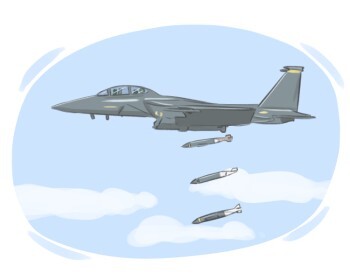
a continuous attack on an area using bombs
bombardování, ostřelování
Historici studovali účinky leteckého bombardování ve druhé světové válce.
a raised earthwork, wall, or other structure built to protect an area or fortification from attack
val, bašta
Útočníci se snažili prorazit kamenný val.
to officially take possession or control of something, typically for military or governmental purposes, often without the consent of the owner
zabavit, rekvirovat
V době války mají úřady pravomoc zabavit zdroje nezbytné pro obranné úsilí.
a short and thick stick that is used as a weapon for hitting or striking
obušek, kyj
Starý muž měl u postele obušek na ochranu před vetřelci.
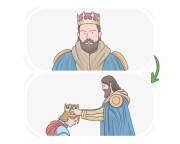
to hand over power, land, or a position to another, particularly due to being forced
postoupit, předat
Země neochotně předává kontrolu nad svými klíčovými odvětvími.
a brief, small-scale fight between small groups, often part of a larger conflict
šarvátka, potyčka
Historické záznamy popisují šarvátku, která trvala jen několik minut.
the act of surrendering a right, land, or property to a country
postoupení
Postoupení území po mírové smlouvě vedlo k dramatickému posunu v regionální moci.
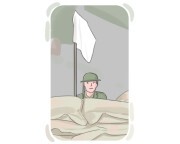
to surrender after negotiation or when facing overwhelming pressure
kapitulovat, vzdát se
Království odmítlo kapitulovat navzdory rostoucím ztrátám.
something given, allowed, or surrendered in response to demands or as part of a compromise
ústupek, koncese
the harshest or most intense part of something
nejhorší část, hlavní rána
Pracovníci v první linii pocítili tíhu pandemie.
