
Cambridge English: CPE (C2 Proficiency) - Guerra
Aprende vocabulario avanzado de CPE sobre la guerra, incluidas operaciones militares, armas, estrategia, combate, conflicto, fuerzas y acciones asociadas con la guerra.
Revisión
Tarjetas de memoria
Ortografía
Cuestionario


a massive group of warships organized for military or strategic purposes

armada, flota
Los historiadores estudian la armada como un punto de inflexión en la guerra marítima.
the complete supply of weapons and military equipment available to a country or organization
arsenal, arsenal militar
to supply someone with the weapons, gear, and attire necessary for military service
equipar
El general estaba equipado con el uniforme ceremonial y las medallas.
a protective shield or breastplate, originally from ancient mythology, designed to guard the chest and upper body from harm
escudo protector, égida
La armadura ceremonial incluía un égida ornamentado grabado con símbolos sagrados.
a sharp projection on an arrowhead, spear, or similar tool designed to make removal difficult
púa, lengüeta
Quitar una púa de la herida requería cirugía.
a continuous, concentrated attack using artillery to cover a wide area rather than aim at a single target
un fuego de barrera, una cortina de fuego
Los aviones lanzaron un bombardeo para debilitar las defensas enemigas.
a military unit composed of a varying number of companies or platoons, typically commanded by a lieutenant colonel
batallón
Durante la revisión, el general inspeccionó cada batallón para evaluar su preparación.
a temporary outdoor shelter or set of living quarters built by soldiers, usually without permanent structures
vivac, campamento temporal
El ejército estableció un vivac para descansar y reagruparse.
a thick, usually short stick or club used to hit or strike, often intended as a weapon
porra, maza
Los soldados medievales a veces luchaban con mazas con púas.
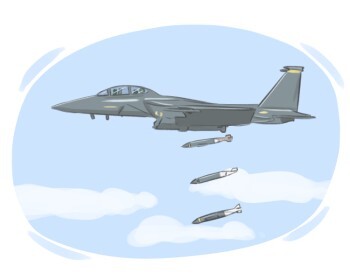
a continuous attack on an area using bombs
bombardeo, cañoneo
Los civiles se escondieron en refugios para escapar del bombardeo implacable.
a raised earthwork, wall, or other structure built to protect an area or fortification from attack
baluarte, muralla
Las ciudades antiguas a menudo dependían de baluartes para repeler a los invasores.
to officially take possession or control of something, typically for military or governmental purposes, often without the consent of the owner
requisar
Los rebeldes intentaron requisar la estación de radio para transmitir su mensaje al público.
a short and thick stick that is used as a weapon for hitting or striking
porra
Durante el motín, los manifestantes se armaron con garrotes hechos de ramas rotas.

to hand over power, land, or a position to another, particularly due to being forced
ceder
No tuvieron más remedio que ceder sus acciones en el negocio cuando declararon bancarrota.
a brief, small-scale fight between small groups, often part of a larger conflict
escaramuza, refriega
Durante la batalla, hubo múltiples escaramuzas antes del ataque principal.
the act of surrendering a right, land, or property to a country
cesión
El tratado incluía la cesión de recursos valiosos que habían sido disputados durante mucho tiempo.
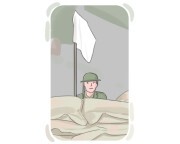
to surrender after negotiation or when facing overwhelming pressure
capitular, rendirse
La empresa capituló ante las demandas del sindicato para evitar una huelga.
something given, allowed, or surrendered in response to demands or as part of a compromise
admisión
the harshest or most intense part of something
choque
La infantería absorbió lo más duro del asalto enemigo.
