pattern

Kniha Four Corners 4 - Jednotka 9 Lekce D

Zde najdete slovní zásobu z Lekce D jednotky 9 v učebnici Four Corners 4, jako je "pařez", "diagnostikovat", "nevysvětlitelný" atd.

Revize

Kartičky

tvary

Pravopis

Kvíz

Začněte se učit
Four Corners 4
unexplained
unexplained
[Přídavné jméno]

lacking a clear reason or understanding and left without an explanation

nevysvětlený, bez vysvětlení

nevysvětlený, bez vysvětlení

Ex: The strange noises heard in the old house remained unexplained even after thorough investigation. 

Podivné zvuky slyšené ve starém domě zůstaly nevysvětlené i po důkladném vyšetřování.

ability
ability
[Podstatné jméno]

the fact that one is able or possesses the necessary skills or means to do something

schopnost,  dovednost

schopnost, dovednost

Ex: His ability to solve complex problems quickly impressed the team. 
detail
detail
[Podstatné jméno]

a small fact or piece of information

detail, podrobnost
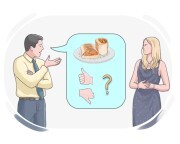
detail, podrobnost

Ex: The detective paid close attention to every detail of the crime scene to gather clues. 
whether
whether
[Spojka]

used to talk about a doubt or choice when facing two options

zda

zda

Ex: She asked whether he liked ice cream or cake better. 

Zeptala se, zda má raději zmrzlinu nebo dort.

researcher
researcher
[Podstatné jméno]

someone who studies a subject carefully and carries out academic or scientific research

výzkumník, vědec
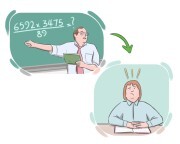
výzkumník, vědec

Ex: A researcher must be thorough and patient in their work. 
to stump
to stump
[sloveso]

to puzzle or challenge someone, typically by presenting a question or problem that is difficult to answer or solve

zmást, uvést do rozpaků

zmást, uvést do rozpaků

Ex: The unexpected question from the interviewer stumped the job candidate. 

Neočekávaná otázka tazatele zaskočila uchazeče o práci.
to identify
to identify
[sloveso]

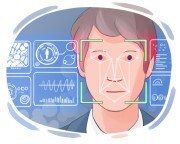
to be able to say who or what someone or something is

identifikovat,  rozpoznat
identifikovat, rozpoznat

Ex: The detective easily identifies the suspect from the security footage. 
medical
medical
[Přídavné jméno]

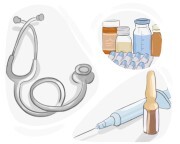
related to medicine, treating illnesses, and health

lékařský, zdravotní
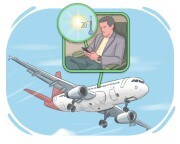
lékařský, zdravotní

Ex: She pursued a career in the medical field to help others improve their health. 
condition
condition
[Podstatné jméno]

the state of something at a particular time

stav, podmínka

stav, podmínka

Ex: He checked the condition of the tires before the long road trip. 
hyperthymesia
hyperthymesia
[Podstatné jméno]

a rare condition characterized by an extraordinary and involuntary ability to recall detailed personal memories from one's past

hyperthymézie, syndrom hyperthymézie

hyperthymézie, syndrom hyperthymézie

Ex: Researchers are still studying hyperthymesia to understand how such detailed memory retrieval is possible. 

Vědci stále studují hyperthymesii, aby pochopili, jak je možné tak podrobné vybavování paměti.
superior
superior
[Přídavné jméno]

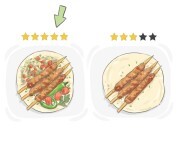
better than another person or thing in quality, value, ability, or performance

nadřazený, lepší

nadřazený, lepší

Ex: The newer treatment produced superior results in the study. 
handful
handful
[Podstatné jméno]

a very small number or quantity of people or things

hrstka,  hrst
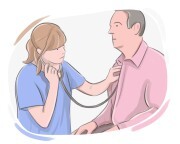
hrstka, hrst

Ex: The village has just a handful of shops. 
to diagnose
to diagnose
[sloveso]

to find out the cause of a problem or disease that a person has by examining the symptoms

diagnostikovat, určit příčinu

diagnostikovat, určit příčinu

Ex: Experts often diagnose conditions based on observable symptoms. 

Odborníci často diagnostikují stavy na základě pozorovatelných příznaků.
to occur
to occur
[sloveso]

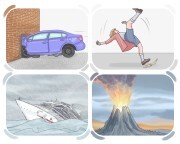
to come to be or take place, especially unexpectedly or naturally

nastat, odehrát se
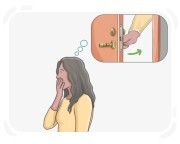
nastat, odehrát se

Ex: Accidents occur unexpectedly, so it's crucial to drive safely. 
to recall
to recall
[sloveso]

to bring back something from the memory

vzpomenout si, připomenout
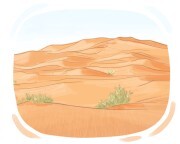
vzpomenout si, připomenout

Ex: She could recall the details of the conversation with remarkable clarity. 
desert
desert
[Podstatné jméno]

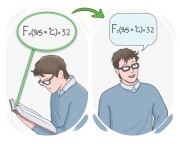
a large, dry area of land with very few plants, typically one covered with sand

poušť, sahara

poušť, sahara

Ex: At night, the desert can become very cold. 
diary
diary
[Podstatné jméno]

a book or journal in which a person regularly records experiences, events, thoughts, or feelings

deník,  zápisník
deník, zápisník

Ex: I started keeping a diary to record the important events in my life. 
to memorize
to memorize
[sloveso]

to repeat something until it is kept in one's memory

zapamatovat si, naučit se nazpaměť

zapamatovat si, naučit se nazpaměť

Ex: Musicians practice to memorize sheet music for a flawless performance. 

Hudebníci cvičí, aby zapamatovali noty pro bezchybný výkon.

stuff
stuff
[Podstatné jméno]

things that we cannot or do not need to name when we are talking about them

věci, krámy
věci, krámy

Ex: She packed all her stuff into boxes before moving to her new apartment. 
distance
distance
[Podstatné jméno]

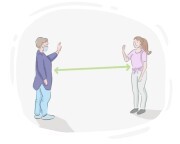
the length of the space that is between two places or points

vzdálenost

vzdálenost

Ex: The distance between New York City and Los Angeles is over 2,700 miles. 
perspective
perspective
[Podstatné jméno]

a specific manner of considering something

úhel pohledu, perspektiva
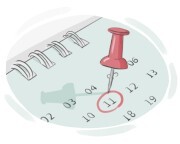
úhel pohledu, perspektiva

Ex: From a historical perspective, the Renaissance marked a period of great cultural advancement. 
to remind
to remind
[sloveso]

to make a person remember an obligation, task, etc. so that they do not forget to do it

připomínat, upozornit
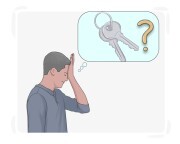
připomínat, upozornit

Ex: The manager regularly reminds employees of upcoming deadlines. 
to forget
to forget
[sloveso]

to not be able to remember something or someone from the past

zapomenout, nepamatovat si

zapomenout, nepamatovat si

Ex: It's easy to forget passwords, so it's essential to use a secure system. 
to remember
to remember
[sloveso]

to bring a type of information from the past to our mind again

pamatovat si, vzpomenout si

pamatovat si, vzpomenout si

Ex: Can you remember the name of the book we were talking about? 
LanGeek
Stáhnout aplikaci LanGeek
