pattern

Four Corners 4 - Unit 9 Lesson D

Here you will find the vocabulary from Unit 9 Lesson D in the Four Corners 4 coursebook, such as "stump", "diagnose", "unexplained", etc.

Review

Flashcards

Forms

Spelling

Quiz

Start learning
Four Corners 4
unexplained
unexplained
[Adjective]

lacking a clear reason or understanding and left without an explanation

Ex: The sudden disappearance of the ship remains unexplained to this day. 
Close
Sign in
ability
ability
[noun]

the fact that one is able or possesses the necessary skills or means to do something

Ex: His ability to solve complex problems quickly impressed the team. 
Close
Sign in
detail
detail
[noun]

a small fact or piece of information

Ex: The detective paid close attention to every detail of the crime scene to gather clues. 
Close
Sign in
whether
whether
[conjunction]

used to talk about a doubt or choice when facing two options

Ex: He's trying to figure out whether he should study abroad or stay in his home country. 
Close
Sign in
researcher

someone who studies a subject carefully and carries out academic or scientific research
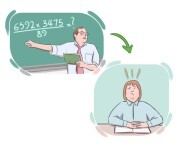
Ex: A researcher must be thorough and patient in their work. 
Close
Sign in
to stump
to stump
[Verb]

to puzzle or challenge someone, typically by presenting a question or problem that is difficult to answer or solve
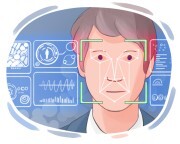
Ex: The tricky riddle stumped the participants at the puzzle competition. 
Close
Sign in
to identify

to be able to say who or what someone or something is
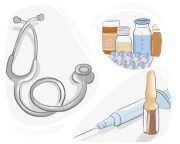
Ex: The detective easily identifies the suspect from the security footage. 
Close
Sign in
medical
medical
[Adjective]

related to medicine, treating illnesses, and health
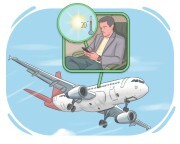
Ex: She pursued a career in the medical field to help others improve their health. 
Close
Sign in
condition
condition
[noun]

the state of something at a particular time

Ex: He checked the condition of the tires before the long road trip. 
Close
Sign in
hyperthymesia

a rare condition characterized by an extraordinary and involuntary ability to recall detailed personal memories from one's past
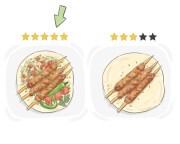
Ex: People with hyperthymesia can remember every detail of their lives, including specific dates and events. 
Close
Sign in
superior
superior
[Adjective]

surpassing others in terms of overall goodness or excellence

Ex: The superior craftsmanship of the handmade furniture set it apart from mass-produced alternatives. 
Close
Sign in
handful
handful
[noun]

a small number of people or things

Ex: A handful of guests stayed late to help clean up after the party. 
Close
Sign in
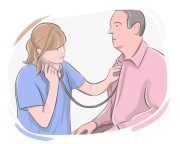
to diagnose

to find out the cause of a problem or disease that a person has by examining the symptoms
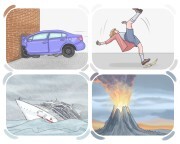
Ex: Doctors use various tests to diagnose medical conditions accurately. 
Close
Sign in
to occur
to occur
[Verb]

to come to be or take place, especially unexpectedly or naturally
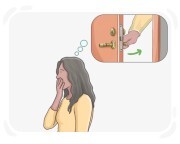
Ex: Accidents occur unexpectedly, so it's crucial to drive safely. 
Close
Sign in
to recall
to recall
[Verb]

to bring back something from the memory
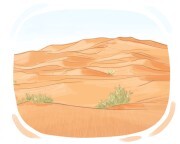
Ex: She could recall the details of the conversation with remarkable clarity. 
Close
Sign in
desert
desert
[noun]

a large, dry area of land with very few plants, typically one covered with sand
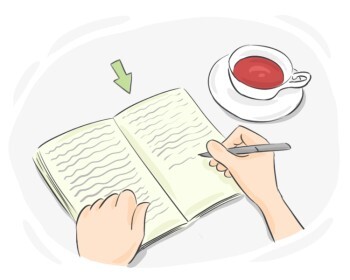
Ex: At night, the desert can become very cold. 
Close
Sign in
diary
diary
[noun]

a book or journal in which one records personal experiences, thoughts, or feelings on a regular basis, usually on a daily basis
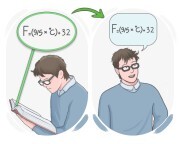
Ex: She kept a diary throughout her travels, documenting her experiences and the people she met along the way. 
Close
Sign in
to memorize

to repeat something until it is kept in one's memory
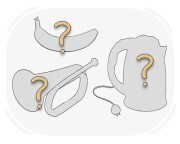
Ex: Students often memorize multiplication tables to enhance their math skills. 
Close
Sign in
stuff
stuff
[noun]

things that we cannot or do not need to name when we are talking about them
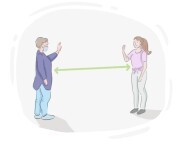
Ex: She packed all her stuff into boxes before moving to her new apartment. 
Close
Sign in
distance
distance
[noun]

the length of the space that is between two places or points

Ex: The distance between New York City and Los Angeles is over 2,700 miles. 
Close
Sign in
perspective

a specific manner of considering something
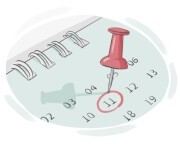
Ex: From a historical perspective, the Renaissance marked a period of great cultural advancement. 
Close
Sign in
to remind
to remind
[Verb]

to make a person remember an obligation, task, etc. so that they do not forget to do it
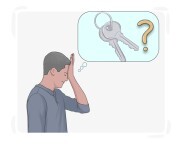
Ex: The manager regularly reminds employees of upcoming deadlines. 
Close
Sign in
to forget
to forget
[Verb]

to not be able to remember something or someone from the past

Ex: It's easy to forget passwords, so it's essential to use a secure system. 
Close
Sign in
to remember

to bring a type of information from the past to our mind again

Ex: Can you remember the name of the book we were talking about? 
Close
Sign in
LanGeek
Download LanGeek app