pattern

Cartea Four Corners 4 - Unitatea 9 Lecția D

Aici veți găsi vocabularul din Unitatea 9 Lecția D din manualul Four Corners 4, cum ar fi "ciot", "diagnostica", "neexplicat" etc.

Revizuire

Fișe de studiu

forme

Ortografie

Chestionar
Începe să înveți
Four Corners 4
unexplained
unexplained
[adjectiv]

lacking a clear reason or understanding and left without an explanation

neexplicat, fără explicație

neexplicat, fără explicație

Ex: The sudden disappearance of the ship remains unexplained to this day. 

Dispariția bruscă a navei rămâne neexplicată până în prezent.

Închide
Conectare
ability
ability
[substantiv]

the fact that one is able or possesses the necessary skills or means to do something

abilitate,  competență

abilitate, competență

Ex: She demonstrated her ability to speak three languages fluently. 
Închide
Conectare
detail
detail
[substantiv]

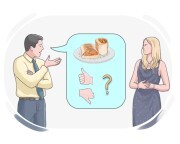
a small fact or piece of information

detaliu, particularitate
detaliu, particularitate

Ex: The report was thorough and included every detail of the project's timeline and budget. 
Închide
Conectare
whether
whether
[Conjuncție]

used to talk about a doubt or choice when facing two options

dacă

dacă

Ex: He's trying to figure out whether he should study abroad or stay in his home country. 

El încearcă să-și dea seama dacă ar trebui să studieze în străinătate sau să rămână în țara sa.

Închide
Conectare
researcher
researcher
[substantiv]

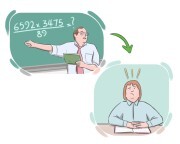
someone who studies a subject carefully and carries out academic or scientific research

cercetător, om de știință
cercetător, om de știință

Ex: Every detail is important for a researcher studying microorganisms. 
Închide
Conectare
to stump
to stump
[verb]

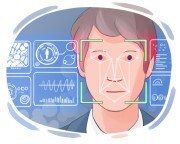
to puzzle or challenge someone, typically by presenting a question or problem that is difficult to answer or solve

lăsa perplex, zăpăci

lăsa perplex, zăpăci

Ex: The tricky riddle stumped the participants at the puzzle competition. 

Ghicitoarea complicată i-a nedumerit pe participanții la concursul de puzzle.
Închide
Conectare
to identify

to be able to say who or what someone or something is

identifica,  recunoaște
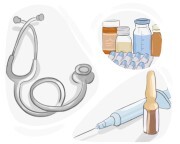
identifica, recunoaște

Ex: The officer asked me to identify my belongings at the lost-and-found desk. 
Închide
Conectare
medical
medical
[adjectiv]

related to medicine, treating illnesses, and health

medical, sanitar
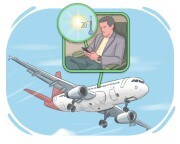
medical, sanitar

Ex: The hospital implemented new medical procedures to enhance patient care. 
Închide
Conectare
condition
condition
[substantiv]

the state of something at a particular time

stare, condiție

stare, condiție

Ex: She was impressed by the good condition of the second-hand furniture. 
Închide
Conectare
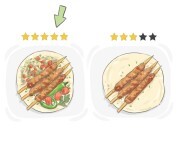
hyperthymesia
hyperthymesia
[substantiv]

a rare condition characterized by an extraordinary and involuntary ability to recall detailed personal memories from one's past

hipertimezie, sindromul hipertimeziei

hipertimezie, sindromul hipertimeziei

Ex: People with hyperthymesia can remember every detail of their lives, including specific dates and events. 

Persoanele cu hipertimezie își pot aminti fiecare detaliu al vieții lor, inclusiv date și evenimente specifice.
Închide
Conectare
superior
superior
[adjectiv]

better than another person or thing in quality, value, ability, or performance

superior, mai bun

superior, mai bun

Ex: This model is superior to the cheaper version in both speed and reliability. 
Închide
Conectare
handful
handful
[substantiv]

a very small number or quantity of people or things

pumn,  număr mic
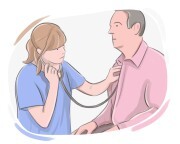
pumn, număr mic

Ex: Only a handful of students attended the extra class. 
Închide
Conectare
to diagnose

to find out the cause of a problem or disease that a person has by examining the symptoms

diagnostica, stabili cauza

diagnostica, stabili cauza

Ex: Doctors use various tests to diagnose medical conditions accurately. 

Medicii folosesc diverse teste pentru a diagnostica cu precizie afecțiunile medicale.
Închide
Conectare
to occur
to occur
[verb]

to come to be or take place, especially unexpectedly or naturally

se întâmpla, avea loc
se întâmpla, avea loc

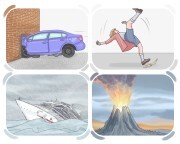
Ex: Natural disasters, such as earthquakes, frequently occur in seismic regions. 
Închide
Conectare
to recall
to recall
[verb]

to bring back something from the memory

a-și aminti, a reaminti
a-și aminti, a reaminti

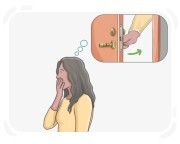
Ex: The professor encouraged students to recall key concepts during the exam. 
Închide
Conectare
desert
desert
[substantiv]

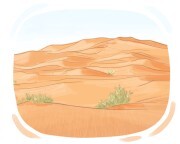
a large, dry area of land with very few plants, typically one covered with sand

deșert, sahara
deșert, sahara

Ex: Camels are well-adapted to survive in the desert. 
Închide
Conectare
diary
diary
[substantiv]

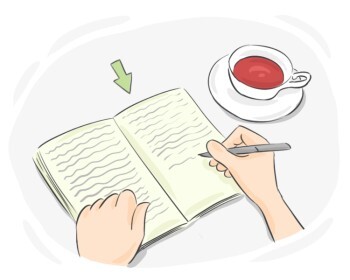
a book or journal in which a person regularly records experiences, events, thoughts, or feelings
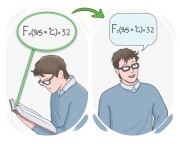
Ex: Emma writes in her diary every night before bed. 
Închide
Conectare
to memorize

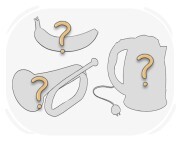
to repeat something until it is kept in one's memory

memora, învăța pe de rost

memora, învăța pe de rost

Ex: Students often memorize multiplication tables to enhance their math skills. 

Elevii memorează adesea tabelele de înmulțire pentru a-și îmbunătăți abilitățile matematice.
Închide
Conectare
stuff
stuff
[substantiv]

things that we cannot or do not need to name when we are talking about them

lucruri, chestii
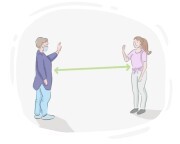
lucruri, chestii

Ex: He keeps a lot of random stuff in his garage that he rarely uses. 
Închide
Conectare
distance
distance
[substantiv]

the length of the space that is between two places or points

distanță

distanță

Ex: She measured the distance from her house to the nearest grocery store. 
Închide
Conectare
perspective
perspective
[substantiv]

a specific manner of considering something

punct de vedere, perspectivă
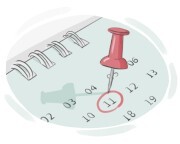
punct de vedere, perspectivă

Ex: She offered a unique perspective on the issue, based on her personal experiences. 
Închide
Conectare
to remind
to remind
[verb]

to make a person remember an obligation, task, etc. so that they do not forget to do it

reaminti, face să-și amintească
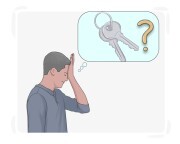
reaminti, face să-și amintească

Ex: Parents often remind their children to complete their homework. 
Închide
Conectare
to forget
to forget
[verb]

to not be able to remember something or someone from the past

a uita, a nu-și aminti

a uita, a nu-și aminti

Ex: Try not to forget the main points of your presentation. 
Închide
Conectare
to remember

to bring a type of information from the past to our mind again

a-și aminti, a-și reaminti

a-și aminti, a-și reaminti

Ex: I remember the day we first met; it was a sunny afternoon. 
Închide
Conectare
LanGeek
Descarcă aplicația LanGeek
