
Kniha Interchange - Středně pokročilý - Jednotka 15
Zde najdete slovní zásobu z jednotky 15 v učebnici Interchange Intermediate, jako "popírat", "necítlivý", "školné", atd.
Revize
Kartičky
tvary
Pravopis
Kvíz


telling the truth and having no intention of cheating or stealing

poctivý
I v obtížných situacích zůstala čestná a transparentní, odmítla kompromitovat své principy.
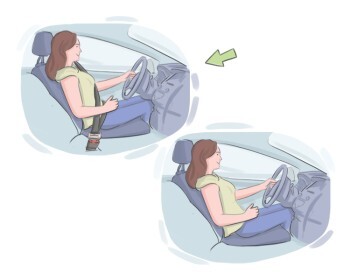
the state of being protected or having protection against any types of danger
bezpečnost
Nový alarmní systém výrazně zlepšil bezpečnost jejich domova.

the state of being helpful or useful for a specific situation
pohodlí, užitečnost
Pro vaše pohodlí obchod nabízí samoobslužné pokladny.
a person, entity, or organization that possesses, controls, or has legal rights to something
vlastník, majitel
Vlastník softwaru je odpovědný za údržbu a aktualizaci aplikace.

a table with a narrow horizontal surface over which goods are put or people are served
pult, přepážka
Opřel se o pult, zatímco čekal na svou kávu.
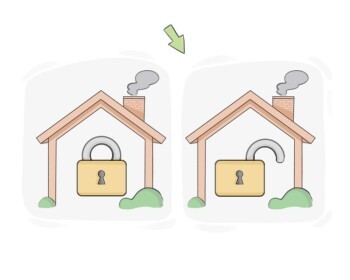
to use a key, code, or other method to open a lock or seal, allowing access to something that was secured
odemknout, otevřít
Odemkl truhlu, aby si vzal své věci.
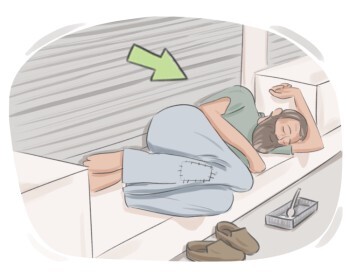
people who lack stable housing and so live on the streets
bezdomovci, osoby bez přístřeší
Mluvil o výzvách, kterým čelí bezdomovci.

a series of organized activities that are intended to achieve a particular goal
kampaň
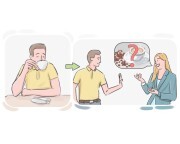
before the present or specified time
už, dříve
Už tu knihu již dvakrát přečetl.
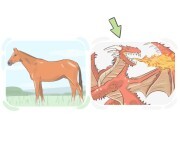
not real and existing only in the mind rather than in physical reality
imaginární, nereálný
Konspirační teorie byla postavena na imaginárních spojeních a spekulacích, bez jakéhokoli faktického základu.

used to say that something happening, existing, etc. depends on another thing happening, existing, etc.
pokud
Můžeme jít do parku, pokud je hezké počasí.
used to indicate a habitual tendency, preference, or desire
mívala zvyk, měla ráda
Ona by vždy četla před spaním.
used to express a possibility
mohl by, možná
Mohlo by dnes večer později pršet.

located across from a particular thing, typically separated by an intervening space
protilehlý, naproti
Čekali jsme na protilehlém nástupišti na další vlak.
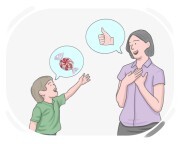
to say yes to what is asked of you or offered to you
přijmout, souhlasit
Přijal odpovědnost za péči o psa.

to say or show one's unwillingness to do something that someone has asked
odmítnout, odříci
Musel odmítnout pozvání kvůli předchozímu závazku.
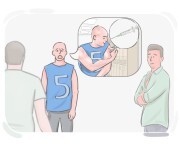
to agree with the truth of something, particularly in an unwilling manner
přiznat, uznat
Zaměstnanec přiznal porušení firemních politik.
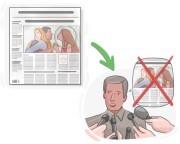
to refuse to admit the truth or existence of something
popírat, odmítat
Musela popřít jakoukoli účast na incidentu, aby ochránila svou pověst.

to hold the same opinion as another person about something
souhlasit, shodovat se

to hold or give a different opinion about something
nesouhlasit, mít jiný názor
Nesouhlasil s rozhodnutím, ale rozhodl se zůstat potichu.

to take pleasure or find happiness in something or someone
užívat si, mít rád
Ona si užívá poslech klasické hudby při práci.

to not like a person or thing
nemít rád, nelíbit se
Velmi nemáme rádi hrubé lidi; jsou neuctiví.

to become someone's husband or wife
oženit se, vdát se
Plánují se oženit příští léto na obřadu na pláži.

to legally end a marriage
rozvést se, rozvázat manželství
Pár veřejně známých osob se rozvedl po dlouhém soudním sporu.

to search and discover something or someone that we have lost or do not know the location of
najít, objevit
Našel jsi dálkový ovladač k televizi?
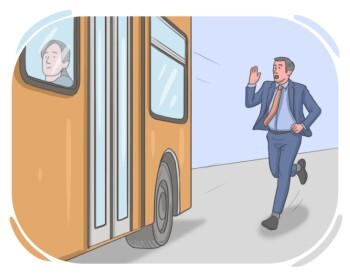
to be deprived of or stop having someone or something
ztratit, přijít o
V důsledku hlasité exploze přišla o sluch.
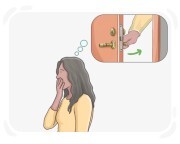
to bring a type of information from the past to our mind again
pamatovat si, vzpomenout si
Můžeš si vzpomenout na název knihy, o které jsme mluvili?
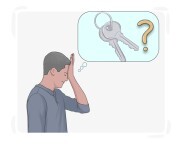
to not be able to remember something or someone from the past
zapomenout, nepamatovat si
Nikdy nezapomene na laskavost, kterou jste mu prokázali.
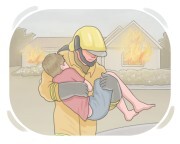
to keep someone or something safe and away from harm, death, etc.
zachránit, chránit
Objev vědce může v budoucnu zachránit nespočet životů.
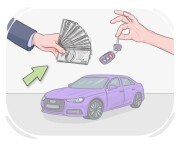
to use money as a payment for services, goods, etc.
utrácet, vydávat
Během svátků utratila hodně za dárky pro svou rodinu.
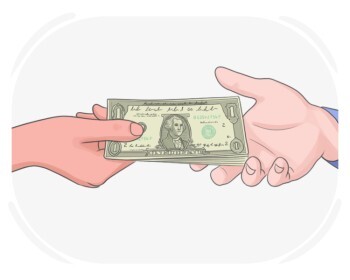
to give someone something, like money, expecting them to give it back after a while
půjčit, vypůjčit
Souhlasila, že svému příteli půjčí nějaké peníze do příští výplaty.
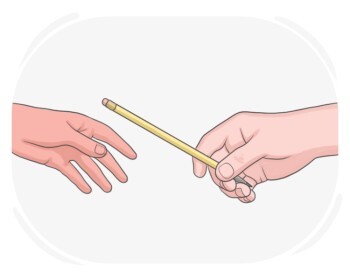
to use or take something belonging to someone else, with the idea of returning it
půjčit si, vypůjčit si
Místo nákupu sekačky na trávu se rozhodl si jednu na víkend půjčit od souseda.

an act or opinion that is wrong
chyba, omyl
Kultura, která podporuje podstupování rizik a učení se z chyb, podporuje inovace a kreativitu.
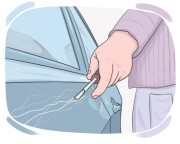
to make small cuts or marks on a surface
škrábat, poškrábat
Dávejte pozor, abyste nepoškrábali sklo při čištění hrubým hadříkem.
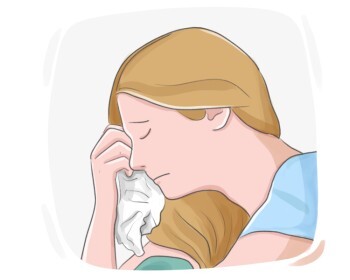
feeling disturbed or distressed due to a negative event
rozrušený, rozčilený
Rozrušená kritikou se rozhodla vzít si pauzu od sociálních sítí.
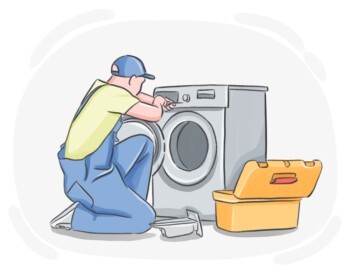
to fix something that is damaged, broken, or not working properly
opravit, spravit
Dílna může opravit poškozený nábytek.
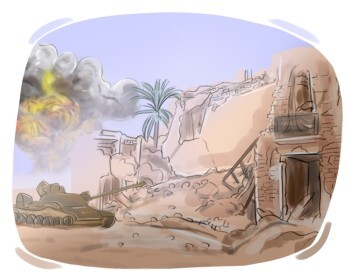
to physically harm something
poškodit, poškozovat
Stavební práce byly přerušeny, aby se zabránilo náhodnému poškození podzemních potrubí.
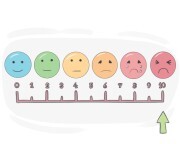
extremely bad or unpleasant
strašný, hrozný
Cítil se hrozně, že zapomněl narozeniny svého přítele, a chtěl to napravit.
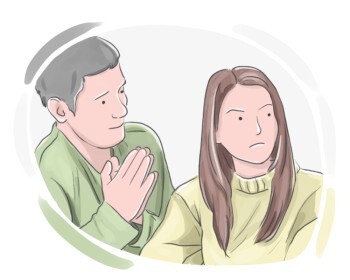
to tell a person that one is sorry for having done something wrong
omlouvat se, žádat o odpuštění
Po neshodě vzala iniciativu, aby se omluvila a napravila vztah.

a cream that is applied to the skin to protect it from the harmful rays of the sun
opalovací krém, ochrana proti slunci
Je důležité znovu aplikovat opalovací krém každé dvě hodiny, když jste venku.

a suggestion or an opinion that is given with regard to making the best decision in a specific situation
rada, doporučení
Oceňuji vaši radu, jak sebevědomě přistupovat k pohovoru.

an amount of money that one pays to receive an education, particularly in a university or college
školné, výuka poplatek

to say that a person or group has done something wrong
obviňovat, obvinit
Protestující obvinili vládu z ignorování jejich požadavků.

always putting one's interests first and not caring about the needs or rights of others
sobecký, egoistický
Sobecký politik upřednostnil svůj vlastní program před potřebami svých voličů.
feeling or displaying no compassion
nesympatický, bez soucitu
Je těžké pracovat s někým, kdo je tak nesoucitný.

not caring about other people's feelings
necítlivý, lhostejný
Její necítlivé činy vůči příteli napjaly jejich vztah.

thin in an attractive way
štíhlý, hubený
Štíhlá modelka sebevědomě kráčela po molu.

a set of food that is eaten to keep healthy, thin, etc.
dieta, strava
Středomořská strava je známá svými přínosy pro zdraví srdce.
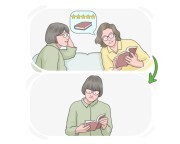
to suggest to someone that something is good, convenient, etc.
doporučit, radit
Hudební streamovací služba doporučila personalizovaný seznam skladeb obsahující umělce a žánry, které mám rád.
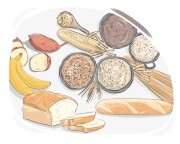
a substance that consists of hydrogen, oxygen, and carbon that provide heat and energy for the body, found in foods such as bread, pasta, fruits, etc.
sacharid, uhlovodan
Sacharidy jsou nezbytné pro funkci mozku a celkovou hladinu energie během dne.

(of rules and regulations) absolute and must be obeyed under any circumstances
přísný, striktní
Knihovna má přísnou politiku proti zpožděným knihám, ukládá pokuty za pozdní vrácení.
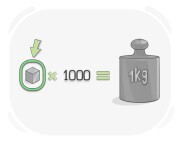
a unit of measuring weight equal to one thousandth of a kilogram
gram, jednotka měření hmotnosti rovna jedné tisícině kilogramu
Odměřila 75 gramů mouky na dort.
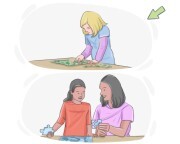
able to do things as one wants without needing help from others
nezávislý
Nezávislý myslitel zpochybňuje konvenční moudrost a kuje si vlastní cestu životem.

the largest and most important church of a specific area, which is controlled by a bishop
katedrála, katedrála
Během sváteční sezóny je katedrála krásně ozdobena světly a slavnostními ozdobami.

the certificate that is given to university or college students upon successful completion of their course
titul
Po letech tvrdé práce a oddanosti konečně získala bakalářský titul v oboru biologie.
possibility refers to the state or condition of being able to happen or exist, or a potential likelihood of something happening or being true
možnost

someone whose job is to serve meals to customers in a restaurant
číšník, servírka
Dali jsme číšníkovi po večeři dobré spropitné.
| Kniha Interchange - Středně pokročilý | |||
|---|---|---|---|
| Jednotka 10 - Část 2 | Jednotka 11 - Část 1 | Jednotka 11 - Část 2 | Jednotka 12 |
| Jednotka 13 - Část 1 | Jednotka 13 - Část 2 | Jednotka 14 - Část 1 | Jednotka 14 - Část 2 |
| Jednotka 15 | Jednotka 16 - Část 1 | Jednotka 16 - Část 2 | |
