pattern

Książka Interchange - Średnio zaawansowany - Jednostka 15

Tutaj znajdziesz słownictwo z Unitu 15 w podręczniku Interchange Intermediate, takie jak "zaprzeczać", "niewrażliwy", "czesne", itp.

Przegląd

Fiszki

formy

Pisownia

Test
Zacznij naukę
Interchange - Intermediate
honest
honest
[przymiotnik]

telling the truth and having no intention of cheating or stealing

uczciwy

uczciwy

Ex: The honest witness testified in court, providing crucial evidence for the case. 

Uczciwy świadek zeznał w sądzie, dostarczając kluczowych dowodów w sprawie.
security
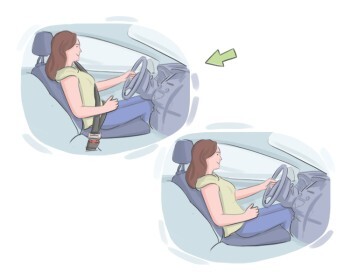
security
[Rzeczownik]

the state of being protected or having protection against any types of danger

bezpieczeństwo

bezpieczeństwo

Ex: The new alarm system improved the security of their home significantly. 
convenience
convenience
[Rzeczownik]

the state of being helpful or useful for a specific situation

wygoda, użyteczność

wygoda, użyteczność

Ex: For the convenience of travelers, the train station offers lockers and waiting areas. 
owner
owner
[Rzeczownik]

a person, entity, or organization that possesses, controls, or has legal rights to something

właściciel, posiadacz

właściciel, posiadacz

Ex: The owner of the building decided to renovate the entire complex. 
counter
counter
[Rzeczownik]

a table with a narrow horizontal surface over which goods are put or people are served

lada, kontuar
lada, kontuar

Ex: The cashier stood behind the counter. 
to unlock
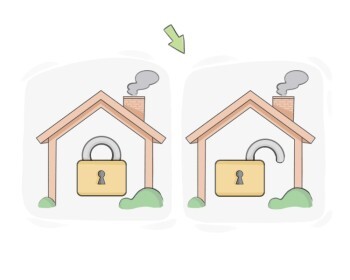
to unlock
[Czasownik]

to use a key, code, or other method to open a lock or seal, allowing access to something that was secured

odblokować, otworzyć

odblokować, otworzyć

Ex: The team is unlocking the storage room to retrieve supplies. 

Zespół odblokowuje magazyn, aby pobrać zapasy.
homeless
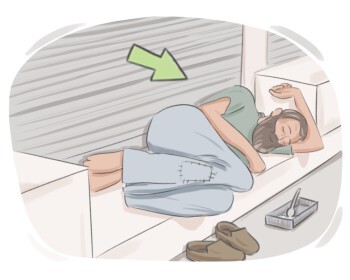
homeless
[Rzeczownik]

people who lack stable housing and so live on the streets

bezdomni, osoby bez dachu nad głową

bezdomni, osoby bez dachu nad głową

Ex: She was moved by the experiences of the homeless she met during her work. 
campaign
campaign
[Rzeczownik]

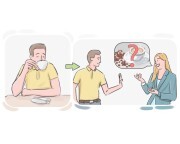
a series of organized activities that are intended to achieve a particular goal

kampania
kampania

Ex: The presidential campaign included rallies, debates, and advertising across the country. 
already
already
[przysłówek]

before the present or specified time

już, wcześniej

już, wcześniej

Ex: She has already packed her bags for the trip. 

Ona już spakowała swoje torby na podróż.
imaginary
imaginary
[przymiotnik]

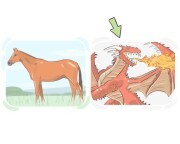
not real and existing only in the mind rather than in physical reality

wyimaginowany, nierealny

wyimaginowany, nierealny

Ex: The fairy tale depicted a kingdom filled with imaginary creatures like dragons and talking animals. 

Bajka przedstawiała królestwo wypełnione wyimaginowanymi stworzeniami, takimi jak smoki i mówiące zwierzęta.
if
if
[Spójnik]

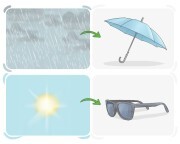
used to say that something happening, existing, etc. depends on another thing happening, existing, etc.

jeśli

jeśli

Ex: We can go for a walk if you want to. 

Możemy iść na spacer, jeśli chcesz.

would
would
[Czasownik]

used to indicate a habitual tendency, preference, or desire

miała zwyczaj, lubiła

miała zwyczaj, lubiła

Ex: She would always read before bed. 
could
could
[Czasownik]

used to show the possibility of something happening or being the case

mógłby, mógł

mógłby, mógł

might
might
[Czasownik]

used to express a possibility

mógłby, może

mógłby, może

Ex: It might rain later this evening. 
opposite
opposite
[przymiotnik]

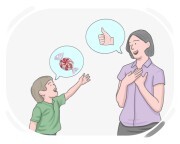
located across from a particular thing, typically separated by an intervening space

przeciwny, naprzeciwko
przeciwny, naprzeciwko

Ex: The library is on the opposite side of the street. 
to accept
to accept
[Czasownik]

to say yes to what is asked of you or offered to you

akceptować, przyjmować

akceptować, przyjmować

Ex: He accepted the responsibility of caring for the dog. 
to refuse
to refuse
[Czasownik]

to say or show one's unwillingness to do something that someone has asked

odmawiać, odrzucać
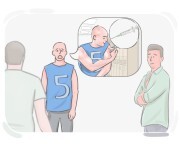
odmawiać, odrzucać

Ex: The student had to refuse the invitation to join the extracurricular club due to time constraints. 
to admit
to admit
[Czasownik]

to agree with the truth of something, particularly in an unwilling manner

przyznawać, uznawać
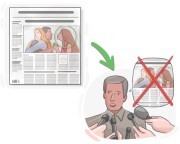
przyznawać, uznawać

Ex: She admits her mistakes openly during team meetings. 
to deny
to deny
[Czasownik]

to refuse to admit the truth or existence of something

zaprzeczać, odrzucać

zaprzeczać, odrzucać

Ex: The accused continued to deny any involvement in the theft, despite the evidence. 
to agree
to agree
[Czasownik]

to hold the same opinion as another person about something

zgadzać się, potwierdzać
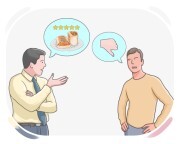
zgadzać się, potwierdzać

Ex: We both agree that this is the best restaurant in town. 
to disagree
to disagree
[Czasownik]

to have or express a different opinion from someone else

nie zgadzać się,  mieć inne zdanie
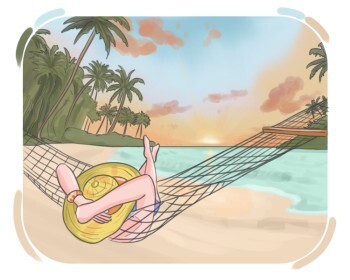
nie zgadzać się, mieć inne zdanie

Ex: Sarah and David often disagree about politics but remain close friends. 
to enjoy
to enjoy
[Czasownik]

to take pleasure or find happiness in something or someone

cieszyć się, lubić

cieszyć się, lubić

Ex: She enjoys listening to classical music while working. 
to dislike
to dislike
[Czasownik]

to not like someone or something

nie lubić, nie znosić

nie lubić, nie znosić

Ex: She dislikes people who are rude to restaurant staff. 
to marry
to marry
[Czasownik]

to become someone's husband or wife

ożenić się, wyjść za mąż

ożenić się, wyjść za mąż

Ex: She didn't expect to marry so soon, but she fell in love. 
to divorce
to divorce
[Czasownik]

to legally end a marriage with one's spouse

rozwieść się,  rozwieść

rozwieść się, rozwieść

Ex: Her parents divorced when she was twelve. 
to find
to find
[Czasownik]

to search and discover something or someone that we have lost or do not know the location of

znaleźć, odnaleźć
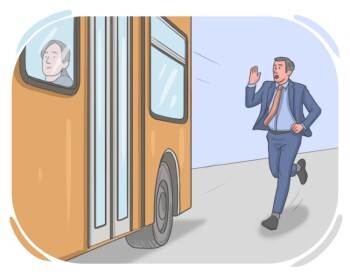
znaleźć, odnaleźć

Ex: Did you find the remote control for the television? 
to lose
to lose
[Czasownik]

to be deprived of or stop having someone or something

stracić, być pozbawionym
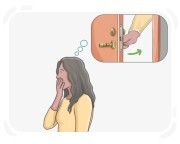
stracić, być pozbawionym

Ex: She lost her hearing as a result of the loud explosion. 
to remember
to remember
[Czasownik]

to bring a type of information from the past to our mind again

pamiętać, przypominać sobie
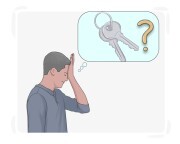
pamiętać, przypominać sobie

Ex: Can you remember the name of the book we were talking about? 
to forget
to forget
[Czasownik]

to not be able to remember something or someone from the past

zapominać, nie pamiętać
zapominać, nie pamiętać

Ex: It's easy to forget passwords, so it's essential to use a secure system. 
to save
to save
[Czasownik]

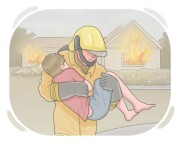
to keep someone or something safe and away from harm, death, etc.

ratować, chronić
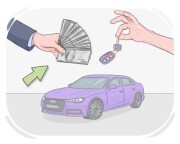
ratować, chronić

Ex: Lifeguards work tirelessly to save swimmers in distress. 
to spend
to spend
[Czasownik]

to use money as a payment for services, goods, etc.

wydawać, przeznaczać
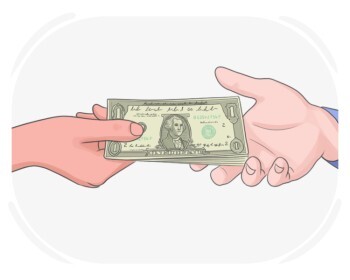
wydawać, przeznaczać

Ex: She spent a lot on gifts for her family during the holiday season. 
to lend
to lend
[Czasownik]

to give something to someone temporarily, expecting them to return it later
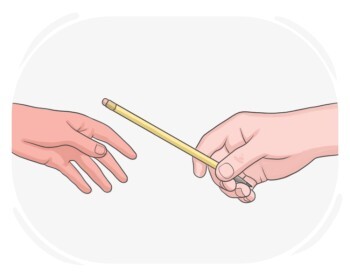
Ex: She lent me some money until payday. 
to borrow
to borrow
[Czasownik]

to use or take something belonging to someone else, with the idea of returning it

pożyczać, wypożyczać

pożyczać, wypożyczać

Ex: Can I borrow your umbrella?  It's raining outside, and I left mine at home. 
mistake
mistake
[Rzeczownik]

an act or opinion that is wrong

błąd, pomyłka
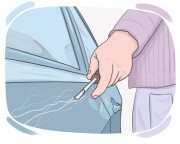
błąd, pomyłka

Ex: Recognizing and admitting your mistakes is the first step toward personal growth. 
to scratch
to scratch
[Czasownik]

to damage a surface or skin by making a thin, shallow cut or mark with something sharp or rough

drapać, zarysować
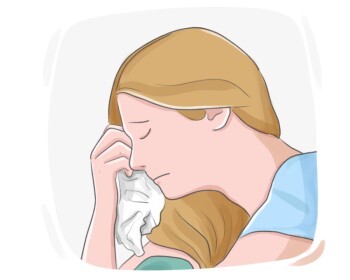
drapać, zarysować

Ex: The cat scratched Michael's hand when he tried to pick it up. 
upset
upset
[przymiotnik]

feeling disturbed or distressed due to a negative event

zdenerwowany, zaniepokojony
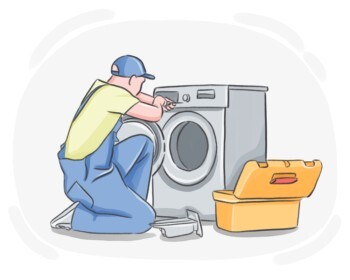
zdenerwowany, zaniepokojony

Ex: She was upset after hearing the bad news. 
to repair
to repair
[Czasownik]

to fix something that is damaged, broken, or not working properly

naprawiać, reperować
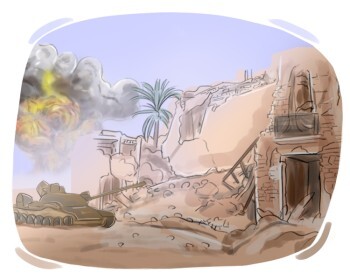
naprawiać, reperować

Ex: Can you help me repair this torn book page with tape? 
to damage
to damage
[Czasownik]

to physically harm something

uszkodzić, zniszczyć
uszkodzić, zniszczyć

Ex: The storm's strong winds and hailstones damaged the roof of the house. 
terrible
terrible
[przymiotnik]

extremely bad or unpleasant

straszny, okropny

straszny, okropny

Ex: The movie received terrible reviews from critics due to its poor plot and acting. 

Film otrzymał straszne recenzje od krytyków z powodu słabej fabuły i gry aktorskiej.
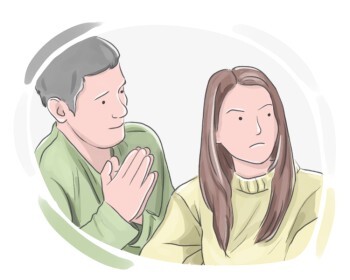
to apologize
to apologize
[Czasownik]

to tell a person that one is sorry for having done something wrong

przepraszać, prosić o wybaczenie

przepraszać, prosić o wybaczenie

Ex: Last week, he promptly apologized for the misunderstanding. 

W zeszłym tygodniu szybko przeprosił za nieporozumienie.

sunscreen
sunscreen
[Rzeczownik]

a cream that is applied to the skin to protect it from the harmful rays of the sun

krem przeciwsłoneczny, filtry przeciwsłoneczne

krem przeciwsłoneczny, filtry przeciwsłoneczne

Ex: Water-resistant sunscreen is ideal for swimming or outdoor activities. 

Wodoodporny krem przeciwsłoneczny jest idealny do pływania lub aktywności na świeżym powietrzu.
advice
advice
[Rzeczownik]

a suggestion or an opinion that is given with regard to making the best decision in a specific situation

rada, porada

rada, porada

Ex: The magazine column offers practical advice on maintaining a healthy lifestyle. 

Kolumna w czasopiśmie oferuje praktyczne rady na temat utrzymania zdrowego stylu życia.

tuition
tuition
[Rzeczownik]

an amount of money that one pays to receive an education, particularly in a university or college

czesne, opłata za naukę

czesne, opłata za naukę

to accuse
to accuse
[Czasownik]

to say that a person or group has done something wrong

oskarżać, obwiniać

oskarżać, obwiniać

Ex: He was falsely accused of cheating on the exam and faced serious consequences. 
selfish
selfish
[przymiotnik]

always putting one's interests first and not caring about the needs or rights of others

samolubny, egoistyczny

samolubny, egoistyczny

Ex: The selfish coworker always takes credit for other people's work. 

Samolubny współpracownik zawsze przypisuje sobie zasługi za pracę innych.

unsympathetic
unsympathetic
[przymiotnik]

feeling or displaying no compassion

niewspółczujący, bez współczucia

niewspółczujący, bez współczucia

Ex: He seemed unsympathetic to her pain, offering no support. 

Wydawał się niewspółczujący jej bólowi, nie oferując żadnego wsparcia.

insensitive
insensitive
[przymiotnik]

not caring about other people's feelings

niewrażliwy, nieczuły

niewrażliwy, nieczuły

Ex: The politician's insensitive remarks about poverty sparked widespread outrage. 

Niewrażliwe uwagi polityka na temat ubóstwa wywołały powszechne oburzenie.

slim
slim
[przymiotnik]

thin in an attractive and well-proportioned way

szczupły, smukły

szczupły, smukły

Ex: Michael had a slim, athletic build. 
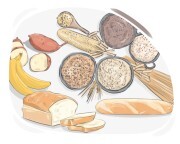
diet
diet
[Rzeczownik]

a set of food that is eaten to keep healthy, thin, etc.

dieta, odżywianie
dieta, odżywianie

Ex: A healthy diet and regular exercise can reduce the risk of many diseases. 
to recommend
to recommend
[Czasownik]

to suggest to someone that something is good, convenient, etc.

polecać, radzić
polecać, radzić

Ex: She regularly recommends this book to anyone interested in history. 
carbohydrate
carbohydrate
[Rzeczownik]

a substance that consists of hydrogen, oxygen, and carbon that provide heat and energy for the body, found in foods such as bread, pasta, fruits, etc.

węglowodan, karbohydrat

węglowodan, karbohydrat

Ex: The nutritionist recommended limiting refined carbohydrates like sugary snacks. 

Dietetyk zalecił ograniczenie rafinowanych węglowodanów, takich jak słodkie przekąski.

strict
strict
[przymiotnik]

(of a rule, law, or requirement) demanding complete obedience and allowing little or no flexibility

surowy,  rygorystyczny
surowy, rygorystyczny

Ex: The company follows strict safety standards. 
gram
gram
[Rzeczownik]

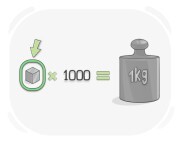
a unit of measuring weight equal to one thousandth of a kilogram

gram, jednostka miary wagi równa jednej tysięcznej kilograma

gram, jednostka miary wagi równa jednej tysięcznej kilograma

Ex: The postage for the letter is determined by its weight in grams. 

Koszt wysłania listu jest określany przez jego wagę w gramach.
independent
independent
[przymiotnik]

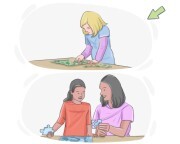
able to do things as one wants without needing help from others

niezależny

niezależny

Ex: She's an independent woman, capable of making her own decisions and taking care of herself. 
cathedral
cathedral
[Rzeczownik]

the largest and most important church of a specific area, which is controlled by a bishop

katedra, katedra

katedra, katedra

Ex: The cathedral's bell tower can be seen from miles away, making it a landmark in the city. 

Wieża dzwonnicza katedry jest widoczna z wielu mil, co czyni ją punktem orientacyjnym w mieście.

degree
degree
[Rzeczownik]

the certificate that is given to university or college students upon successful completion of their course

stopień

stopień

Ex: After years of hard work and dedication, she finally received her bachelor's degree in biology. 
possibility
possibility
[Rzeczownik]

a potential likelihood of something happening or being true

możliwość

możliwość

Ex: There is still a strong possibility that he will recover. 
server
server
[Rzeczownik]

a person whose job is to serve food and drinks to customers in a restaurant

kelner,  kelnerka

kelner, kelnerka

Ex: We left a generous tip for our friendly server. 
LanGeek
Pobierz aplikację LanGeek