
Kniha Insight - Středně pokročilý - Jednotka 8 - 8D
Zde najdete slovní zásobu z Jednotky 8 - 8D v učebnici Insight Intermediate, jako je "bojkot", "konflikt", "diskriminace" atd.
Revize
Kartičky
tvary
Pravopis
Kvíz


the unfair treatment of a person or group based on characteristics such as race, sex, age, or religion

diskriminace, nespravedlivé zacházení

a great effort to fight back or break free
boj, úsilí
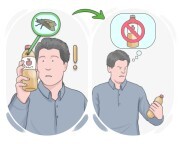
to refuse to buy, use, or participate in something as a way to show disapproval or to try to bring about a change
bojkotovat, zúčastnit se bojkotu
Škola bojkotovala zkoušku kvůli nespravedlivým klasifikačním politikám.

something that poses danger or the possibility of harm
hrozba, nebezpečí
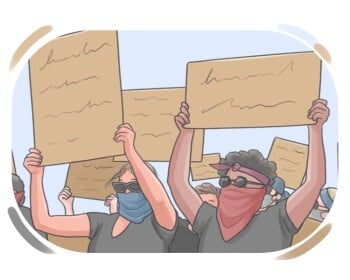
a display of support for or protest against something or someone by a march or public meeting
demonstrace
the act of troops walking with regular, disciplined steps, often over a distance or as part of maneuvers
pochod, přehlídka

a behavior or treatment that is unjust and unfair
nespravedlnost, křivda
Věnoval svůj život boji proti sociální nespravedlnosti a obhajobě práv utlačovaných.
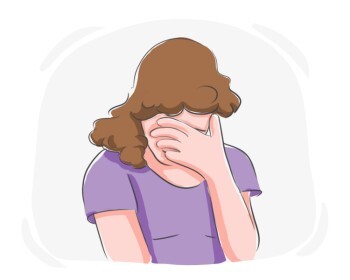
experiencing the feeling of embarrassment, shame, or disrespect because of being mistreated or ridiculed
ponížený, zahanbený
Student se cítil ponížený poté, co jeho chyba byla oznámena před třídou.
a social system or practice that keeps minority groups separate from the majority, often through separate facilities or services
segregace, apartheid
Segregace na pracovištích omezovala kariérní postup menšin.
a disagreement or argument over something important
konflikt, nesouhlas
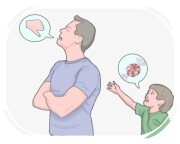
the act or an instance of refusing to do, accept, allow, or give something
odmítnutí, zamítnutí

something that is created or grown for sale
produkt, zboží
to show disagreement by taking action or expressing it verbally, particularly in public
protestovat, demonstrovat
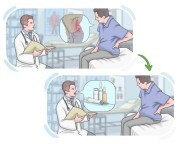
an action that is done to relieve pain or cure a disease, wound, etc.
léčba
a situation or treatment that is not just or impartial and that puts someone at a disadvantage
nespravedlnost
Uznal nespravedlnost pravidla a promluvil.
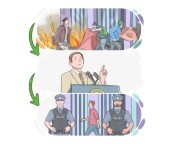
to increase the size, amount, intensity, speed, etc. of something
zvýšit, zesílit
Vláda se rozhodla zesílit bezpečnostní opatření v reakci na zvýšenou hrozbu.

to get rid of something that is no longer needed
vyhodit, zbavit se
Měli byste vyhodit svůj zubní kartáček každé tři měsíce.

to admit defeat and retreat from a position or claim when met with resistance or pressure
ustoupit, vzdát se
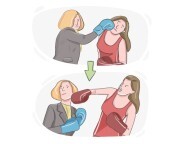
to resist or defend oneself against an attack or challenge, often by taking action to counter the aggression or difficulty
bránit se, odporovat
Oběti šikany jsou povzbuzovány, aby se postavily a bránily se proti svým trýznitelům.

to become less severe, intense, or harsh
postupně polevit, stát se méně silným nebo tvrdým
Učitel si všiml, že úzkost studentů slábla, jak získávali sebevědomí v předmětu.
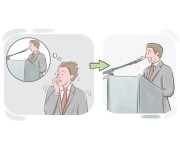
to confront and deal with a difficult or unpleasant situation directly and courageously
postavit se čelem k, přijmout nepříjemnou skutečnost a řešit ji
Jako zodpovědný vůdce je zásadní čelit výzvám a rozhodovat se pro zlepšení týmu.
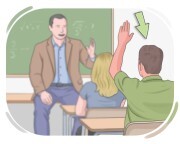
to take part or become involved in an activity, event, or situation

to participate in or become involved in a particular activity, conversation, etc.
zapojit se do něčeho, zapojit se do činnosti nebo rozhovoru
Sportovci se často zapojují do náročných tréninkových sezení, aby zlepšili svůj výkon.
