
Inglés de Cambridge: KET (A2 Key) - Tiempo y Secuencia
Aprende vocabulario KET para el tiempo y la secuencia, incluyendo días, fechas, duración, frecuencia, orden, antes, después, primero, siguiente y otras expresiones temporales básicas.
Revisión
Tarjetas de memoria
Ortografía
Cuestionario


referring to the day that occurred two days prior to today
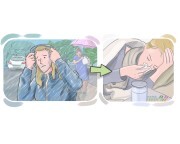
used to introduce a consequence or result of the preceding clause

así que
La carretera estaba bloqueada, así que tuvimos que tomar un desvío.
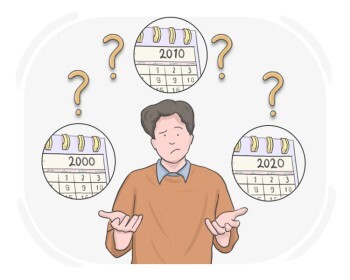
used when we want to ask at what time something happens
cuándo
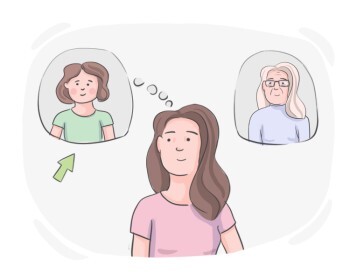
at a specific point or period in time previously mentioned
en aquel entonces, entonces
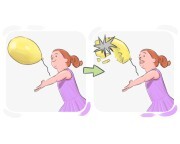
in a way that is quick and unexpected
de repente
Empezó a llover repentinamente mientras jugábamos al fútbol.

an unspecified or indeterminate time in the past, often used to introduce a past event or experience
un día, una vez
Ella se fue sin decir una palabra un día, y nunca la volví a ver.

in the time following a specific action, moment, or event
después, más tarde, luego
Después, la tormenta amainó, dejando atrás una tarde tranquila.
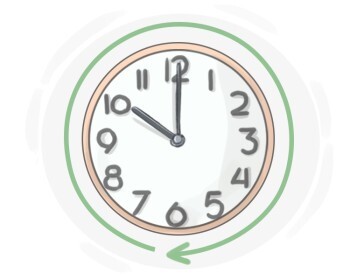
a period of time that is made up of twenty-four hours
día
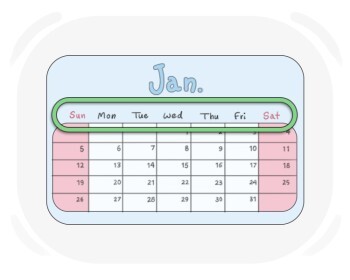
a period of time that is made up of seven days in a calendar
semana
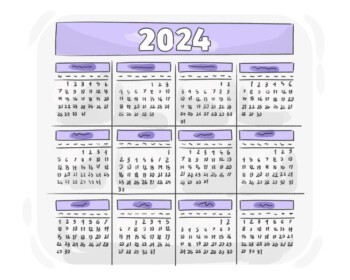
a period of time that is made up of twelve months, particularly one that starts on January first and ends on December thirty-first
año
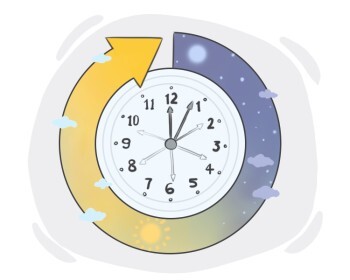
between midnight and noon
de la mañana
Mi clase de inglés comienza a las 8 a.m. los lunes.
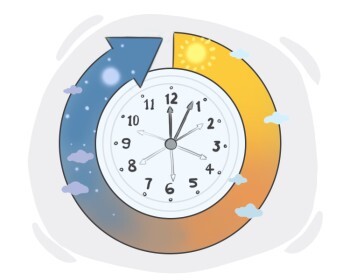
after noon and before midnight
de la tarde, de la noche
La conferencia invitada comienza a las 6 p.m. en el auditorio.
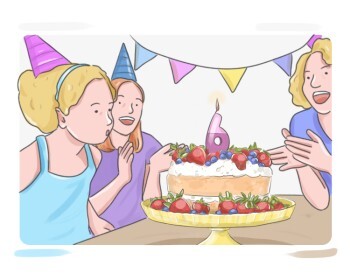
the day and month of your birth in every year
cumpleaños
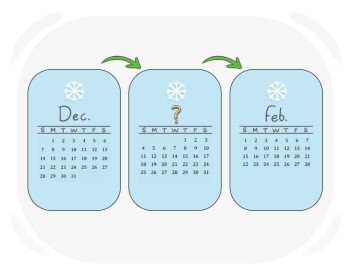
the first month of the year, after December and before February
enero
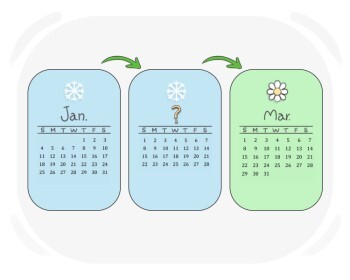
the second month of the year, after January and before March
febrero
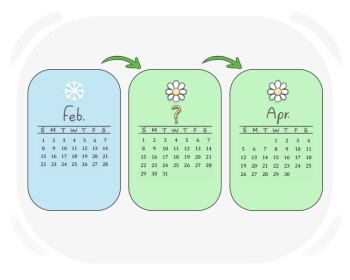
the third month of the year, after February and before April
marzo
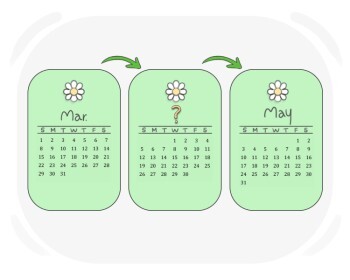
the fourth month of the year, after March and before May
abril
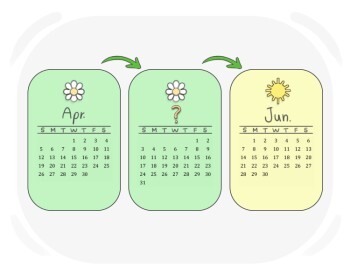
the fifth month of the year, after April and before June
mayo
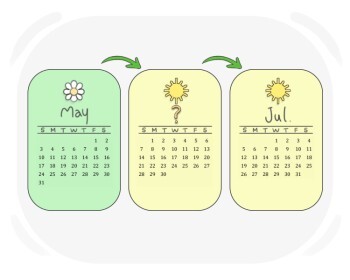
the sixth month of the year, after May and before July
junio
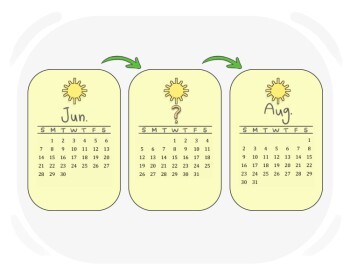
the seventh month of the year, after June and before August
julio
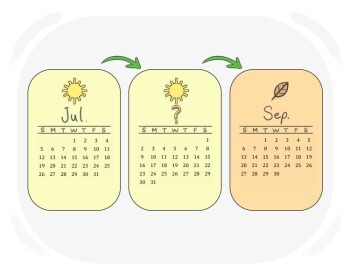
the eighth month of the year, after July and before September
agosto
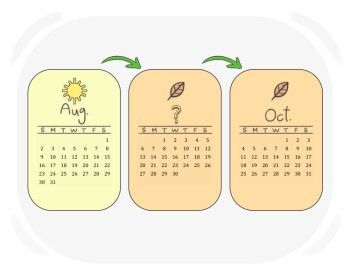
the ninth month of the year, after August and before October
septiembre
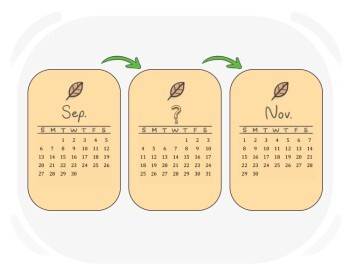
the tenth month of the year, after September and before November
octubre
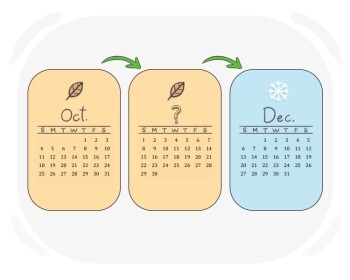
the 11th month of the year, after October and before December
noviembre
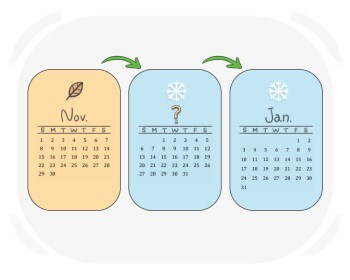
the 12th and last month of the year, after November and before January
diciembre
in a way that happens every day or once a day
diariamente, a diario
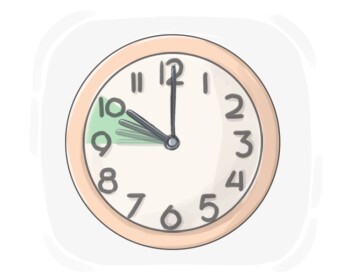
each of the twenty-four time periods that exist in a day and each time period is made up of sixty minutes
hora
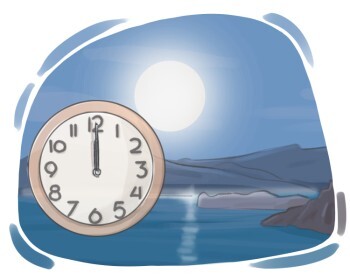
twelve o'clock at night
medianoche
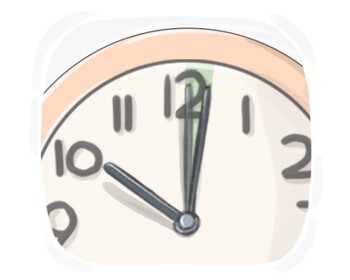
each of the sixty parts that creates one hour and is made up of sixty seconds
minuto

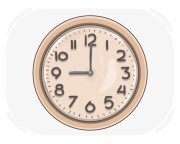
put after the numbers one to twelve to show or tell what time it is, only when it is at that exact hour
en punto
used to indicate that a particular time has already gone by
y
Pasaron unos días, y ella todavía no había recibido ninguna noticia.
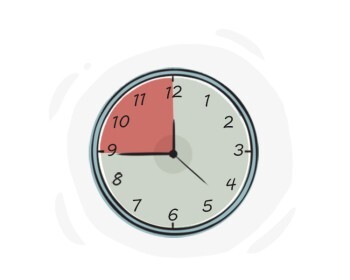
a measure of time that equals 15 minutes
cuarto
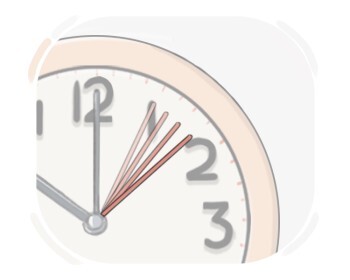
the standard SI unit of time, equal to one-sixtieth of a minute
segundo
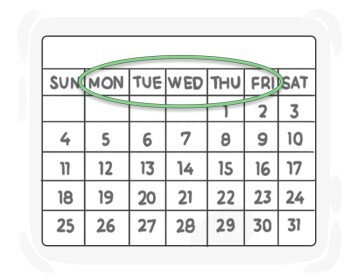
any day of the week other than Saturday and Sunday
día de semana
Se levanta temprano todos los días laborables para prepararse para el trabajo.
happening, appearing, or being done once a week or every week
semanal
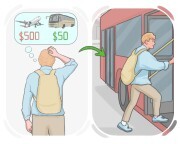
used for introducing the reason of something
porque

used to expresse purpose or intention, explaining the reason behind the main clause
para que, a fin de que
Salieron temprano para que no perdieran el tren.
used to introduce the reason of something happening
because of
Dejó su trabajo por culpa de su jefe.
