
Engleză Cambridge: KET (A2 Key) - Timp și Secvență
Învață vocabularul KET pentru timp și secvență, inclusiv zile, date, durată, frecvență, ordine, înainte, după, primul, următorul și alte expresii de timp de bază.
Revizuire
Fișe de studiu
Ortografie
Chestionar


referring to the day that occurred two days prior to today
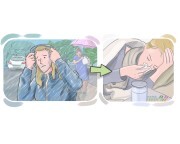
used to introduce a consequence or result of the preceding clause

așadar, deci
Încă era dureros, așa că m-am dus să văd un specialist.
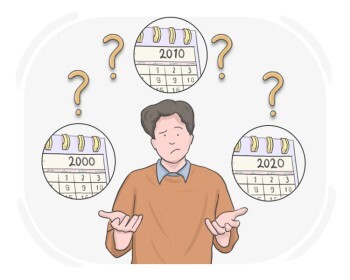
used when we want to ask at what time something happens
când, atunci când
Poți să mă anunți când ajunge pachetul?
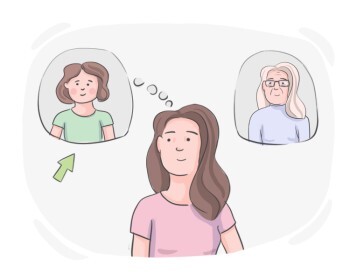
at a specific point or period in time previously mentioned
atunci, pe atunci
Viața era mai simplă atunci.
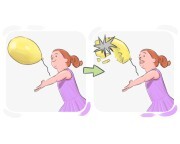
in a way that is quick and unexpected
brusc, pe neașteptate
Brusc, și-a amintit unde și-a lăsat cheile.

an unspecified or indeterminate time in the past, often used to introduce a past event or experience
într-o zi, odată
Într-o zi, am găsit o scrisoare de la vechiul meu prieten ascunsă într-un sertar.
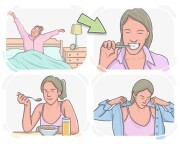
in the time following a specific action, moment, or event
după aceea, ulterior
Ea și-a terminat munca, și apoi, a ieșit la plimbare.
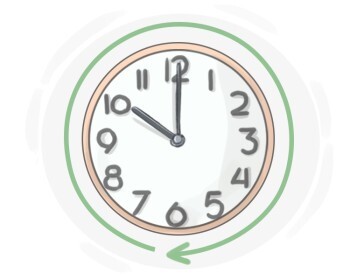
a period of time that is made up of twenty-four hours
zi
Fac o listă de lucruri de făcut în fiecare zi pentru a rămâne organizat.
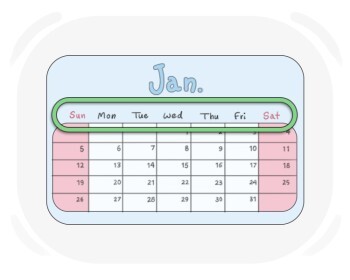
a period of time that is made up of seven days in a calendar
săptămână
Familia mea și eu așteptăm cu nerăbdare weekend-ul în fiecare săptămână.
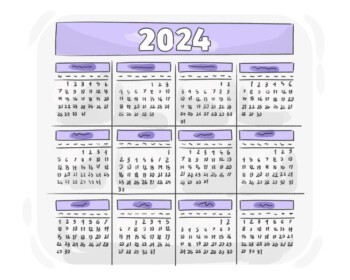
a period of time that is made up of twelve months, particularly one that starts on January first and ends on December thirty-first
an, ann
Ziua mea de naștere este în ianuarie, așa că încep anul cu o sărbătoare.
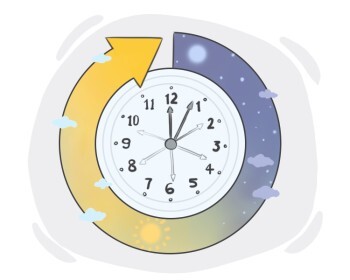
between midnight and noon
dimineață, înainte de amiază
Nu uita, zborul tău este la 6 dimineața mâine.
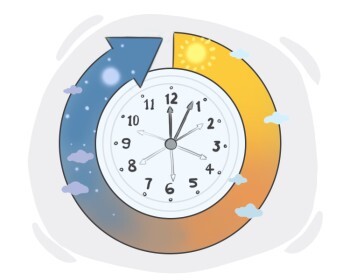
after noon and before midnight
după-amiază, seară
Te voi ridica la ora 14 pentru programarea la doctor.
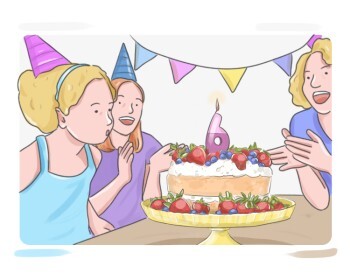
the day and month of your birth in every year
zi de naștere
El i-a invitat pe toți prietenii săi la petrecerea sa de aniversare în parc.
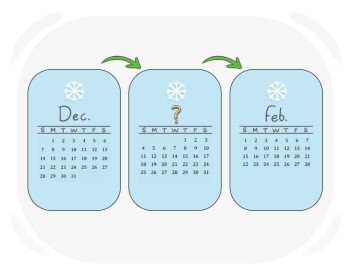
the first month of the year, after December and before February
ianuarie
În ianuarie, sărbătorim începutul noului an cu artificii și bucurie.
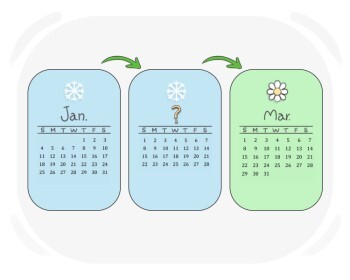
the second month of the year, after January and before March
februarie
În februarie, zilele încep treptat să se lungescă pe măsură ce ne apropiem de primăvară.
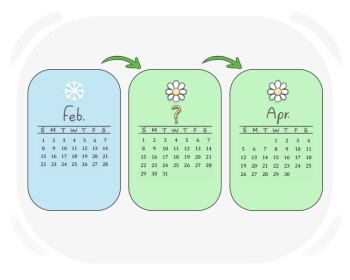
the third month of the year, after February and before April
martie
Martie este luna care marchează începutul orei de vară în unele țări.
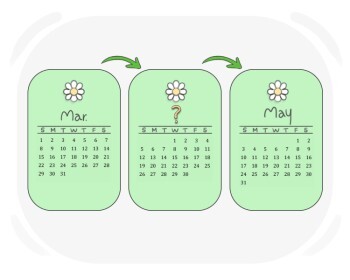
the fourth month of the year, after March and before May
aprilie
Vremea în aprilie poate fi imprevizibilă, cu ploaie și soare.
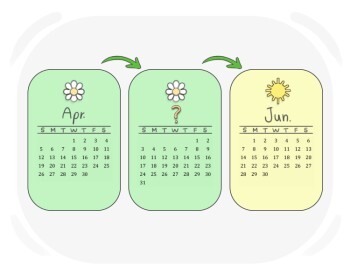
the fifth month of the year, after April and before June
mai
Multe flori înfloresc în mai, cum ar fi lalelele și margaretele.
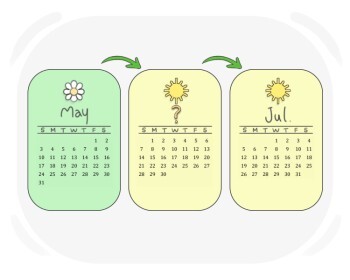
the sixth month of the year, after May and before July
iunie
Mulți studenți așteaptă cu nerăbdare iunie pentru că marchează începutul vacanței de vară.
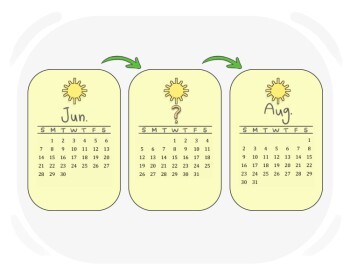
the seventh month of the year, after June and before August
iulie
Spectacolele de artificii sunt comune în multe țări în luna iulie.
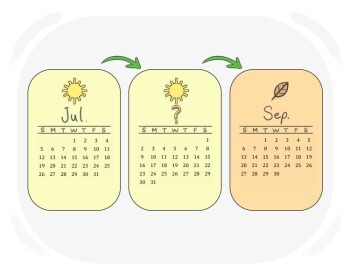
the eighth month of the year, after July and before September
august
August marchează sfârșitul verii și începutul toamnei în unele părți ale lumii.
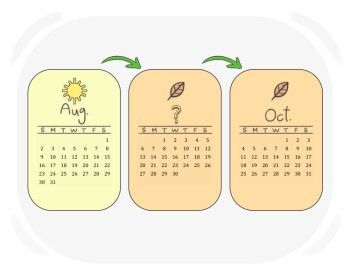
the ninth month of the year, after August and before October
septembrie
În septembrie, vremea începe să se răcească odată cu apropierea toamnei.
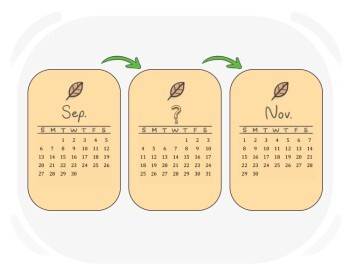
the tenth month of the year, after September and before November
octombrie
Halloween se sărbătorește în ultima zi din octombrie.
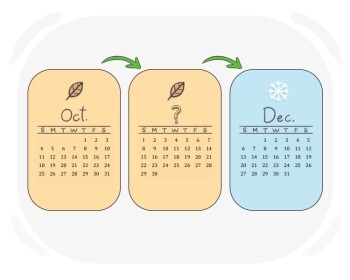
the 11th month of the year, after October and before December
noiembrie
Mulți oameni se bucură să privească frunzele colorate căzând de pe copaci în noiembrie.
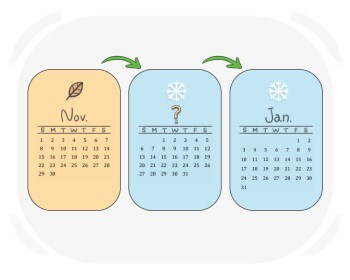
the 12th and last month of the year, after November and before January
decembrie
Decembrie este ultima lună a anului.
in a way that happens every day or once a day
zilnic, în fiecare zi
Sora mea meditează zilnic pentru a reduce stresul.
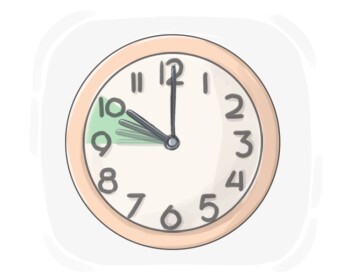
each of the twenty-four time periods that exist in a day and each time period is made up of sixty minutes
oră
Îmi place să privesc răsăritul soarelui în primele ore ale dimineții.
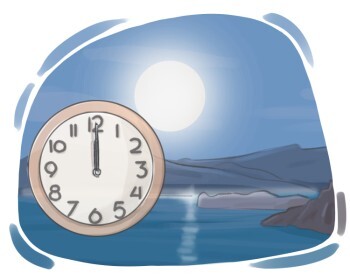
the middle of the night when the clock shows 12 AM
miezul nopții, mijlocul nopții
Artificiile au început la miezul nopții.
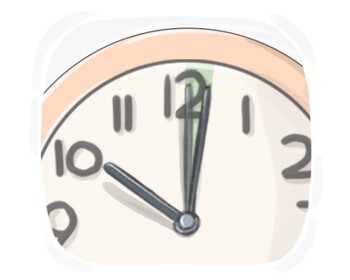
each of the sixty parts that creates one hour and is made up of sixty seconds
minut
Am nevoie de un minut să mă gândesc la întrebarea ta înainte să răspund.
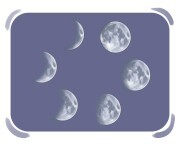
in a way than happens once every month
lunar, în fiecare lună
Mama mea participă la un curs de gătit lunar.
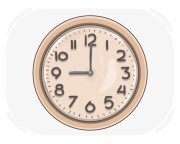
put after the numbers one to twelve to show or tell what time it is, only when it is at that exact hour
ora, fix
De obicei mă duc la culcare în jur de ora 11.
used to indicate that a particular time has already gone by
deja, anterior
Trei ore au trecut până când au ajuns în sfârșit la destinație.
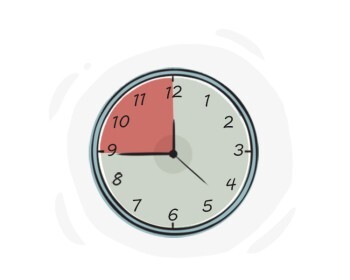
a measure of time that equals 15 minutes
sfert, sfert de oră
Avem un sfert de oră înainte de a începe ședința.
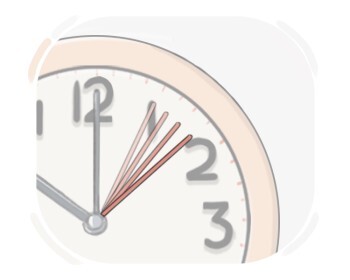
the standard SI unit of time, equal to one-sixtieth of a minute
secundă, al doilea
Timerul cuptorului cu microunde a fost setat pentru 90 secunde.
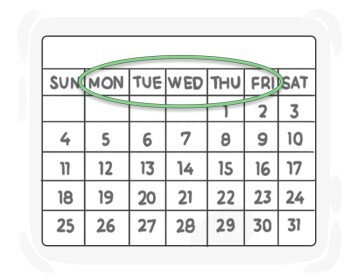
any day of the week other than Saturday and Sunday
zi lucrătoare, zi de săptămână
Magazinul este deschis în zilele lucrătoare de la 9:00 la 18:00.
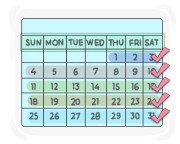
happening, done, or made every week
săptămânal, în fiecare săptămână
Au participat la cursul lor săptămânal de yoga în serile de luni.
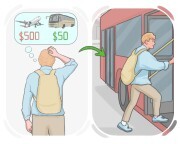
used for introducing the reason of something
pentru că, deoarece
A rămas acasă pentru că se simțea rău.

used to expresse purpose or intention, explaining the reason behind the main clause
astfel încât, pentru ca
Ea a studiat din greu ca să poată trece examenul.
used to introduce the reason of something happening
din cauza, datorită
Au anulat petrecerea din cauza pandemiei.
