
Inglés de Cambridge: PET (B1 Preliminary) - Educación y Academia
Aprende vocabulario del PET para la educación, incluyendo escuelas, asignaturas, lecciones, exámenes, profesores, estudiantes, estudio, titulaciones y actividades académicas.
Revisión
Tarjetas de memoria
formas
Ortografía
Cuestionario

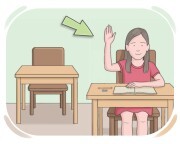
to go to school, university, church, etc. periodically

asistir a
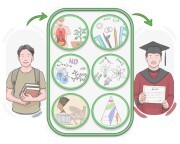
the overall content, courses, and learning experiences designed by educational institutions to achieve specific educational goals and outcomes for students
plan de estudios

the process that involves teaching and learning, particularly at a school, university, or college
educación
El gobierno invirtió en mejorar el acceso a una educación de calidad para todos los niños.

a short piece of writing that discusses, analyzes, or presents ideas about a particular subject
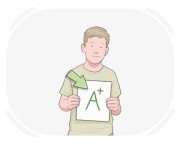
a letter or number given by a teacher to show how a student is performing in class, school, etc.
nota

a principle or standard that ordinarily governs behavior or conduct
regla, norma
an ability to do something well, especially after training
habilidad

a talk given to an audience about a particular subject to educate them, particularly at a university or college
conferencia, clase magistral
a matter that is dealt with in a conversation, text, or study
tema, asunto

a careful and systematic study of a subject to discover new facts or information about it
investigación
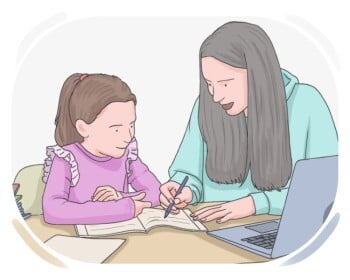
a person who gives private or additional instruction to one student or a small group
tutor, profesor particular

to successfully complete a course of study at a university, college, or school and receive a degree or diploma
graduarse

the certificate that is given to university or college students upon successful completion of their course
título
to go over something one has already learned to refresh one's memory, especially before an exam
repasar, revisar
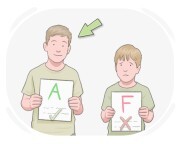
to get the necessary grades in an exam, test, course, etc.
aprobar, pasar
to concentrate or focus on a particular task or subject
![to [make] a decision](https://cdn.langeek.co/photo/61434/thumb/350?type=jpeg "to [make] a decision")
to create or choose a course of action from various options after considering the available information and potential consequences
to perform an action that is incorrect or unintended, often resulting in an error or oversight
to write down or record information, typically in a brief or concise form, to remember it or refer to it later
to complete tasks given by teachers or instructors
to record or write down something for the purpose of remembering it or referring to it later
to complete a course of study at a university or college to earn a degree
![to [take] a (test|exam)](https://cdn.langeek.co/photo/20017/thumb/examination/350?type=jpeg "to [take] a (test|exam)")
to participate in and complete an examination or assessment
to not go to or be present at an event or activity
perder, faltar
creating a sequence of instructions to enable the computer to do something
programación de computadoras, codificación de computadoras
a type of writing that uses imagination, feelings, and original ideas to create stories, poems, or other made-up pieces
escritura creativa
A ella le encanta hacer escritura creativa en su tiempo libre.

a certificate given to someone who has completed a course of study
diploma, título
Obtuvo su diploma de secundaria después de completar cuatro años de estudio.
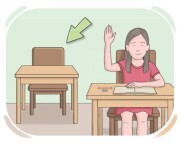
not present in a place where someone is expected to be
ausente
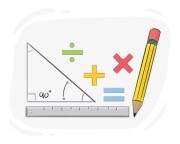
a branch of mathematics that deals with addition, subtraction, multiplication, etc.
aritmética
El estudio de la aritmética se remonta a las civilizaciones antiguas, donde los primeros matemáticos desarrollaron técnicas para contar y calcular.
an official document that states one has successfully passed an exam or completed a course of study
certificado

the social science that studies how goods, services, money, and resources are produced, distributed, and used
economía

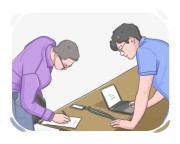
to enter one's name in a list of an institute, school, etc.
registrar, inscribir
a school that provides education for students typically between the ages of 11 and 18
secundaria, colegio
a short piece of writing produced as a school exercise
redacción, composición
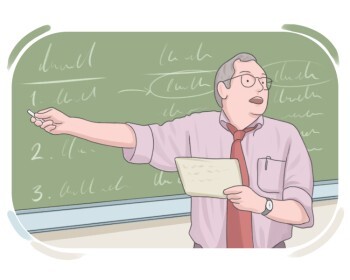
a teacher below the rank of assistant professor at a college or university
instructor, profesor adjunto
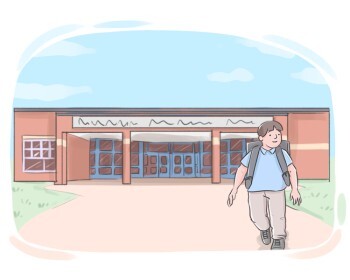
the school for young children, usually between the age of 5 to 11 in the UK
escuela primaria, colegio de primaria
En el Reino Unido, los niños generalmente comienzan la escuela primaria a los cinco años.
