
Cambridge IELTS 15 - Académico - Prueba 4 - Audición - Parte 3
Aprende vocabulario de Cambridge IELTS 15 Academic, Test 4 Listening Part 3, y repasa palabras y expresiones útiles de esta sección del examen de práctica.
Revisión
Tarjetas de memoria
formas
Ortografía
Cuestionario

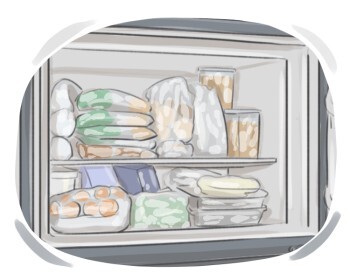
the process of keeping something cold or frozen to prevent spoilage

refrigeración, enfriamiento
to become solid because of low temperature
congelar
to have a sudden or complete understanding of a fact or situation
saber, reconocer
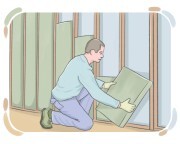
to protect or shield from cold, heat, sound, or electricity by surrounding with a material that prevents the transfer of energy
aislar, proteger
El electricista aconsejó aislar los cables para prevenir la pérdida de calor y garantizar la seguridad.
the dried stalks of cereal crops after the grain has been removed
paja, bálago
the tiny pieces of wood that are left over after you cut or shape a piece of wood with a saw or other tool
serrín, virutas de madera
La fábrica recolectó el serrín para reciclar.
a large or deep hole in the ground or another surface
foso, pozo

to be able to pay the cost of something
permitirse
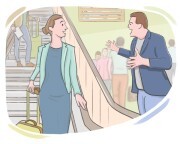
to discover, meet, or find someone or something by accident
encontrar
Estaba hojeando en una librería cuando me encontré con una novela que llamó mi atención.
relating to or belonging to the home, household, or family life
doméstico
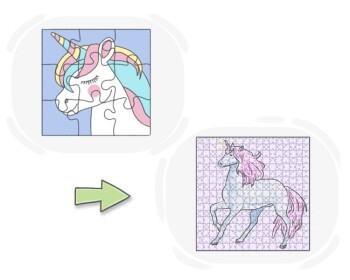
not easy to understand or analyze
difícil

to put aside or remove a person or thing in order to no longer have them present or involved
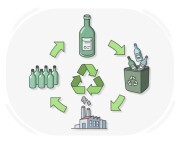
to make a waste product usable again
reciclar
El compostaje es un método de reciclaje de residuos orgánicos para crear suelo rico en nutrientes para la jardinería.
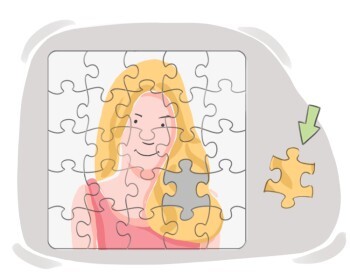
a part that combines with others to form a larger whole, often separable and functional within a system
componente
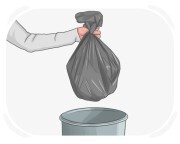
to get rid of unwanted material or waste by leaving it somewhere
tirar
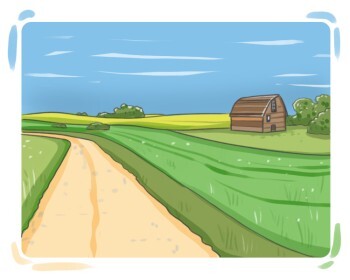
the area with farms, fields, and trees, that is outside cities and towns
campo
used to express the sum or entire amount
en total, completamente

to convey or make a specific impression when read about or when heard
sonar, parecer
in a manner that almost does not occur or happen
casi nunca, raramente
Casi nunca llega tarde a las reuniones.
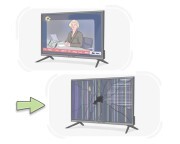
(of a machine or vehicle) to stop working as a result of a malfunction
dejar de funcionar por una avería, averiarse y dejar de funcionar
La impresora averiarse repentinamente, causando un retraso en la impresión de documentos.
used to describe the typical or average value or amount based on a set of data or observations
en promedio
Los estudiantes obtuvieron puntajes más altos en promedio en el examen de este año en comparación con el año pasado.

a machine or device that is designed to do a particular thing, like cleaning or cooking, in a home
electrodoméstico, aparato doméstico
Un microondas es uno de los electrodomésticos más utilizados.
barely at a particular time in the past
apenas, casi no
Apenas había terminado mi frase cuando ella me interrumpió.
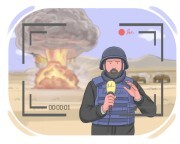
to provide a report on or talk about an event in a news piece or media
cubrir, tratar, tocar
to collaborate or work collectively on a shared project or task
juntarse, colaborar
Las dos empresas decidieron juntarse en una empresa conjunta.
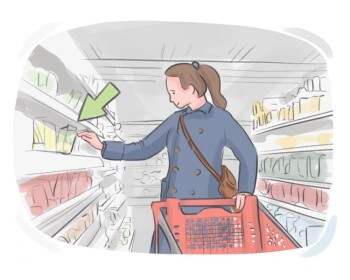
items made or produced for sale
bienes
El envío de mercancías llegó tarde, lo que causó un retraso en el reabastecimiento de los estantes.
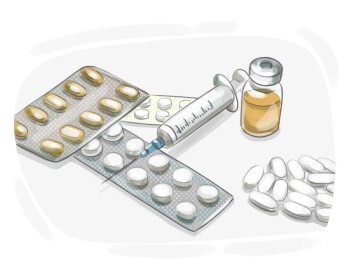
a substance that treats injuries or illnesses
medicina, medicamento
used to introduce a statement that provides a reason or justification
después de todo, al fin y al cabo
No estaba seguro de si debía aceptar la oferta de trabajo, pero después de todo, venía con un salario más alto.
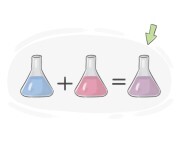
(chemistry) a substance used in or produced by a reaction that changes atoms or molecules
producto químico
food that is not preserved by canning or dehydration or freezing or smoking
alimentos frescos, comida fresca
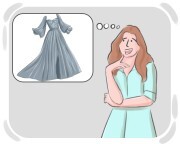
to want, like, or feel like having or doing something
apetecer, tener ganas de

to fail to remember what one previously knew
quedarse en blanco, no acordarse de nada de repente
Practicó las líneas toda la semana, pero en el escenario se quedó en blanco.
to perform a helpful or kind act for someone, typically without expecting something in return
to carry a sense of gratitude, recognition, or indebtedness toward someone or something for intellectual or abstract contributions
deber, estar en deuda
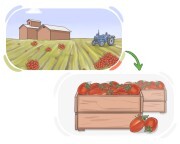
products grown or made on a farm, such as fruits, vegetables, etc.
frutas y verduras
used as a preface to a candid or frank statement, opinion, or observation
para ser sincero
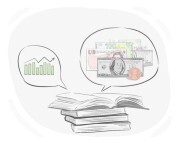
the social science that studies how goods, services, money, and resources are produced, distributed, and used
economía

requiring significant effort to overcome or complete
bastante pesado, cuesta bastante
Los últimos kilómetros se hicieron bastante pesados después de que la lluvia convirtiera el camino en barro.

to make an attempt to achieve or do something
hacer un intento, intentarlo
Hizo un intento de arreglar la radio vieja.
a wheeled vehicle adapted to the rails of railroad
vagón, coche de ferrocarril

to recognize the difference present between two people or things
diferenciar
to fulfill or satisfy the needs, desires, or preferences of individuals or groups
adecuarse, satisfacer
to emphasize, express, or communicate a specific idea or argument
used to indicate a relationship or association between two or more things
en relación con, en conexión con
La decisión se tomó en relación con los objetivos a largo plazo de la empresa.
the quality or state of having many interconnected parts and being difficult to understand or deal with
complejidad
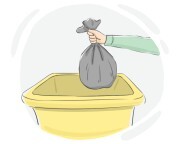
to get rid of something that is no longer wanted or needed
desechar, eliminar
in a manner lacking a sense of duty, often characterized by carelessness
irresponsablemente, de manera irresponsable
Condujeron irresponsablemente bajo la lluvia.
the worth of a product or service in relation to its price
relación calidad-precio, valor por el dinero
Descubrieron que la marca más barata ofrecía un mejor valor por el dinero que la cara.
| Cambridge IELTS 15 - Académico | |||
|---|---|---|---|
| Prueba 3 - Lectura - Pasaje 3 | Test 4 - Escucha - Parte 1 | Prueba 4 - Comprensión Auditiva - Parte 2 | Prueba 4 - Audición - Parte 3 |
| Prueba 4 - Escucha - Parte 4 | Prueba 4 - Lectura - Pasaje 1 | Prueba 4 - Lectura - Pasaje 2 | Prueba 4 - Lectura - Pasaje 3 |
