pattern

Cambridge IELTS 15 - Akademický - Test 4 - Poslech - Část 3

Učte se slovní zásobu z Cambridge IELTS 15 Academic, Test 4 Listening Part 3, a opakujte užitečná slova a výrazy z této části cvičného testu.

Revize

Kartičky

tvary

Pravopis

Kvíz
Začněte se učit
Cambridge IELTS 15 - Academic
refrigeration
refrigeration
[Podstatné jméno]

the process of keeping something cold or frozen to prevent spoilage

chlazení, chladírenství
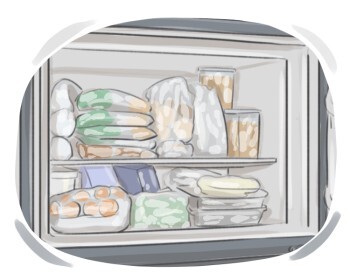
chlazení, chladírenství

Ex: The warehouse provides refrigeration for perishable goods. 
to freeze
to freeze
[sloveso]

to become solid because of low temperature

Ex: If the temperature drops further, the pipes may freeze. 
to realize
to realize
[sloveso]

to have a sudden or complete understanding of a fact or situation

uvědomit si, pochopit

uvědomit si, pochopit

Ex: As he read the letter, he began to realize the depth of her feelings. 
to insulate
to insulate
[sloveso]

to protect or shield from cold, heat, sound, or electricity by surrounding with a material that prevents the transfer of energy

izolovat, chránit

izolovat, chránit

Ex: The homeowners decided to insulate their attic to keep the house warm in winter. 

Majitelé domů se rozhodli izolovat své půdy, aby v zimě udrželi dům v teple.

straw
straw
[Podstatné jméno]

the dried stalks of cereal crops after the grain has been removed

sláma,  stéblo

sláma, stéblo

Ex: The roof of the cottage was traditionally covered with straw. 
sawdust
sawdust
[Podstatné jméno]

the tiny pieces of wood that are left over after you cut or shape a piece of wood with a saw or other tool

piliny, dřevěné hobliny

piliny, dřevěné hobliny

Ex: The hamster’s cage was filled with soft sawdust. 

Klec křečka byla naplněna měkkými pilinami.

pit
pit
[Podstatné jméno]

a large or deep hole in the ground or another surface

jáma,  díra

jáma, díra

Ex: Rainwater had collected at the bottom of the pit. 
to afford
to afford
[sloveso]

to be able to pay the cost of something

dovolit si, mít prostředky na

dovolit si, mít prostředky na

Ex: If you save consistently, you may eventually afford a house. 
to come across

to discover, meet, or find someone or something by accident

narazit na, náhodou objevit

narazit na, náhodou objevit

Ex: I didn't expect to come across an old friend from high school at the conference, but it was a pleasant surprise. 

Nečekal jsem, že na konferenci narazím na starého přítele ze střední školy, ale bylo to příjemné překvapení.

domestic
domestic
[Přídavné jméno]

relating to or belonging to the home, household, or family life

domácí, rodinný
domácí, rodinný

Ex: She handled all the domestic chores with care. 
complex
complex
[Přídavné jméno]

not easy to understand or analyze

složitý, obtížně pochopitelný

složitý, obtížně pochopitelný

Ex: The human brain is incredibly complex, with its functions still not fully understood. 
to [get] rid of {sb/sth}

to put aside or remove a person or thing in order to no longer have them present or involved
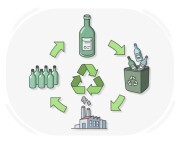
Ex: Getting rid of noise enhances the quality of your audio and makes it sound more pleasing to the ears. 
to recycle
to recycle
[sloveso]

to make a waste product usable again

recyklovat, znovu použít

recyklovat, znovu použít

Ex: Recycling paper involves collecting and processing used paper products to make new paper. 

Recyklace papíru zahrnuje sběr a zpracování použitých papírových výrobků k výrobě nového papíru.
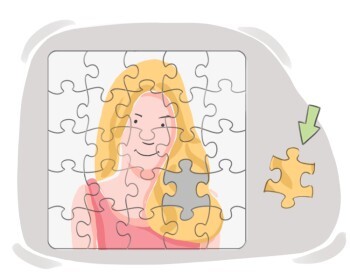
component
component
[Podstatné jméno]

a part that combines with others to form a larger whole, often separable and functional within a system

součástka, prvek

součástka, prvek

Ex: The motherboard is a key component of a computer. 
to dump
to dump
[sloveso]

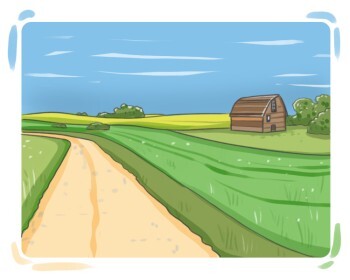
to get rid of unwanted material or waste by leaving it somewhere

vyhazovat
vyhazovat

Ex: Residents complained that builders were dumping rubble nearby. 
countryside
countryside
[Podstatné jméno]

the area with farms, fields, and trees, that is outside cities and towns

venkov, venkovská oblast

venkov, venkovská oblast

Ex: They enjoyed taking long walks in the peaceful countryside. 
altogether
altogether
[Příslovce]

used to express the sum or entire amount

celkem, úplně

celkem, úplně

Ex: Altogether, the repairs will cost around $2,000. 
to sound
to sound
[sloveso]

to convey or make a specific impression when read about or when heard

znít, vypadat

znít, vypadat

Ex: That sounds like a good idea. 
hardly ever
hardly ever
[Příslovce]

in a manner that almost does not occur or happen

téměř nikdy, zřídka

téměř nikdy, zřídka

Ex: He hardly ever takes a day off from work. 

Téměř nikdy si nebere volno z práce.

to break down
to break down
[sloveso]

(of a machine or vehicle) to stop working as a result of a malfunction

přestat fungovat kvůli poruše, porouchat se a přestat fungovat

přestat fungovat kvůli poruše, porouchat se a přestat fungovat

Ex: The lawnmower broke down in the middle of mowing the lawn. 

Sekačka na trávu se porouchala uprostřed sečení trávníku.

on average
on average
[Příslovce]

used to describe the typical or average value or amount based on a set of data or observations

v průměru

v průměru

Ex: The restaurant serves on average 200 customers daily. 

Restaurace obslouží průměrně 200 zákazníků denně.

household appliance
household appliance
[Podstatné jméno]

a machine or device that is designed to do a particular thing, like cleaning or cooking, in a home

domácí spotřebič, domácí přístroj

domácí spotřebič, domácí přístroj

Ex: The dishwasher is a convenient household appliance for busy families. 

Myčka nádobí je pohodlný domácí spotřebič pro vytížené rodiny.

hardly
hardly
[Příslovce]

barely at a particular time in the past

stěží, sotva

stěží, sotva

Ex: They had hardly sat down when dinner was served. 

Sotva se posadili, když bylo podáváno večeře.
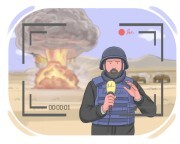
to cover
to cover
[sloveso]

to provide a report on or talk about an event in a news piece or media

pokrývat, referovat

pokrývat, referovat

Ex: The journalist covered the presidential inauguration, providing live updates throughout the day. 
to get together

to collaborate or work collectively on a shared project or task

sejít se, spolupracovat

sejít se, spolupracovat

Ex: They got together to plan a surprise birthday party for their friend. 

Sešli se, aby naplánovali překvapení narozeninovou oslavu pro svého přítele.
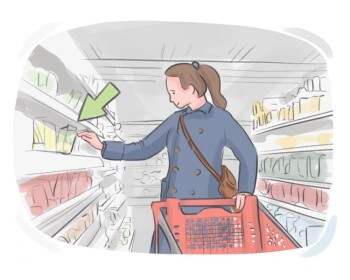
goods
goods
[Podstatné jméno]

items made or produced for sale

zboží,  produkty

zboží, produkty

Ex: He decided to donate his gently used goods to charity, hoping to help those in need. 

Rozhodl se darovat své lehce použité zboží na charitu, v naději, že pomůže potřebným.

medicine
medicine
[Podstatné jméno]

a substance that treats injuries or illnesses

lék, medicína

lék, medicína

Ex: The doctor prescribed medicine for her cough. 
after all
after all
[Příslovce]

used to introduce a statement that provides a reason or justification

nakonec, přece jen

nakonec, přece jen

Ex: I was hesitant about going to the party, but after all, it was my best friend's birthday. 

Váhal jsem, jestli jít na párty, ale nakonec to byly narozeniny mého nejlepšího přítele.
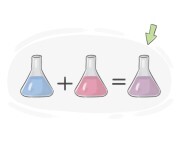
chemical
chemical
[Podstatné jméno]

(chemistry) a substance used in or produced by a reaction that changes atoms or molecules

chemikálie

chemikálie

Ex: The lab stored many dangerous chemicals in a locked cabinet. 
fresh food
fresh food
[Podstatné jméno]

food that is not preserved by canning or dehydration or freezing or smoking

čerstvé jídlo, čerstvé potraviny

čerstvé jídlo, čerstvé potraviny

to fancy
to fancy
[sloveso]

to want, like, or feel like having or doing something

mít chuť na, chtít

mít chuť na, chtít

Ex: She suddenly fancied a walk along the river. 
to [go] blank
to go blank
[fráze]

to fail to remember what one previously knew

mít okno, najednou si na nic nevzpomenout

mít okno, najednou si na nic nevzpomenout

Ex: She asked for the password, and I went completely blank. 

Ze se zeptala na heslo a já měl úplné okno.

to [do] {sb} a (favor|solid)

to perform a helpful or kind act for someone, typically without expecting something in return

Ex: He did his elderly neighbor a favor by shoveling snow from her driveway. 
to owe
to owe
[sloveso]

to carry a sense of gratitude, recognition, or indebtedness toward someone or something for intellectual or abstract contributions

dlužit, cítit vděčnost
dlužit, cítit vděčnost

Ex: I owe my clarity of thought to the insightful teachings of my philosophy professor. 
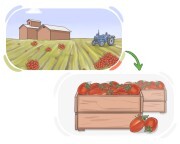
produce
produce
[Podstatné jméno]

products grown or made on a farm, such as fruits, vegetables, etc.

zemědělské produkty

zemědělské produkty

Ex: The grocery store had a wide selection of produce in the fresh section. 
to be honest
to be honest
[fráze]

used as a preface to a candid or frank statement, opinion, or observation

upřímně řečeno

upřímně řečeno

Ex: To be honest, I'd rather stay home and play games than go to that party. 
economics
economics
[Podstatné jméno]

the social science that studies how goods, services, money, and resources are produced, distributed, and used

ekonomie,  hospodářství

ekonomie, hospodářství

Ex: The professor has written several books on international economics. 
heavy going
heavy going
[fráze]

requiring significant effort to overcome or complete

dost náročné, vyžadující hodně úsilí

dost náročné, vyžadující hodně úsilí

Ex: The meeting was heavy going because every decision needed approval from three departments. 

Schůzka byla dost náročná, protože každé rozhodnutí musela schválit tři oddělení.

to [have] a go
to have a go
[fráze]

to make an attempt to achieve or do something

zkusit to, pokusit se

zkusit to, pokusit se

Ex: He had a go at the competition, even though he was new to the sport. 

Zkusil soutěž, i když byl v tom sportu nový.

railroad car
railroad car
[Podstatné jméno]

a wheeled vehicle adapted to the rails of railroad

železniční vůz, vagon

železniční vůz, vagon

to differentiate

to recognize the difference present between two people or things

rozlišovat, odlišit

rozlišovat, odlišit

Ex: The teacher helps her students differentiate between similar-sounding words by highlighting their distinct meanings and usage. 
to suit
to suit
[sloveso]

to fulfill or satisfy the needs, desires, or preferences of individuals or groups

vyhovovat, uspokojovat

vyhovovat, uspokojovat

Ex: The flexible scheduling options suit employees who prefer to work remotely. 
icehouse
icehouse
[Podstatné jméno]

a house for storing ice

ledárna, dům na led

ledárna, dům na led

to [make] a point

to emphasize, express, or communicate a specific idea or argument

Ex: During the meeting, she wanted to make a point about the importance of teamwork in achieving our goals. 
in connection with
in connection with
[předložka]

used to indicate a relationship or association between two or more things

v souvislosti s, ve spojení s

v souvislosti s, ve spojení s

Ex: The announcement was made in connection with the company's quarterly earnings report. 

Oznámení bylo učiněno v souvislosti s čtvrtletní zprávou o ziscích společnosti.

complexity
complexity
[Podstatné jméno]

the quality or state of having many interconnected parts and being difficult to understand or deal with

složitost
složitost

Ex: The project grew in complexity as more teams became involved. 
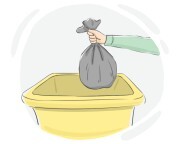
to dispose
to dispose
[sloveso]

to get rid of something that is no longer wanted or needed

zbavit se,  odstranit
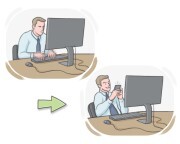
zbavit se, odstranit

Ex: Daniel has finally disposed of the old computer in his garage. 
irresponsibly
irresponsibly
[Příslovce]

in a manner lacking a sense of duty, often characterized by carelessness

nezodpovědně, nezodpovědným způsobem

nezodpovědně, nezodpovědným způsobem

Ex: He irresponsibly left his children alone at home. 

Nezodpovědně nechal své děti doma samotné.

value for money
value for money
[Podstatné jméno]

the worth of a product or service in relation to its price

poměr ceny a kvality, hodnota za peníze

poměr ceny a kvality, hodnota za peníze

Ex: The local gym offers great value for money, with a wide range of classes included in the membership. 

Místní posilovna nabízí skvělý poměr ceny a kvality, s širokou škálou tříd zahrnutých v členství.

LanGeek
Stáhnout aplikaci LanGeek