pattern

500 Verbos Más Comunes en Inglés - Verbos Comunes

Aquí tienes la parte 9 de la lista de los verbos más comunes en inglés como "wish", "hide" y "hate".

Revisión

Tarjetas de memoria

formas

Ortografía

Cuestionario
Empezar a aprender
Most Common Verbs in English Vocabulary
to vomit
to vomit
[Verbo]

to eject what has been eaten or drunk through the mouth

vomitar, devolver

vomitar, devolver

Ex: Yesterday, he unexpectedly vomited after having dinner at the restaurant. 

Ayer, vomitó inesperadamente después de cenar en el restaurante.

to wish
to wish
[Verbo]

to desire something to occur or to be true even though it is improbable or not possible

desear

desear

Ex: I wish I could fly like a bird and see the world from above. 

Deseo poder volar como un pájaro y ver el mundo desde arriba.

to prove
to prove
[Verbo]

to show that something is true through the use of evidence or facts

probar

probar

Ex: The forensic analysis proved the suspect's innocence. 

El análisis forense demostró la inocencia del sospechoso.

to assume
to assume
[Verbo]

to think that something is true without having proof or evidence

suponer, presumir

suponer, presumir

Ex: Yesterday, he mistakenly assumed that the meeting was canceled. 

Ayer, él supuso erróneamente que la reunión estaba cancelada.

to contain
to contain
[Verbo]

to have or hold something within or include something as a part of a larger entity or space

contener

contener

Ex: The cupboard contains dishes, cups, and other kitchenware. 

El armario contiene platos, tazas y otros utensilios de cocina.

to rise
to rise
[Verbo]

to move from a lower to a higher position

subir

subir

Ex: If you had followed the instructions, the cake would have risen perfectly. 

Si hubieras seguido las instrucciones, el pastel se habría elevado perfectamente.

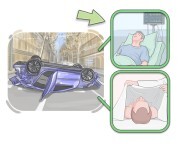
to prevent
to prevent
[Verbo]

to not let someone do something

impedir
impedir

Ex: The referee intervened to prevent the players from escalating the argument into a physical altercation. 

El árbitro intervino para evitar que los jugadores convirtieran la discusión en una altercación física.

to survive
to survive
[Verbo]

to remain alive after enduring a specific hazardous or critical event

sobrevivir

sobrevivir

Ex: The sailors were lost at sea for weeks but their resourcefulness helped them survive. 

Los marineros estuvieron perdidos en el mar durante semanas, pero su ingenio les ayudó a sobrevivir.

to hide
to hide
[Verbo]

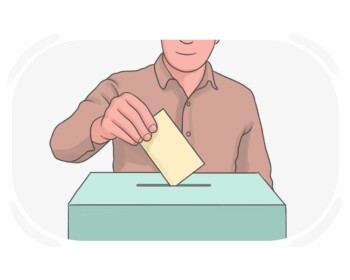
to keep something in a secret place, preventing it from being seen

esconder
esconder

Ex: She hid the gift under her bed to keep it a surprise. 

Ella escondió el regalo debajo de su cama para mantenerlo como una sorpresa.

to vote
to vote
[Verbo]

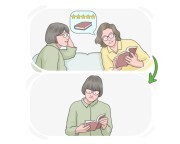
to show which candidate one wants to win in an election or which plan one supports, by marking a piece of paper, raising one's hand, etc.

votar
votar

Ex: Yesterday, she enthusiastically voted for her preferred candidate. 

Ayer, ella votó con entusiasmo por su candidato preferido.

to recommend

to suggest to someone that something is good, convenient, etc.

recomendar

recomendar

Ex: The travel agent recommended a boutique hotel in the city center, praising its central location and excellent reviews. 

El agente de viajes recomendó un hotel boutique en el centro de la ciudad, elogiando su ubicación céntrica y sus excelentes reseñas.

to hate
to hate
[Verbo]

to really not like something or someone

odiar

odiar

Ex: I hate spicy food because it burns my mouth. 

Odio la comida picante porque me quema la boca.

to sleep
to sleep
[Verbo]

to rest our mind and body, with our eyes closed

dormir

dormir

Ex: I often have vivid dreams when I sleep deeply. 

A menudo tengo sueños vívidos cuando duermo profundamente.

to report
to report
[Verbo]

to cover or give the details of an event in written or spoken form as a journalist on TV, etc.

reportar noticias

reportar noticias

Ex: Yesterday, the news anchor reported on the latest developments in the political arena. 

Ayer, el presentador de noticias informó sobre los últimos acontecimientos en el ámbito político.

to prepare
to prepare
[Verbo]

to make a person or thing ready for doing something

preparar
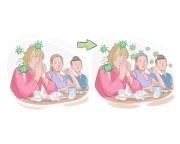
preparar

Ex: She prepares her artwork by gathering all the necessary materials. 

Ella prepara su obra de arte reuniendo todos los materiales necesarios.

to spread
to spread
[Verbo]

to extend or increase in influence or effect over a larger area or group of people

propagar

propagar

Ex: The excitement of the victory spread to the fans. 

La emoción de la victoria se extendió a los fanáticos.

to trust
to trust
[Verbo]

to believe that someone is sincere, reliable, or competent

confiar en

confiar en

Ex: Yesterday, he trusted his friend to handle an important project. 

Ayer, él confió en su amigo para manejar un proyecto importante.

to force
to force
[Verbo]

to make someone behave a certain way or do a particular action, even if they do not want to

forzar, obligar

forzar, obligar

Ex: The invaders forced the captured soldiers to reveal classified information. 

Los invasores obligaron a los soldados capturados a revelar información clasificada.

to plan
to plan
[Verbo]

to decide on and make arrangements or preparations for something ahead of time

hacer planes

hacer planes

Ex: Knowing the holiday rush, they planned their vacation well ahead of time. 

Conociendo la prisa de las vacaciones, planificaron sus vacaciones con mucha anticipación.

to visit
to visit
[Verbo]

to go somewhere because we want to spend time with someone

visitar

visitar

Ex: She's planning to visit her pen pal in France next year. 

Ella planea visitar a su amigo por correspondencia en Francia el próximo año.

to introduce

to tell someone our name so they can know us, or to tell them someone else's name so they can know each other, normally happening in the first meeting

presentar

presentar

Ex: I want to introduce my parents. 

Quiero presentar a mis padres.

to calm
to calm
[Verbo]

to make someone become relaxed and quiet

calmar, tranquilizar

calmar, tranquilizar

Ex: Yesterday, he successfully calmed his anxious friend with soothing words. 

Ayer, logró calmar a su amigo ansioso con palabras tranquilizadoras.

to accept
to accept
[Verbo]

to say yes to what is asked of you or offered to you

aceptar, consentir

aceptar, consentir

Ex: I accepted the task, despite knowing it would be difficult. 

Acepté la tarea, a pesar de saber que sería difícil.

to claim
to claim
[Verbo]

to say that something is the case without providing proof for it

asegurar

asegurar

Ex: Yesterday, the politician confidently claimed that the opposition's policies were harmful. 

Ayer, el político afirmó con seguridad que las políticas de la oposición eran perjudiciales.

to appreciate

to be thankful for something

agradecer

agradecer

Ex: Yesterday, he warmly appreciated the thoughtful birthday gift from his family. 

Ayer, él calurosamente apreció el considerado regalo de cumpleaños de su familia.

LanGeek
Descargar la aplicación LanGeek