

pattern

500 Verbes Anglais Les Plus Courants - Top 201 - 225 Verbes

Ici, vous est fournie la partie 9 de la liste des verbes les plus courants en anglais tels que "souhaiter", "cacher" et "détester".

Réviser

Flashcards

formes

Orthographe

Quiz

Commencer à apprendre
Most Common Verbs in English Vocabulary
to vomit
to vomit
[verbe]

to eject what has been eaten or drunk through the mouth

vomir

vomir

Ex: She sometimes vomits after eating certain foods. 
to wish
to wish
[verbe]

to desire something to occur or to be true even though it is improbable or not possible

souhaiter

souhaiter

Ex: He regularly wishes he could travel the world. 
to prove
to prove
[verbe]

to show that something is true through the use of evidence or facts

prouver

prouver

Ex: He often proves his point through well-researched arguments. 
to assume
to assume
[verbe]

to think that something is true without having proof or evidence

supposer

supposer

Ex: She often assumes that everyone agrees with her perspective. 
to contain
to contain
[verbe]

to have or hold something within or include something as a part of a larger entity or space

contenir

contenir

Ex: The box regularly contains various items like books and documents. 
to rise
to rise
[verbe]

to move from a lower to a higher position

s’élever, monter

s’élever, monter

Ex: The hot air balloon rose gracefully into the sky. 
to prevent
to prevent
[verbe]

to not let someone do something

empêcher

empêcher

Ex: The security guard prevented the unauthorized person from entering the building. 
to survive
to survive
[verbe]

to remain alive after enduring a specific hazardous or critical event

survivre

survivre

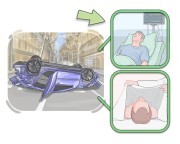
Ex: After the plane crash, the survivors had to find shelter and food while waiting for rescue, managing to survive against all odds. 
to hide
to hide
[verbe]

to keep something in a secret place, preventing it from being seen

cacher

cacher

Ex: She hid her diary in a secret drawer to keep it private. 
to vote
to vote
[verbe]

to show which candidate one wants to win in an election or which plan one supports, by marking a piece of paper, raising one's hand, etc.

voter

voter

Ex: Citizens regularly vote in elections to choose their representatives. 
to recommend

to suggest to someone that something is good, convenient, etc.

recommander

recommander

Ex: She regularly recommends this book to anyone interested in history. 
to hate
to hate
[verbe]

to really not like something or someone

détester

détester

Ex: Can you please stop making that noise? I hate it. 
to sleep
to sleep
[verbe]

to rest our mind and body, with our eyes closed

dormir

dormir

Ex: After a long day of work, I like to relax and sleep to recharge my energy. 
to report
to report
[verbe]

to cover or give the details of an event in written or spoken form as a journalist on TV, etc.

rapporter, faire un reportage

rapporter, faire un reportage

Ex: Journalists regularly report on breaking news stories to keep the public informed. 
to prepare
to prepare
[verbe]

to make a person or thing ready for doing something

préparer

préparer

Ex: He prepares his outfit the night before to save time in the morning. 
to spread
to spread
[verbe]

to extend or increase in influence or effect over a larger area or group of people

s’étendre, se propager, se répandre

s’étendre, se propager, se répandre

Ex: The flu virus can easily spread in crowded places. 
to trust
to trust
[verbe]

to believe that someone is sincere, reliable, or competent

faire confiance à

faire confiance à

Ex: She regularly trusts her colleagues to complete tasks efficiently. 
to force
to force
[verbe]

to make someone behave a certain way or do a particular action, even if they do not want to

forcer, contraindre

forcer, contraindre

Ex: The authoritarian government often forces citizens to conform to its ideologies. 
to plan
to plan
[verbe]

to decide on and make arrangements or preparations for something ahead of time

planifier, prévoir

planifier, prévoir

Ex: They planned the trip months in advance to ensure everything was in place. 
to visit
to visit
[verbe]

to go somewhere because we want to spend time with someone

rendre visite

rendre visite

Ex: I love to visit my uncle because he tells great stories. 
to introduce

to tell someone our name so they can know us, or to tell them someone else's name so they can know each other, normally happening in the first meeting

présenter

présenter

Ex: Allow me to introduce my colleague, Mr. Johnson. 
to calm
to calm
[verbe]

to make someone become relaxed and quiet

calmer, apaiser, tranquilliser

calmer, apaiser, tranquilliser

Ex: After a hectic day, she regularly calms herself by practicing meditation. 
to accept
to accept
[verbe]

to say yes to what is asked of you or offered to you

accepter

accepter

Ex: He accepted the responsibility of caring for the dog. 
to claim
to claim
[verbe]

to say that something is the case without providing proof for it

revendiquer

revendiquer

Ex: The controversial article regularly claims that a UFO sighting occurred last night. 
to appreciate

to be thankful for something

être reconnaissant

être reconnaissant

Ex: She regularly appreciates the support of her friends during challenging times. 
LanGeek
Télécharger l'application LanGeek