
pattern

500个最常见的英语动词 - 前 201 - 225 动词

在这里,你被提供了英语中最常见动词列表的第9部分,如“希望”、“隐藏”和“讨厌”。

审查

闪卡

词形

拼写

测验

开始学习
Most Common Verbs in English Vocabulary
to vomit
to vomit
[动词]

to eject what has been eaten or drunk through the mouth

呕吐, 吐

呕吐, 吐

Ex: The patient often vomits as a side effect of the medication. 

患者经常呕吐作为药物的副作用。

关闭
登录
to wish
to wish
[动词]

to desire something to occur or to be true even though it is improbable or not possible

希望, 愿望

希望, 愿望

Ex: Regretting his decision, he wished he could turn back time. 

后悔自己的决定,他希望自己能回到过去。

关闭
登录
to prove
to prove
[动词]

to show that something is true through the use of evidence or facts

证明,  证实

证明, 证实

Ex: The experiment regularly proves the hypothesis. 

实验定期证明假设。

关闭
登录
to assume
to assume
[动词]

to think that something is true without having proof or evidence

假设, 假定

假设, 假定

Ex: People frequently assume the worst without knowing the full story. 

人们经常在不了解全部情况的情况下假设最坏的情况。

关闭
登录
to contain
to contain
[动词]

to have or hold something within or include something as a part of a larger entity or space

包含, 包括

包含, 包括

Ex: The container contains a mixture of sand and salt, ready for use. 

容器含有沙子和盐的混合物,可供使用。

关闭
登录
to rise
to rise
[动词]

to move from a lower to a higher position

上升, 升起

上升, 升起

Ex: The water level had been rising steadily due to heavy rainfall. 

由于大雨,水位一直在稳步上升。

关闭
登录
to prevent
to prevent
[动词]

to not let someone do something

防止, 阻止

防止, 阻止

Ex: She tried to prevent her younger brother from eating too much candy before dinner. 

她试图阻止她弟弟在晚饭前吃太多糖果。

关闭
登录
to survive
to survive
[动词]

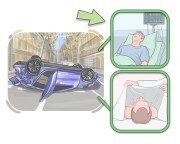
to remain alive after enduring a specific hazardous or critical event

幸存, 生存

幸存, 生存

Ex: Despite the severe injuries from the car accident, she fought through the pain and survived. 

尽管在车祸中受了重伤,她还是忍痛挺了过来,幸存了下来。

关闭
登录
to hide
to hide
[动词]

to keep something in a secret place, preventing it from being seen

隐藏, 藏匿

隐藏, 藏匿

Ex: The detective carefully hides the evidence to protect the case. 

侦探小心地隐藏证据以保护案件。

关闭
登录
to vote
to vote
[动词]

to show which candidate one wants to win in an election or which plan one supports, by marking a piece of paper, raising one's hand, etc.

投票, 表决

投票, 表决

Ex: People often vote for their favorite contestants in reality shows. 

人们经常在真人秀节目中为他们最喜欢的选手投票。

关闭
登录
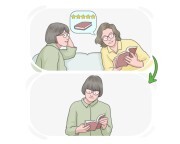
to recommend
to recommend
[动词]

to suggest to someone that something is good, convenient, etc.

推荐, 建议

推荐, 建议

Ex: Right now, the consultant is recommending new strategies for business growth. 

目前,顾问正在推荐新的业务增长策略。

关闭
登录
to hate
to hate
[动词]

to really not like something or someone

讨厌, 恨

讨厌, 恨

Ex: He hates waking up early in the morning. 

他讨厌早上早起。

关闭
登录
to sleep
to sleep
[动词]

to rest our mind and body, with our eyes closed

睡觉, 休息

睡觉, 休息

Ex: I need to sleep early tonight because I have an important meeting tomorrow. 

我今晚需要早睡,因为我明天有一个重要的会议。

关闭
登录
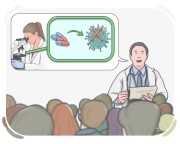
to report
to report
[动词]

to cover or give the details of an event in written or spoken form as a journalist on TV, etc.

报道, 报告

报道, 报告

Ex: Right now, the reporter is reporting live from the scene of the accident. 

现在,记者正在事故现场进行现场报道。

关闭
登录
to prepare
to prepare
[动词]

to make a person or thing ready for doing something

准备, 预备

准备, 预备

Ex: I prepare my resume and cover letter for job applications. 

我为工作申请准备我的简历和求职信。

关闭
登录
to spread
to spread
[动词]

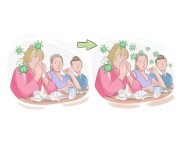
to extend or increase in influence or effect over a larger area or group of people

传播, 扩散

传播, 扩散

Ex: The revolution spread quickly across neighboring countries. 

革命迅速蔓延到邻国。

关闭
登录
to trust
to trust
[动词]

to believe that someone is sincere, reliable, or competent

信任, 信赖

信任, 信赖

Ex: The manager often trusts the team to make informed decisions. 

经理经常信任团队做出明智的决定。

关闭
登录
to force
to force
[动词]

to make someone behave a certain way or do a particular action, even if they do not want to

强迫, 迫使

强迫, 迫使

Ex: Yesterday, he reluctantly forced himself to attend the mandatory training session. 

昨天,他勉强强迫自己参加了强制培训课程。

关闭
登录
to plan
to plan
[动词]

to decide on and make arrangements or preparations for something ahead of time

计划, 准备

计划, 准备

Ex: She planned a surprise party for her friend, coordinating with the guests beforehand. 

她为她的朋友计划了一个惊喜派对,事先与客人协调。

关闭
登录
to visit
to visit
[动词]

to go somewhere because we want to spend time with someone

拜访, 探望

拜访, 探望

Ex: We should visit our old neighbors. 

我们应该拜访我们的老邻居。

关闭
登录
to introduce
to introduce
[动词]

to tell someone our name so they can know us, or to tell them someone else's name so they can know each other, normally happening in the first meeting

介绍

介绍

Ex: Let me introduce you to our new neighbor, Mr. Anderson. 

让我介绍我们的新邻居安德森先生给你认识。

关闭
登录
to calm
to calm
[动词]

to make someone become relaxed and quiet

使平静, 安抚

使平静, 安抚

Ex: The teacher often calms the students before important exams. 

老师经常在重要考试前安抚学生。

关闭
登录
to accept
to accept
[动词]

to say yes to what is asked of you or offered to you

接受, 同意

接受, 同意

Ex: They accepted the offer to stay at the beach house for the weekend. 

他们接受了周末留在海滩别墅的提议。

关闭
登录
to claim
to claim
[动词]

to say that something is the case without providing proof for it

声称, 断言

声称, 断言

Ex: Right now, the marketing campaign is actively claiming the product to be the best in the market. 

目前,营销活动正在积极声称该产品是市场上最好的。

关闭
登录
to appreciate

to be thankful for something

感激, 感谢

感激, 感谢

Ex: The employees often appreciate the flexible work hours. 

员工通常欣赏灵活的工作时间。

关闭
登录
LanGeek
下载LanGeek应用程序