pattern

500 Cele Mai Comune Verbe în Engleză - Top 201 - 225 Verbe

Aici vi se oferă partea a 9-a a listei cu cele mai comune verbe din engleză, cum ar fi "a dori", "a ascunde" și "a urî".

Revizuire

Fișe de studiu

forme

Ortografie

Chestionar
Începe să înveți
Most Common Verbs in English Vocabulary
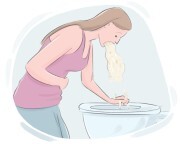
to vomit
to vomit
[verb]

to eject what has been eaten or drunk through the mouth

voma, borî

voma, borî

Ex: She sometimes vomits after eating certain foods. 

Ea vomită uneori după ce mănâncă anumite alimente.

Închide
Conectare
to wish
to wish
[verb]

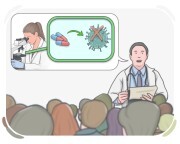
to desire something to occur or to be true even though it is improbable or not possible

dori, visa
dori, visa

Ex: He regularly wishes he could travel the world. 

El dorește în mod regulat să poată călători prin lume.

Închide
Conectare
to prove
to prove
[verb]

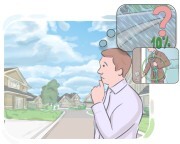
to show that something is true through the use of evidence or facts

dovedi,  demonstra
dovedi, demonstra

Ex: He often proves his point through well-researched arguments. 

El dovedește adesea punctul său prin argumente bine cercetate.

Închide
Conectare
to assume
to assume
[verb]

to think that something is true without having proof or evidence

presupune, considera
presupune, considera

Ex: She often assumes that everyone agrees with her perspective. 

Ea deseori presupune că toată lumea este de acord cu perspectiva ei.

Închide
Conectare
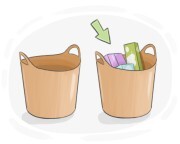
to contain

to have or hold something within or include something as a part of a larger entity or space

conține, include
conține, include

Ex: The box regularly contains various items like books and documents. 

Cutia conține în mod regulat diverse articole precum cărți și documente.

Închide
Conectare
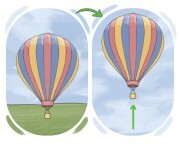
to rise
to rise
[verb]

to move from a lower to a higher position

urca, se ridica
urca, se ridica

Ex: The water level had been rising steadily due to heavy rainfall. 

Nivelul apei crescuse constant din cauza ploilor torențiale.

Închide
Conectare
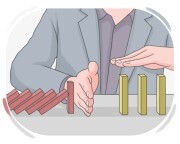
to prevent

to not let someone do something

împiedica, preveni
împiedica, preveni

Ex: The security guard prevented the unauthorized person from entering the building. 

Paznicul a împiedicat persoana neautorizată să intre în clădire.

Închide
Conectare
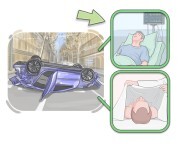
to survive

to remain alive after enduring a specific hazardous or critical event

supraviețui, rezista
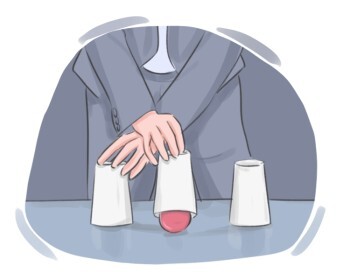
supraviețui, rezista

Ex: After the plane crash, the survivors had to find shelter and food while waiting for rescue, managing to survive against all odds. 

După accidentul aviatic, supraviețuitorii au trebuit să găsească adăpost și hrană în timp ce așteptau salvarea, reușind să supraviețuiască în ciuda tuturor dificultăților.

Închide
Conectare
to hide
to hide
[verb]

to keep something in a secret place, preventing it from being seen

ascunde, disimula
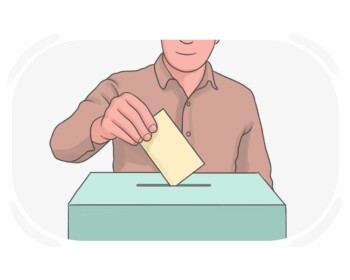
ascunde, disimula

Ex: She hid her diary in a secret drawer to keep it private. 

Ea a ascuns jurnalul într-un sertar secret pentru a-l păstra privat.

Închide
Conectare
to vote
to vote
[verb]

to show which candidate one wants to win in an election or which plan one supports, by marking a piece of paper, raising one's hand, etc.

vota, exprima un vot
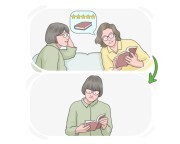
vota, exprima un vot

Ex: Citizens regularly vote in elections to choose their representatives. 

Cetățenii votează regulat la alegeri pentru a-și alege reprezentanții.

Închide
Conectare
to recommend

to suggest to someone that something is good, convenient, etc.

recomanda, sfătui
recomanda, sfătui

Ex: She regularly recommends this book to anyone interested in history. 

Ea recomandă în mod regulat această carte oricui este interesat de istorie.

Închide
Conectare
to hate
to hate
[verb]

to really not like something or someone

urî, detesta
urî, detesta

Ex: Can you please stop making that noise? I hate it. 

Puteți, vă rog, să încetați să faceți acel zgomot? Îl urăsc.

Închide
Conectare
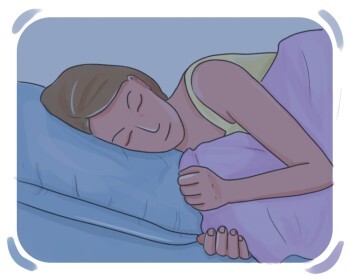
to sleep
to sleep
[verb]

to rest our mind and body, with our eyes closed

a dormi, a se odihni
a dormi, a se odihni

Ex: After a long day of work, I like to relax and sleep to recharge my energy. 

După o zi lungă de muncă, îmi place să mă relaxez și să dorm pentru a-mi reîncărca energia.

Închide
Conectare
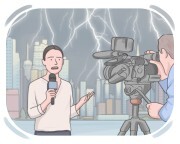
to report
to report
[verb]

to cover or give the details of an event in written or spoken form as a journalist on TV, etc.

raporta, face un reportaj
raporta, face un reportaj

Ex: Journalists regularly report on breaking news stories to keep the public informed. 

Jurnaliștii raportează în mod regulat știri de ultimă oră pentru a ține publicul informat.

Închide
Conectare
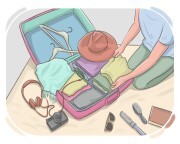
to prepare

to make a person or thing ready for doing something

pregăti, prepara
pregăti, prepara

Ex: He prepares his outfit the night before to save time in the morning. 

El pregătește ținuta cu o seară înainte pentru a economisi timp dimineața.

Închide
Conectare
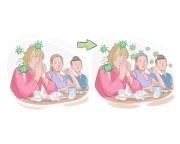
to spread
to spread
[verb]

to extend or increase in influence or effect over a larger area or group of people

răspândi, difuza

răspândi, difuza

Ex: His passion for the project spread to the entire department. 

Pasiunea lui pentru proiect s-a răspândit în întregul departament.

Închide
Conectare
to trust
to trust
[verb]

to believe that someone is sincere, reliable, or competent

a avea încredere, a se încrede

a avea încredere, a se încrede

Ex: She regularly trusts her colleagues to complete tasks efficiently. 

Ea se încrede în mod regulat în colegii săi pentru a finaliza sarcinile eficient.

Închide
Conectare
to force
to force
[verb]

to make someone behave a certain way or do a particular action, even if they do not want to

forța, obliga

forța, obliga

Ex: Yesterday, he reluctantly forced himself to attend the mandatory training session. 

Ieri, s-a forțat cu reticență să participe la sesiunea de formare obligatorie.

Închide
Conectare
to plan
to plan
[verb]

to decide on and make arrangements or preparations for something ahead of time

planifica, pregăti
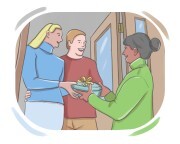
planifica, pregăti

Ex: They planned the trip months in advance to ensure everything was in place. 

Au planificat excursia cu luni înainte pentru a se asigura că totul este la locul său.

Închide
Conectare
to visit
to visit
[verb]

to go somewhere because we want to spend time with someone

a vizita, a face o vizită

a vizita, a face o vizită

Ex: I love to visit my uncle because he tells great stories. 

Îmi place să vizitez unchiul meu pentru că spune povești minunate.

Închide
Conectare
to introduce

to tell someone our name so they can know us, or to tell them someone else's name so they can know each other, normally happening in the first meeting

prezenta

prezenta

Ex: Allow me to introduce my colleague, Mr. Johnson. 

Permiteți-mi să vi-l prezint pe colegul meu, domnul Johnson.

Închide
Conectare
to calm
to calm
[verb]

to make someone become relaxed and quiet

calma, liniști
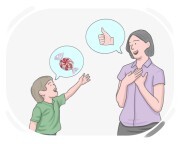
calma, liniști

Ex: After a hectic day, she regularly calms herself by practicing meditation. 

După o zi agitată, ea se calmează în mod regulat practicând meditația.

Închide
Conectare
to accept
to accept
[verb]

to say yes to what is asked of you or offered to you

accepta, admite

accepta, admite

Ex: He accepted the responsibility of caring for the dog. 

El a acceptat responsabilitatea de a avea grijă de câine.

Închide
Conectare
to claim
to claim
[verb]

to say that something is the case without providing proof for it

pretinde, susține
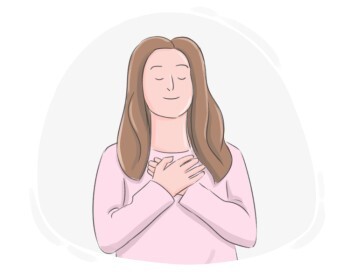
pretinde, susține

Ex: The controversial article regularly claims that a UFO sighting occurred last night. 

Articolul controversat susține în mod regulat că a avut loc o observație UFO noaptea trecută.

Închide
Conectare
to appreciate

to be thankful for something

aprecia, a fi recunoscător pentru

aprecia, a fi recunoscător pentru

Ex: She regularly appreciates the support of her friends during challenging times. 

Ea apreciază în mod regulat sprijinul prietenilor ei în timpuri dificile.

Închide
Conectare
LanGeek
Descarcă aplicația LanGeek