
El libro Interchange - Intermedio - Unidad 11 - Parte 1
Aquí encontrarás el vocabulario de la Unidad 11 - Parte 1 del libro de curso Interchange Intermediate, como "resistir", "inspiración", "valor", etc.
Revisión
Tarjetas de memoria
Ortografía
Cuestionario

important or good enough to be treated or viewed in a particular way

valer
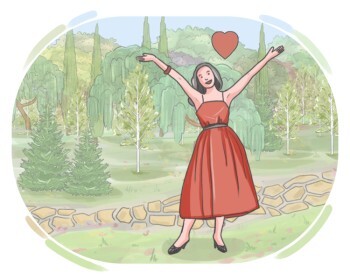
extremely surprising, particularly in a good way
asombroso, increíble
La vista desde la cima de la montaña era increíble, con bosques interminables abajo.
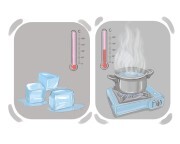
something that is known to be true or real, especially when it can be proved
hecho
something such as a building, tree, etc. that is easy to recognize, which we can use to know where we are
punto de referencia
El faro histórico en la costa rocosa guió a los marineros de manera segura a la orilla durante siglos, lo que lo convierte en un hito marítimo vital.
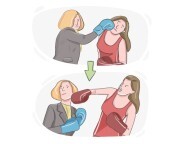
to use force to prevent something from happening or to fight against an attack
resistir
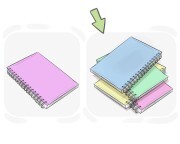
used to refer to a number of things or people, more than two but not many
varios
El museo exhibió varias pinturas de artistas famosos del período del Renacimiento.
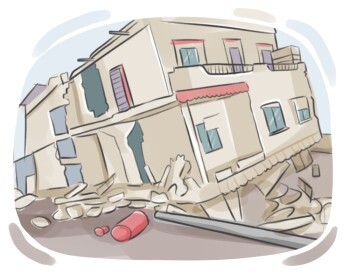
the sudden movement and shaking of the earth's surface, usually causing damage
terremoto
El terremoto provocó una alerta de tsunami.

a tall and often narrow building that stands alone or is part of a castle, church, or other larger buildings
torre
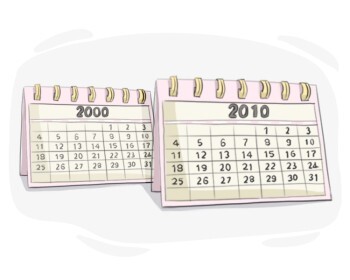
ten years of time
década

a particular variation of a color
tono, matiz
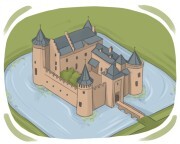
a large and strong building that is protected against attacks, in which the royal family lives
castillo
an original idea, creation, or result produced by creative thought
inspiración
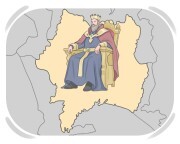
an area or territory that is governed by a king or queen
reino

the quality of being attractive or pleasing, particularly to the eye
belleza, hermosura
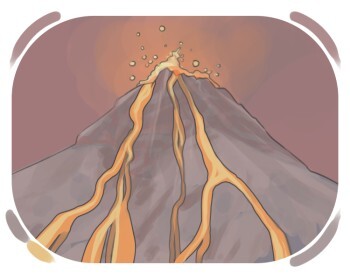
a mountain with an opening on its top, from which melted rock and ash can be pushed out into the air
volcán
La erupción del volcán fue una de las más destructivas de la historia.
the sudden outburst of lava and steam from a volcanic mountain
erupción
La erupción del Monte Vesubio en el año 79 d.C. enterró la ciudad de Pompeya bajo cenizas.

a metal cup-shaped object with a separate piece of metal hanging inside that makes a ringing noise when it moves
campana
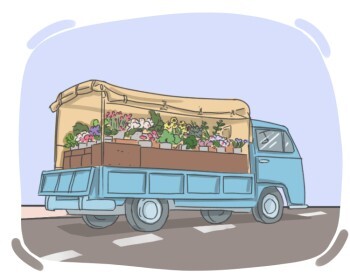
to send goods or individuals from one place to another using some form of transportation
enviar
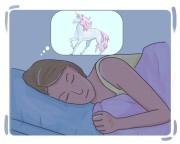
a series of images, feelings, or events happening in one's mind during sleep
sueño
a quality or feature that makes someone or something interesting, appealing, or desirable

an electronic device with a screen that receives television signals, on which we can watch programs
televisión
the grammatical voice in which the subject receives or is affected by the action of the verb
pasiva
the grammatical voice in which the subject performs or initiates the action of the verb
activo
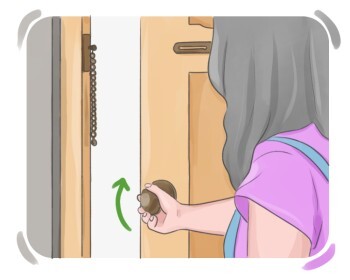
to move something like a window or door into a position that people, things, etc. can pass through or use
abrir
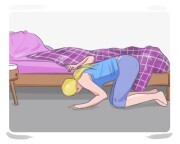
to search and discover something or someone that we have lost or do not know the location of
encontrar
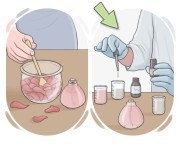
created by humans rather than occurring naturally in the environment
artificial, hecho por el hombre
El puente está hecho de materiales artificiales.

to be an image, sign, symbol, etc. of something
representar, simbolizar

a feeling of admiration or surprise caused by something that is very unusual and exciting
asombro
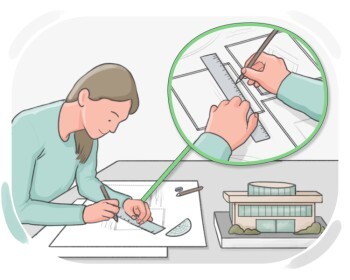
a person whose job is to design buildings and often oversee their construction
arquitecto
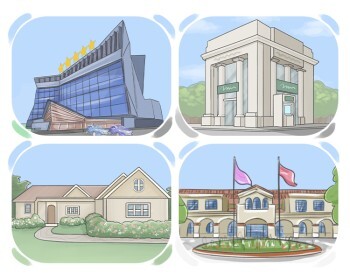
anything that is built from several parts, such as a house, bridge, etc.
estructura
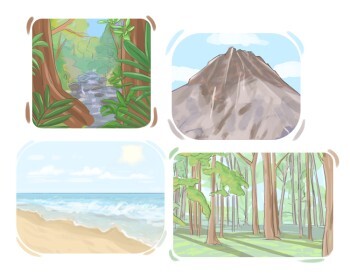
everything that exists or happens on the earth, excluding things that humans make or control
naturaleza
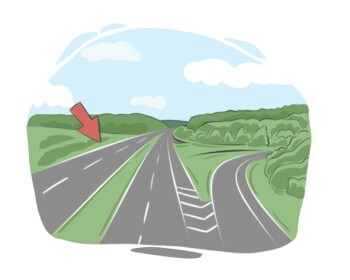
in or along a direct line, without bending or deviation
derecho
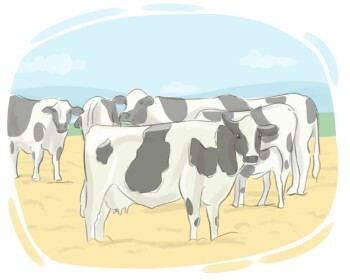
large domesticated animals including cows, bulls, and steers, kept especially for milk or meat
ganado
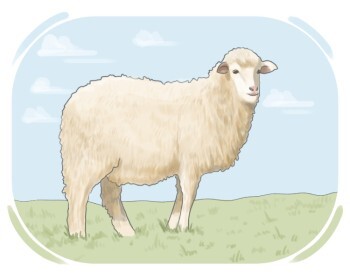
a farm animal that we keep to use its meat or wool
oveja
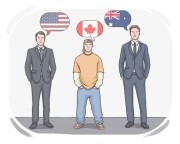
the spoken form of a language specific to a certain region or people which is slightly different from the standard form in words and grammar
dialecto
Los dialectos sociales, como los sociolectos y los etnolectos, pueden estar influenciados por factores como la clase social, la etnia o el nivel educativo.
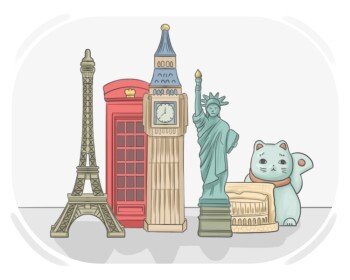
something that we usually buy and bring back for other people from a place that we have visited on vacation
recuerdo
Compraron réplicas en miniatura de la Torre Eiffel como recuerdos para sus compañeros de trabajo después de su viaje a Francia.
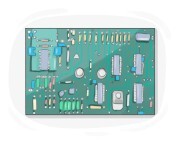
(of a device) having very small parts such as chips and obtaining power from electricity
electrónico
Pasa horas cada día jugando en su consola de juegos electrónica.
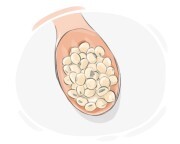
a type of plant in the legume family that is high in protein and used in a variety of foods such as tofu and soy milk
soja, frijol de soja
Muchos productos vegetarianos están hechos de soja.

an object made by hand rather than one manufactured by a machine
artesanía, objeto artesanal
Ella compró una artesanía de madera como recuerdo del mercado local.
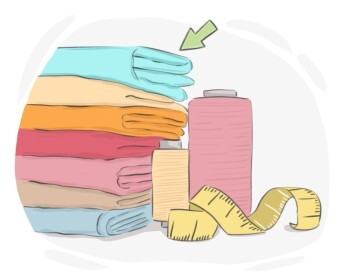
cloth or fabric produced by weaving, knitting, felting, or similar processes
textil, tela, tejido
| El libro Interchange - Intermedio | |||
|---|---|---|---|
| Unidad 10 - Parte 2 | Unidad 11 - Parte 1 | Unidad 11 - Parte 2 | Unidad 12 |
| Unidad 13 - Parte 1 | Unidad 13 - Parte 2 | Unidad 14 - Parte 1 | Unidad 14 - Parte 2 |
| Unidad 15 | Unidad 16 - Parte 1 | Unidad 16 - Parte 2 | |
