
Könyv: Interchange - Haladó - 11. egység - 1. rész
Itt találod a 11. egység - 1. rész szókincsét az Interchange Intermediate tankönyvből, mint például "ellenáll", "ihlet", "érték" stb.
Ismétlés
Tanulókártyák
Betűzés
Kvíz

important or good enough to be treated or viewed in a particular way

értékes,méltó
A megújuló energiaforrásokba történő befektetés érdemes a hosszú távú környezeti előnyei miatt.
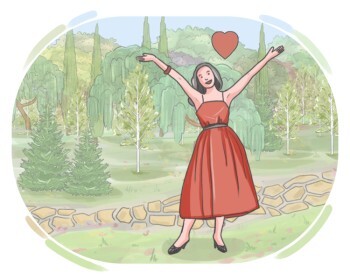
extremely surprising, particularly in a good way
csodálatos,lenyűgöző
Egy csodálatos tortát sütött a barátnője születésnapi bulijára.
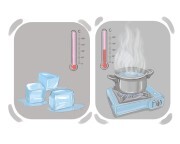
something that is known to be true or real, especially when it can be proved
tény,valóság
A történelmi tények értékes betekintést nyújtanak a múltbeli eseményekbe.
something such as a building, tree, etc. that is easy to recognize, which we can use to know where we are
tájékozódási pont,műemlék
A sziklás parton álló történelmi világítótorony évszázadokon át biztonságosan vezette a tengerészeket a partra, ami létfontosságú tengeri tájékozódási ponttá tette.
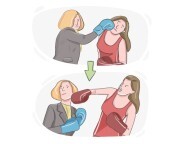
to use force to prevent something from happening or to fight against an attack
ellenáll,ellenállást fejt ki
Azért vádolták meg, hogy ellenállt a letartóztatásnak, miután verekedett a rendőrökkel, akik megpróbálták őt elfogni.
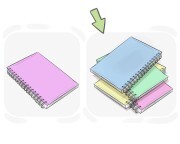
used to refer to more than two but not very many people or things
used to refer to more than two but not very many people or things
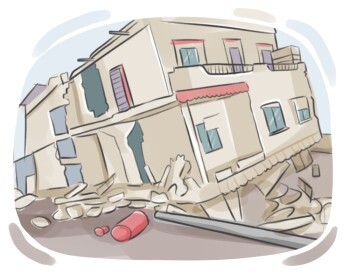
the sudden movement and shaking of the earth's surface, usually causing damage
földrengés,rengés
A földrengés cunamifigyelmeztetést váltott ki.
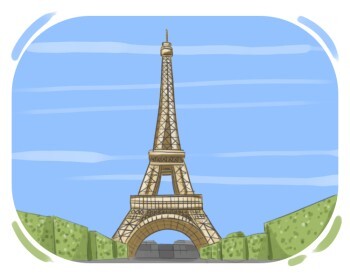
a tall and often narrow building that stands alone or is part of a castle, church, or other larger buildings
torony,harangtorony
A torony egy nagy óra tartására épült.
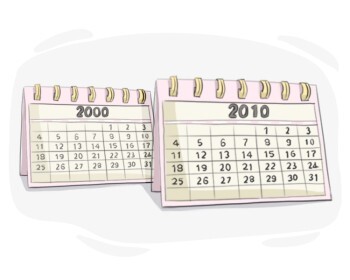
ten years of time
évtized
Az elmúlt évtizedben a város lakossága megduplázódott.

a particular variation of a color
árnyalat, színárnyalat
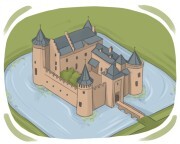
a large and strong building that is protected against attacks, in which the royal family lives
kastély,vár
A nyári szünetben a család több várat látogatott meg Európa szerte, mindegyik a saját egyedi történetével.
an original idea, creation, or result produced by creative thought
inspiráció, ihlet
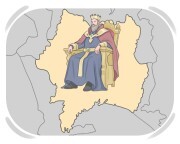
an area or territory that is governed by a king or queen
királyság,uralom
A királyság határai hódítással és diplomáciával bővültek a uralkodó uralma alatt.

the quality of being attractive or pleasing, particularly to the eye
szépség,báj
A kert szépségét fokozták a virágzó virágok.
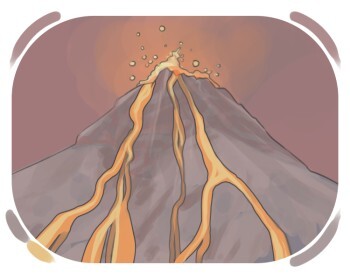
a mountain with an opening on its top, from which melted rock and ash can be pushed out into the air
vulkán,vulkáni hegy
A sziget otthont ad egy aktív vulkánnak.
the sudden outburst of lava and steam from a volcanic mountain
kitörés,vulkáni kitörés
A Vezúv kitörése Kr.u. 79-ben hamu alá temette Pompeii városát.
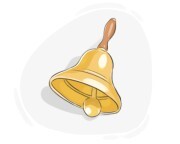
a metal cup-shaped object with a separate piece of metal hanging inside that makes a ringing noise when it moves
harang
Az esemény során egy nagy harangot szólaltattak meg, hogy jelezzék minden új tevékenység kezdetét.
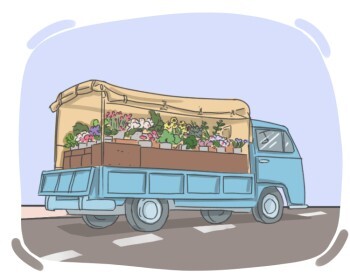
to send goods or individuals from one place to another using some form of transportation
szállít,kiszállít
Az online kiskereskedő közvetlenül a raktárból szállítja az árukat az ügyfél ajtajához.
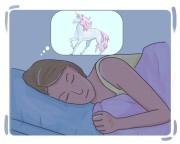
a series of images, feelings, or events happening in one's mind during sleep
álom
Az álmában újra együtt volt régi barátaival, akiket évek óta nem látott.
a quality or feature that makes someone or something interesting, appealing, or desirable
vonzerő, attrakció

an electronic device with a screen that receives television signals, on which we can watch programs
televízió,tévékészülék
A televízió ki volt kapcsolva vacsora közben.
the grammatical voice in which the subject receives or is affected by the action of the verb
szenvedő, passzív
the grammatical voice in which the subject performs or initiates the action of the verb
cselekvő ige,aktív
A diákok gyakorolták a mondatok aktív szerkezetbe való átírását.
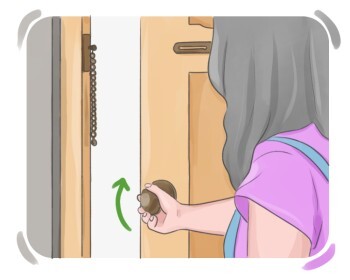
to move something like a window or door into a position that people, things, etc. can pass through or use
kinyit,kinyit
Ő kinyitotta az ajtót és üdvözölte vendégeit bent.
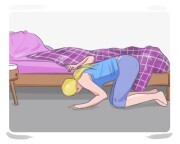
to search and discover something or someone that we have lost or do not know the location of
megtalálni,felfedezni
Azt mondja, hogy sehol sem találja a telefonját, de én nem hiszek neki.
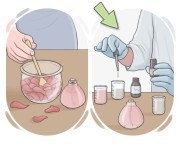
created by humans rather than occurring naturally in the environment
mesterséges,ember által készített
A tudósok mind a természetes, mind az ember által okozott katasztrófákat tanulmányozzák.

to be an image, sign, symbol, etc. of something
képvisel,szimbolizál
A tér szobra régóta a szabadságot képviseli.

a feeling of admiration or surprise caused by something that is very unusual and exciting
csodálat,ámulat
Csodálattal nézte az ősi romokat, elámulva a történelmükön.
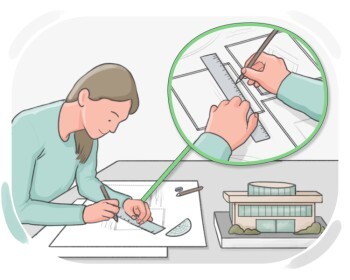
a person whose job is to design buildings and often oversee their construction
építész, tervező
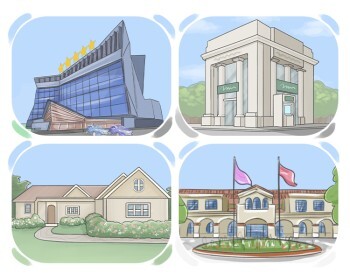
anything that is built from several parts, such as a house, bridge, etc.
szerkezet, építmény
Egy kaptár egy figyelemre méltó természetes szerkezet, amelyet a méhek hoznak létre.
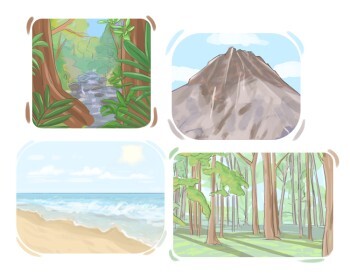
everything that exists or happens on the earth, excluding things that humans make or control
természet,természetes környezet
Szeretek időt tölteni a természetben, fákkal, virágokkal és friss levegővel körülvéve.
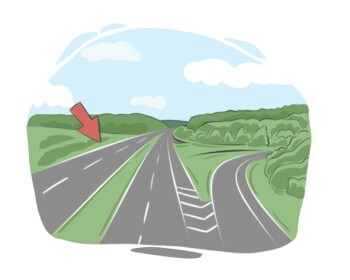
in or along a direct line, without bending or deviation
egyenesen,közvetlenül
Egyenesen a cél közepébe dobta a dartot tökéletes célozással.
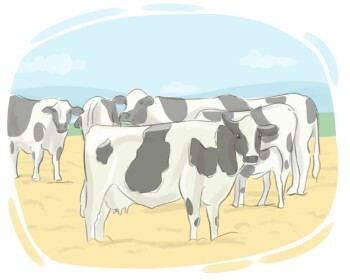
large domesticated animals including cows, bulls, and steers, kept especially for milk or meat
szarvasmarha, jószág
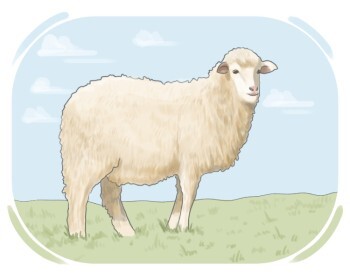
a farm animal that we keep to use its meat or wool
juh,kos
Látogattam egy farmot és láttam egy juhot, ahogy szoptatja újszülött bárányait.

the spoken form of a language specific to a certain region or people which is slightly different from the standard form in words and grammar
nyelvjárás,tájszólás
A társadalmi nyelvjárások, például a szociolektusok és az etnolektusok, befolyásolhatók olyan tényezők által, mint a társadalmi osztály, az etnikum vagy az iskolai végzettség.
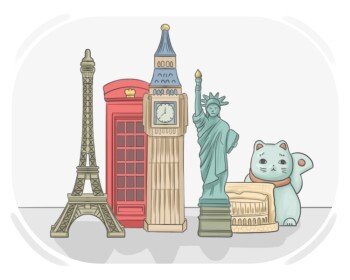
something that we usually buy and bring back for other people from a place that we have visited on vacation
emlék,szuvenír
Kagylókat gyűjtött a strandon, tengerparti nyaralásának emlékeként.
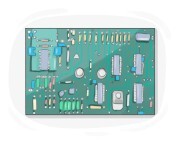
(of a device) having very small parts such as chips and obtaining power from electricity
elektronikus
A cég fejlett elektronikus zárakkal és megfigyelő kamerákkal frissítette biztonsági rendszerét.
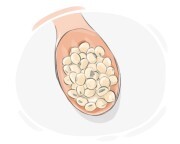
a type of plant in the legume family that is high in protein and used in a variety of foods such as tofu and soy milk
szójabab,szója
A szójabab a tofu és a szójatej alapvető összetevője.
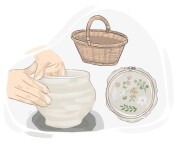
an object made by hand rather than one manufactured by a machine
kézművesség,kézzel készített tárgy
A vásár minden egyes kézművessége egyedi volt, tükrözve az iparos kreativitását és készségét.

cloth or fabric produced by weaving, knitting, felting, or similar processes
textil
| Könyv: Interchange - Haladó | |||
|---|---|---|---|
| Egység 10 - 2. rész | 11. egység - 1. rész | 11. Egység - 2. Rész | Egység 12 |
| Egység 13 - 1. rész | Egység 13 - 2. rész | Egység 14 - 1. rész | Egység 14 - 2. rész |
| Egység 15 | Egység 16 - 1. rész | Egység 16 - 2. rész | |
