pattern

El libro Total English - Pre-intermedio - Unidad 1 - Referencia

Aquí encontrarás el vocabulario de la Unidad 1 - Referencia en el libro de curso Total English Pre-Intermediate, como "siesta", "rutina", "perezoso", etc.

Revisión

Tarjetas de memoria

formas

Ortografía

Cuestionario

Empezar a aprender
Total English - Pre-intermediate
usually
usually
[Adverbio]

in most situations or under normal circumstances

normalmente
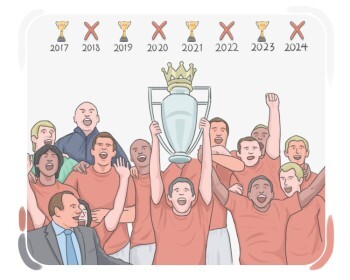
normalmente

Ex: We usually have a family gathering on Thanksgiving. 
sometimes
sometimes
[Adverbio]

on some occasions but not always

a veces

a veces

Ex: They sometimes play board games as a family. 
hardly ever
hardly ever
[Adverbio]

in a manner that almost does not occur or happen

casi nunca, raramente

casi nunca, raramente

Ex: He hardly ever arrives late to meetings. 

Casi nunca llega tarde a las reuniones.
never
never
[Adverbio]

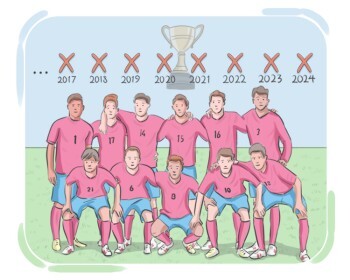
not at any point in time

nunca, jamás
nunca, jamás

Ex: I never thought I'd see such a beautiful sunset. 
to believe
to believe
[Verbo]

to accept something to be true even without proof

creer

creer

Ex: I find it hard to believe that she won the lottery twice in a row. 
to hate
to hate
[Verbo]

to really not like something or someone

odiar

odiar

Ex: I hate spicy food because it burns my mouth. 
to know
to know
[Verbo]

to have some information about something

saber

saber

Ex: He knows that he needs to study more for the exam. 
to like
to like
[Verbo]

to feel that someone or something is good, enjoyable, or interesting

gustar

gustar

Ex: I like the idea of living in a big city. 
to love
to love
[Verbo]

to have very strong feelings for someone or something that is important to us and we like a lot and want to take care of

querer
querer

Ex: She knew he was the one she loved when he supported her through a difficult time. 
to need
to need
[Verbo]

to want something or someone that we must have if we want to do or be something

necesitar

necesitar

Ex: She needs a ride to the airport tomorrow. 
to prefer
to prefer
[Verbo]

to want or choose one person or thing instead of another because of liking them more

preferir
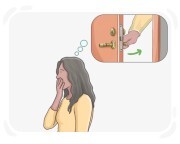
preferir

Ex: He prefers spending his weekends reading a good book rather than going to crowded events. 
to remember

to bring a type of information from the past to our mind again

recordar, acordarse de

recordar, acordarse de

Ex: I remember the smell of freshly baked cookies in my grandmother's kitchen. 
to understand

to know something's meaning, particularly something that someone says

entender

entender

Ex: He didn't understand the contract he was agreeing to. 
to want
to want
[Verbo]

to wish to do or have something

querer

querer

Ex: Jane wanted to learn how to play the guitar, so she took lessons. 
routine
routine
[Sustantivo]

a set of actions or behaviors that someone does regularly or habitually

rutina, costumbre

rutina, costumbre

Ex: The teacher started the class with her usual routine. 
to chat
to chat
[Verbo]

to exchange messages with someone through an online service or app

chatear

chatear

Ex: Jake was chatting with a friend when his phone battery died. 
exercise
exercise
[Sustantivo]

a mental or physical activity that helps keep our mind and body healthy

ejercicio

ejercicio

Ex: The doctor recommended more cardio exercise in my routine. 
lie-in
lie-in
[Sustantivo]

a period of time spent resting or sleeping in bed beyond one's usual waking time, often done for the purpose of getting additional rest or relaxation

dormir hasta tarde, levantarse tarde

dormir hasta tarde, levantarse tarde

Ex: I always enjoy a lie-in on Sunday mornings. 

Siempre disfruto de una dormida los domingos por la mañana.

nap
nap
[Sustantivo]

a short period of sleep, typically taken during the day to refresh or rest

siesta, cabezada

siesta, cabezada

Ex: He felt so refreshed after a short nap that he was able to tackle his to-do list with renewed vigor. 

Se sintió tan renovado después de una breve siesta que pudo abordar su lista de tareas con renovado vigor.

take-away
take-away
[Adjetivo]

(of food or drink) sold to someone for eating or drinking outside the place it is bought from

para llevar, para consumir fuera

para llevar, para consumir fuera

Ex: We picked up some Chinese take-away on the way home. 

Recogimos algo de comida para llevar china de camino a casa.
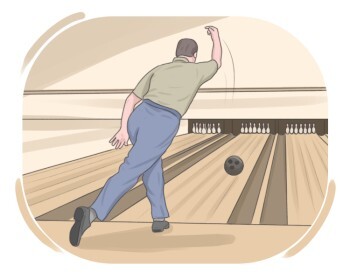
bowling
bowling
[Sustantivo]

a sport or game in which a player rolls a ball down a lane with the aim of knocking over as many pins as possible at the other end of the lane

bolos, boliche

bolos, boliche

Ex: She enjoys bowling with friends at the local alley. 

A ella le gusta jugar a los bolos con amigos en el local.

clubbing
clubbing
[Sustantivo]

the act or activity of frequently hanging out in nightclubs

ir de discotecas

ir de discotecas

Ex: After a long week, they like to go clubbing to unwind and enjoy the nightlife. 

Después de una larga semana, les gusta ir de marcha para relajarse y disfrutar de la vida nocturna.
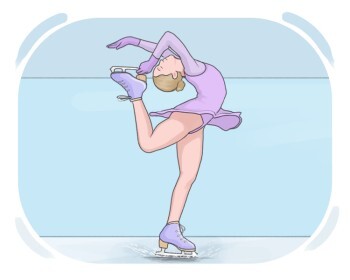
ice skating
ice skating
[Sustantivo]

the sport or activity of moving on ice with ice skates

patinaje sobre hielo

patinaje sobre hielo

Ex: He took up ice skating as a hobby and spends his weekends practicing jumps and spins at the local ice rink. 

Tomó el patinaje sobre hielo como hobby y pasa sus fines de semana practicando saltos y giros en la pista de hielo local.
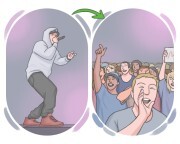
concert
concert
[Sustantivo]

a public performance of music by singers or instrumentalists

concierto
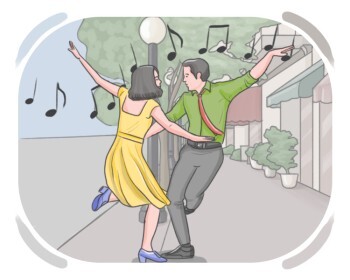
concierto

Ex: Daniel bought two tickets for the concert. 
musical
musical
[Sustantivo]

any theatrical performance that combines singing, dancing, and acting to tell a story

musical
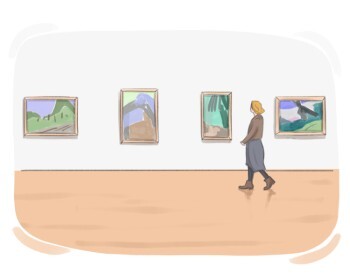
musical

Ex: After watching the musical, I found myself humming the catchy songs long after the curtain had fallen. 
exhibition
exhibition
[Sustantivo]

a public event at which paintings, photographs, or other things are shown

exposición
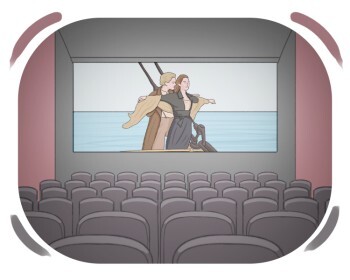
exposición

Ex: The annual exhibition of local crafts attracts thousands of visitors each year. 
cinema
cinema
[Sustantivo]

a building where people go to watch films

cine

cine

Ex: They met outside the cinema before the movie started. 
theater
theater
[Sustantivo]

a place, usually a building, with a stage where plays and shows are performed

teatro

teatro

Ex: The theater downtown is putting on a Shakespeare production. 
boring
boring
[Adjetivo]

making us feel tired and unsatisfied because of not being interesting

aburrido
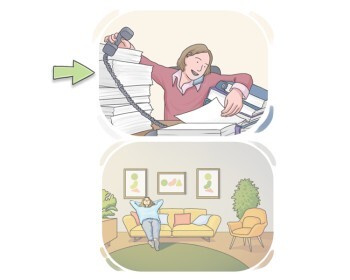
aburrido

Ex: The lecture was so boring that several students left early. 
busy
busy
[Adjetivo]

having so many things to do in a way that leaves not much free time

ocupado

ocupado

Ex: In the bustling city, people are constantly busy with work, errands, and social commitments. 
exciting
exciting
[Adjetivo]

making us feel interested, happy, and energetic

emocionante

emocionante

Ex: The fireworks display was really exciting and lit up the whole sky. 

El espectáculo de fuegos artificiales fue realmente emocionante e iluminó todo el cielo.

fun
fun
[Adjetivo]

providing entertainment or amusement

divertido, entretenido
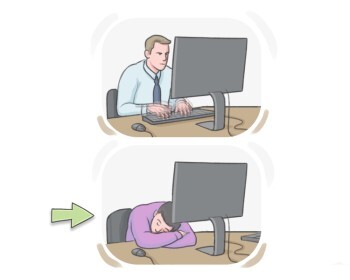
divertido, entretenido

Ex: Going for a hike in the mountains can be a fun adventure. 
lazy
lazy
[Adjetivo]

avoiding work or activity and preferring to do as little as possible

perezoso, vago

perezoso, vago

Ex: Rather than cooking a meal, he opted for takeout because he was feeling too lazy to cook. 

En lugar de cocinar una comida, optó por la comida para llevar porque se sentía demasiado perezoso para cocinar.

relaxing
relaxing
[Adjetivo]

helping our body or mind rest

relajante

relajante

Ex: Going for a leisurely walk in nature can be relaxing and rejuvenating. 

Dar un paseo tranquilo por la naturaleza puede ser relajante y rejuvenecedor.
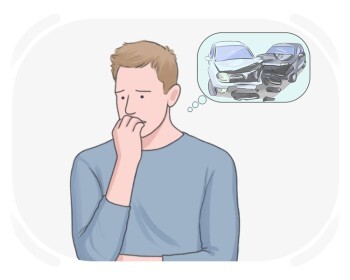
stressful
stressful
[Adjetivo]

causing mental or emotional strain or worry due to pressure or demands

estresante

estresante

Ex: Moving to a new city can be stressful, especially when you don't know anyone. 

Mudarse a una nueva ciudad puede ser estresante, especialmente cuando no conoces a nadie.

unusual
unusual
[Adjetivo]

not commonly happening or done

inusual

inusual

Ex: The concert started at an unusual time, late in the afternoon. 

El concierto comenzó a una hora inusual, al final de la tarde.
at once
at once
[Adverbio]

immediately or without delay

inmediatamente, de inmediato

inmediatamente, de inmediato

Ex: The emergency team was dispatched at once to the accident site. 

El equipo de emergencia fue enviado de inmediato al lugar del accidente.
at the same time

in a manner where two or more things happen together

al mismo tiempo

al mismo tiempo

Ex: The alarm clock and the phone rang at the same time. 

El despertador y el teléfono sonaron al mismo tiempo.

at the moment

at the same time as what is being stated

Ex: He doesn’t feel like talking at the moment. 
LanGeek
Descargar la aplicación LanGeek