
El libro Total English - Intermedio Alto - Unidad 7 - Referencia - Parte 2
Aquí encontrarás el vocabulario de la Unidad 7 - Referencia - Parte 2 del libro de curso Total English Upper-Intermediate, como "treat", "spoil", "gourmet", etc.
Revisión
Tarjetas de memoria
formas
Ortografía
Cuestionario
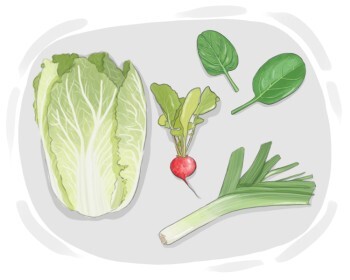
a plant or a part of it that we can eat either raw or cooked

verdura
Siempre empiezo mi día con una nutritiva tortilla de verduras rellena de espinacas, tomates y champiñones.
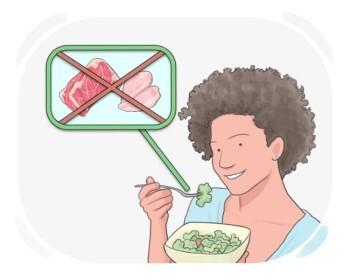
someone who avoids eating meat
vegetariano
Él ha sido vegetariano durante años y disfruta experimentando con recetas a base de plantas en casa.
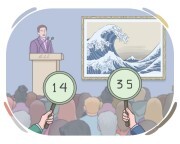
to offer a particular price for something, usually at an auction
hacer una oferta
En la subasta benéfica, pujaron por la oportunidad de cenar con el famoso autor.
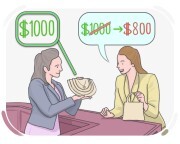
to negotiate, typically over the price of goods or services
regatear
En algunas culturas, se espera que los clientes regateen los precios cuando compran ciertos artículos.

to negotiate the terms of a contract, sale, or similar arrangement for a better agreement, price, etc.
regatear
Los compradores en el mercado a menudo intentan regatear para obtener precios más bajos en productos como artesanías o ropa.
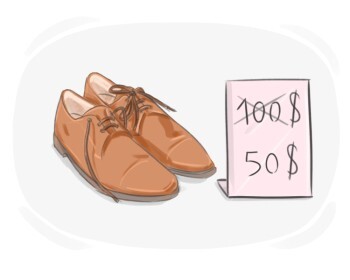
the act of reducing the usual price of something
descuento, rebaja
Durante la venta de vacaciones, muchos artículos estaban disponibles con un descuento significativo, atrayendo a una gran multitud de compradores.

an amount of money that is paid back because of returning goods to a store or one is not satisfied with the goods or services
reembolso
Después de devolver el artículo dañado, obtuvo un reembolso en su tarjeta de crédito.
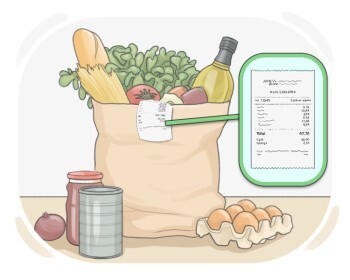
a written or printed document that shows the payment for a set of goods or services has been made
recibo
Ella revisó el recibo para asegurarse de que le cobraron correctamente.

to be able to pay the cost of something
permitirse
Los individuos pueden permitirse la educación a través de varias estrategias de planificación financiera.

important or good enough to be treated or viewed in a particular way
valer
La inversión en fuentes de energía renovable vale la pena perseguir por sus beneficios ambientales a largo plazo.
to treat someone with excessive indulgence or favoritism
mimar, consentir
Si mimas demasiado al perro, nunca aprenderá el comportamiento adecuado.

to allow oneself to do or have something that one enjoys, particularly something that might be bad for one
consentir
Les gusta darse el lujo de un día de spa lujoso de vez en cuando para relajarse y desconectar.
to treat someone with extra care, attention, and comfort, often with the intention of making them feel good or relaxed
mimar, consentir
Disfruta mimar a su novia con cenas románticas y regalos considerados.

to deal with or behave toward someone or something in a particular way
tratar
Ella lo trató con desconfianza después del malentendido.
to continue without stopping
seguir
El profesor animó a los estudiantes a seguir con su lectura, incluso si se encontraban con palabras difíciles.
a short period of time during which someone spends a significant amount of money, often on a variety of items or experiences
frenesí de gastos, orgía de gastos
Un frenesí de gastos repentino puede llevar a problemas financieros.

the characteristic of being exceptionally expensive, offering superior quality and exclusivity
lujo
El lujo del bolso se reflejaba en su intrincado diseño y su alto precio.

the fact that something must happen or is needed
necesidad
Para la finalización exitosa de un proyecto, cumplir con los plazos es una necesidad para mantener el flujo de trabajo en el camino correcto.

in a manner that is too extreme or exaggerated
exagerado, pasado de rosca
La película fue divertida, pero el final fue exagerado.
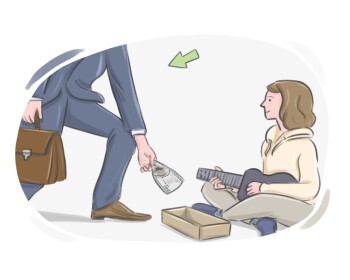
generous in giving or expressing
espléndido
Ella le dio un regalo generoso para celebrar su ascenso.
(of food or drink) high quality, rare, or exotic, with an emphasis on flavor, presentation, and culinary expertise, often associated with sophisticated or refined taste
gourmet, exquisito
La panadería vende chocolates gourmet con sabores únicos.
costing a lot of money, more than the necessary or affordable amount
derrochador, despilfarrador
Las suites extravagantes del hotel ofrecían vistas impresionantes y un servicio de mayordomo personalizado.

beyond what is considered normal or socially acceptable
excesivo
La velocidad excesiva del coche llevó a una multa por exceso de velocidad considerable.
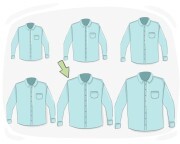
(of a size) larger than large, often used for clothing, packaging, or other items
extra grande, extra large
Ella prefiere los suéteres extra grandes para un ajuste holgado y cómodo.
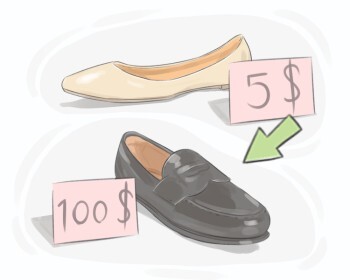
expensive in way that is not reasonable
demasiado caro, sobrevalorado
La estancia en el hotel parecía demasiado cara dadas sus malas instalaciones.
not probable and difficult to believe
inverosímil, rebuscado
Desestimaron las afirmaciones descabelladas como meras especulaciones sin evidencia.

to wake up later than one intended to
quedarse dormido, no despertarse a tiempo
Después de una noche tarde, es fácil quedarse dormido accidentalmente al día siguiente.
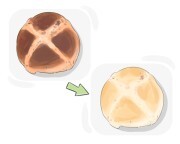
to cook food for less time than necessary
cocinar insuficientemente, no cocinar lo suficiente
Le advirtieron que no cocinara menos de lo necesario el pescado por razones de seguridad.

boring because of being the same thing all the time
monótono
El paisaje monótono del desierto parecía extenderse para siempre sin ningún rasgo notable.
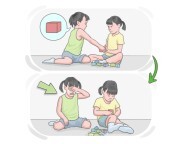
(of a person) displaying a childish behavior due to being treated very well or having been given everything they desired in the past
mimado, consentido
La adolescente mimada esperaba que sus padres le compraran el último teléfono sin siquiera pedirlo.
