pattern

本 Total English - 中上級 - ユニット7 - 参照 - パート2

ここでは、Total English Upper-Intermediate教科書のユニット7 - リファレンス - パート2からの語彙を見つけることができます。例えば、"treat"、"spoil"、"gourmet"などです。

レビュー

フラッシュカード

語形

綴り

クイズ
学習を開始
Total English - Upper-intermediate
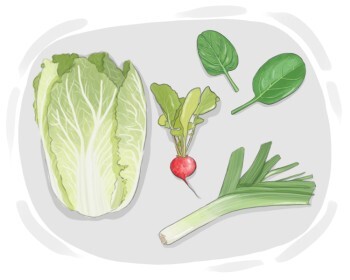
vegetable
vegetable
[名詞]

a plant or edible part of a plant that is eaten as food
Ex: Emma chopped the vegetables for the soup. 
vegetarian
vegetarian
[名詞]

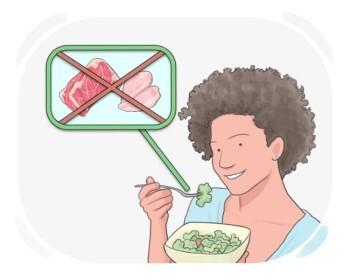
someone who avoids eating meat

ベジタリアン, 菜食主義者

ベジタリアン, 菜食主義者

Ex: She became a vegetarian after learning about the environmental and ethical implications of meat consumption. 

肉の消費が環境と倫理に与える影響を知った後、彼女はベジタリアンになりました。
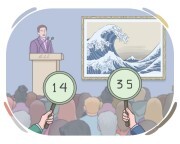
to bid
to bid
[動詞]

to offer a particular price for something, usually at an auction

入札する, 値をつける
入札する, 値をつける

Ex: The buyer bid for several vintage cars, but only won one of the auctions. 
to haggle
to haggle
[動詞]

to negotiate, typically over the price of goods or services

値切る, 交渉する

値切る, 交渉する

Ex: I don’t like to haggle; I prefer paying the price listed. 

私は値引き交渉をするのが好きではありません。表示されている価格を支払うことを好みます。

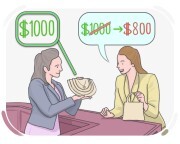
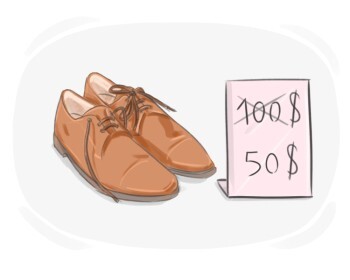
to bargain
to bargain
[動詞]

to discuss the terms or price of an agreement in order to obtain more favorable conditions

値切る,  交渉する
値切る, 交渉する

Ex: Emma bargained with the seller over the price of the rug. 
discount
discount
[名詞]

the act of reducing the usual price of something

割引, 値引き

割引, 値引き

Ex: The online retailer provided a discount code that allowed customers to save money on their orders. 
refund
refund
[名詞]

an amount of money that is paid back because of returning goods to a store or one is not satisfied with the goods or services

返金, 払い戻し

返金, 払い戻し

Ex: She received a full refund after returning the defective shoes. 

彼女は欠陥のある靴を返品した後、全額返金を受け取りました。

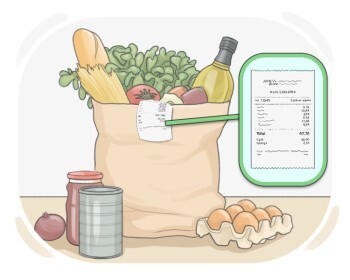
receipt
receipt
[名詞]

a written or electronic record showing that money, goods, or services have been received or paid for

Ex: Keep the receipt in case you need to return the jacket. 
to afford
to afford
[動詞]

to be able to pay the cost of something

購入できる, 支払う余裕がある

購入できる, 支払う余裕がある

Ex: The goal is to afford essential needs and still have room for savings and leisure activities. 
worth
worth
[形容詞]

important or good enough to be treated or viewed in a particular way

価値がある, ふさわしい

価値がある, ふさわしい

Ex: The concert was worth attending, even with the high ticket prices. 
to spoil
to spoil
[動詞]

to give someone everything they want, often making them badly behaved or overly demanding

甘やかす

甘やかす

Ex: His grandparents tend to spoil him whenever he visits. 
to indulge
to indulge
[動詞]

to allow oneself to do or have something that one enjoys, particularly something that might be bad for one

ふける, 楽しむ

ふける, 楽しむ

Ex: She decided to indulge in a piece of chocolate cake as a treat. 

彼女はご褒美としてチョコレートケーキを一切れ堪能することに決めた。

to pamper
to pamper
[動詞]

to treat someone with extra care, attention, and comfort, often with the intention of making them feel good or relaxed

甘やかす, 大切にする

甘やかす, 大切にする

Ex: She decided to pamper herself with a relaxing spa day after a long week at work. 

彼女は長い仕事の週の後、リラックスできるスパの日で自分を甘やかすことに決めました。
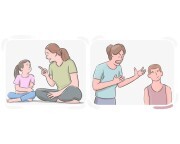
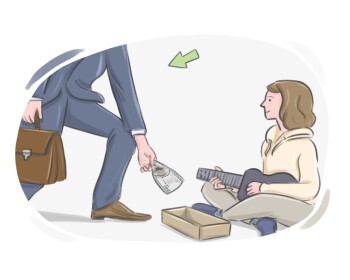
to treat
to treat
[動詞]

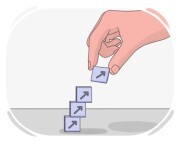
to deal with or behave toward someone or something in a particular way

扱う, 接する
扱う, 接する

Ex: She always treats her friends with kindness and respect. 
to go on
to go on
[動詞]

to continue without stopping

止まらず続ける, そのまま進み続ける

止まらず続ける, そのまま進み続ける

Ex: The marathon runners were determined to go on despite the rain. 

マラソンランナーは雨にもかかわらず進み続けることを決意していた。

spending spree

a short period of time during which someone spends a significant amount of money, often on a variety of items or experiences

散財癖, 浪費スパree

散財癖, 浪費スパree

Ex: After receiving his bonus, he went on a spending spree. 

ボーナスを受け取った後、彼は散財ざんまいに出かけた。

luxury
luxury
[名詞]

a pleasant advantage, freedom, or opportunity that is not usually available

贅沢,  特権

贅沢, 特権

Ex: Working from home gives Maya the luxury of setting her own schedule. 
necessity
necessity
[名詞]

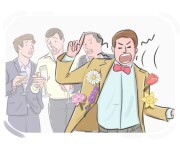
the fact or condition of being required or unavoidable

必要性,  必然性
必要性, 必然性

Ex: The report emphasizes the necessity of reducing water waste. 
over the top
over the top
[副詞]

in a manner that is too extreme or exaggerated

やりすぎ, 度を越した

やりすぎ, 度を越した

Ex: The decorations were beautiful, but a little over the top. 

飾りつけはきれいだったけど、少しやりすぎだった。

lavish
lavish
[形容詞]

generous in giving or expressing

気前の良い, 惜しみない

気前の良い, 惜しみない

Ex: The lavish host made sure every guest felt special and well taken care of. 

気前の良いホストは、すべてのゲストが特別でよく世話をされていると感じるようにしました。

gourmet
gourmet
[形容詞]

(of food or drink) high quality, rare, or exotic, with an emphasis on flavor, presentation, and culinary expertise, often associated with sophisticated or refined taste

グルメ, 上品な

グルメ, 上品な

Ex: She prepared a gourmet meal for the special occasion. 

彼女は特別な機会のためにグルメ料理を準備しました。

extravagant
extravagant
[形容詞]

costing a lot of money, more than the necessary or affordable amount

贅沢な, 豪華な

贅沢な, 豪華な

Ex: She threw an extravagant birthday party with live music and gourmet catering. 

彼女はライブミュージックとグルメケータリングを備えた豪華な誕生日パーティーを開いた。

excessive
excessive
[形容詞]

beyond what is considered normal or socially acceptable

過剰な, 度を超した

過剰な, 度を超した

Ex: The amount of sugar in the cake was excessive, making it overly sweet. 

ケーキの中の砂糖の量は過剰で、甘すぎました。

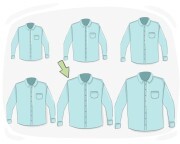
extra large
extra large
[名詞]

(of a size) larger than large, often used for clothing, packaging, or other items

特大, エクストラ ラージ

特大, エクストラ ラージ

Ex: He ordered an extra large coffee to start his day. 

彼は一日を始めるために特大のコーヒーを注文した。

overpriced
overpriced
[形容詞]

expensive in way that is not reasonable

高すぎる, 過大評価された

高すぎる, 過大評価された

Ex: The restaurant’s menu is full of overpriced dishes. 

レストランのメニューは法外な値段の料理でいっぱいです。

far-fetched
far-fetched
[形容詞]

not probable and difficult to believe

信じがたい, こじつけの

信じがたい, こじつけの

Ex: His explanation for being late was so far-fetched that no one believed him. 

彼の遅刻の説明はとてもありえないものだったので、誰も彼を信じなかった。

to oversleep
to oversleep
[動詞]

to wake up later than one intended to

寝坊する, 寝過ごす

寝坊する, 寝過ごす

Ex: Many people tend to oversleep on weekends after a busy week. 

多くの人々は、忙しい週の後に週末に寝過ごす傾向があります。

to undercook
to undercook
[動詞]

to cook food for less time than necessary

不十分に調理する, 十分に調理しない

不十分に調理する, 十分に調理しない

Ex: He accidentally undercooked the chicken, so it had to go back in the oven. 

彼は誤ってチキンを十分に調理しなかったので、オーブンに戻さなければなりませんでした。

monotonous
monotonous
[形容詞]

boring because of being the same thing all the time

単調な, 繰り返しの

単調な, 繰り返しの

Ex: The endless hours of data entry made her workday feel monotonous and never-ending. 

データ入力の果てしない時間が、彼女の仕事の日を単調で終わりのないものにした。
spoiled
spoiled
[形容詞]

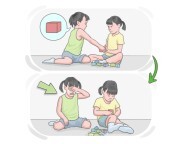
(of a person) displaying a childish behavior due to being treated very well or having been given everything they desired in the past

甘やかされた, わがままな

甘やかされた, わがままな

Ex: Because she always got everything she wanted, she became a spoiled child who couldn't handle disappointment. 

彼女はいつも欲しいものを手に入れていたので、失望に対処できない甘やかされた子供になってしまった。

LanGeek
LanGeekアプリをダウンロード