
Inglés y Conocimientos del Mundo para ACT - Movimiento
Aprende vocabulario ACT sobre el movimiento, incluyendo dirección, velocidad, desplazamiento, viaje, cambios de posición y las diferentes formas en que se mueven los objetos o las fuerzas.
Revisión
Tarjetas de memoria
formas
Ortografía
Cuestionario

to move in a rhythmic or repetitive pattern that rises and falls

temblar
Las llamas de la fogata ondulaban, proyectando un cálido resplandor sobre los árboles circundantes.
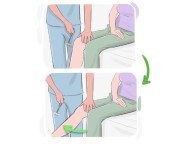
to make a sudden, brief, and involuntary movement
contraerse, tener un tic
La pierna del orador se agitó nerviosamente mientras se enfrentaban a la gran audiencia.
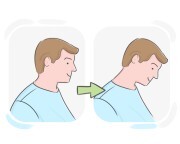
to incline or lean in a particular direction
inclinar, ladear
El edificio comenzó a inclinarse peligrosamente después de que los cimientos se debilitaran.
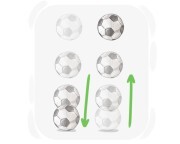
to bounce back after hitting a surface
rebotar, dar un rebote
El coche golpeó el badén y rebotó ligeramente.
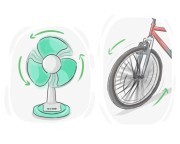
to rotate around a central point or axis
pivotar, girar alrededor de un punto central
La bailarina de ballet giró con gracia sobre un pie durante la actuación, mostrando un equilibrio increíble.
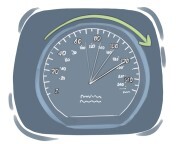
to make a vehicle, machine or object move more quickly
acelerar
El conductor aceleró el coche para adelantar al vehículo lento que tenía delante.

to spread or move around among people or places, often in a continuous manner
circular, propagar
Las ideas y las innovaciones a menudo circulan en los círculos académicos antes de ser ampliamente conocidas.
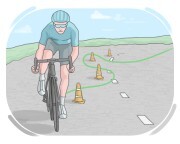
to strategically navigate or direct a vehicle, object, or oneself through a series of planned movements
maniobrar
El piloto de carreras maniobró hábilmente a través de las curvas cerradas de la pista.
to move quickly and lightly from somewhere or something to another
revolotear, volar ligeramente
Su atención revolotea de una tarea a otra, lo que hace difícil concentrarse en algo por mucho tiempo.
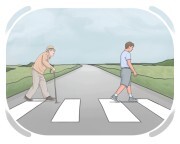
to move across or through a particular area, often with the intention of reaching a destination or following a specific course
seguir, recorrer
El barco siguió la costa, ofreciendo vistas impresionantes de los acantilados y playas.
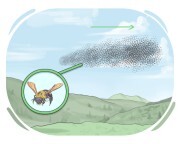
to gather or travel to a place in large, dense groups
enjambrar, afluir
Los locales acudieron en masa al mercado por productos frescos el sábado por la mañana.
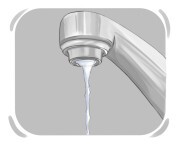
to slowly leak or pass through small openings
filtrarse, rezumar
La luz del sol se filtraba a través de las cortinas, iluminando la habitación con un suave resplandor.
to surpass, exceed, or move faster than someone or something
superar, aventajar
A pesar de los desafíos iniciales, el éxito del proyecto le ha permitido superar a iniciativas similares.
to slowly leak or pass through small openings
rezumar, filtrarse lentamente
El queso pegajoso rezumaba de la rebanada de pizza mientras se levantaba de la sartén.
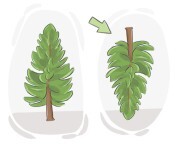
to flip or reverse the position or arrangement of something
invertir
El coreógrafo les pidió a los bailarines que invirtieran su formación para la escena final.
to move swiftly and smoothly across a surface or through the air, often in a broad or wide-ranging motion
barrer, deslizar
Los brazos de la bailarina barrieron con gracia el aire mientras actuaba.
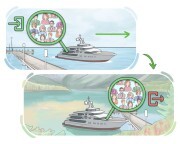
to convey or move people or items back and forth between locations
transportar, hacer lanzadera
La compañía de autobuses transporta a los viajeros desde los suburbios hasta el centro de la ciudad durante las horas punta.
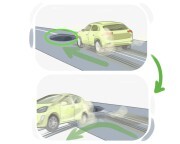
to cause something to depart from an established course
desviar
El meteorólogo predijo una tormenta que podría desviar las rutas de vuelo planificadas de varios aviones.
to move or convey a heavy object with effort
transportar, mover con esfuerzo
El bombero transportó las mangueras al lugar del incendio.
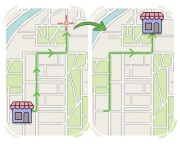
to uproot or relocate someone or something
trasplantar, relocalizar
La familia decidió trasplantar sus pertenencias domésticas a una nueva residencia en un vecindario diferente.
to meet or cross another path, line, etc. at a particular point
cruzarse
Los senderos se cruzan cerca del lago, lo que facilita el cambio de ruta.
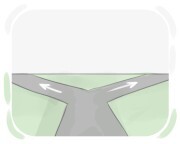
to move apart and continue in another direction
divergir
Las vías del ferrocarril divergieron en el cruce, dirigiendo los trenes hacia destinos distintos.
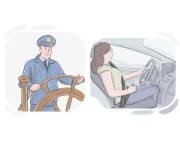
to control the direction of a moving object, such as a car, ship, etc.
manejar
En condiciones climáticas adversas, el capitán enfrentó el desafío de dirigir el velero de vuelta al puerto de manera segura.
(of a river, trail, etc.) to follow along a curvy or indirect path
serpentear
El sendero de senderismo serpentea por la montaña, ofreciendo vistas impresionantes en cada curva.
to lower or cause to move downward in position
bajar, deprimir
La presión de la pila de libros hizo que el estante se deprimiera.
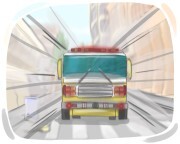
to move with speed and intensity
precipitarse, dispararse
El meteoro se precipitó a través de la atmósfera, creando un espectáculo espectacular mientras se quemaba.
to transfer liquid from one container to another using a tube or hose, typically by creating a vacuum or by gravity
sifonear, trasvasar
En los laboratorios de química, los estudiantes sifonean líquidos entre vasos de precipitados para realizar experimentos.
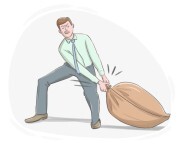
to transport or haul something heavy or cumbersome with effort
arrastrar, acarrear
Ella decidió arrastrar las cajas de libros a la nueva ubicación de la biblioteca, una por una.
to move or be drawn towards a center of gravity or mass, influenced by gravitational attraction
gravitar, ser atraído por la gravedad
Los asteroides y los cometas gravitan hacia el sol, siguiendo órbitas elípticas a su alrededor.
to move in a loose, uncontrolled, or erratic manner
revolcarse, agitarse
Después de una larga carrera, las piernas del corredor exhausto comenzaron a flopear mientras luchaba por mantener el ritmo.
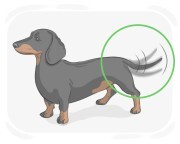
to move repeatedly from side to side, often in a rhythmic or playful manner
mover, sacudir
El zorro meneó sus orejas mientras escuchaba el crujido de la presa en los arbustos.
to move in a slow, heavy, and awkward manner, often due to the size or weight of the body or object being carried
moverse pesadamente, avanzar con dificultad
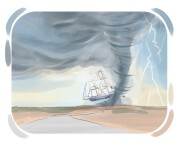
to move in a twisting or whirling motion, creating a pattern of circular or spiral motion
remolinar, girar en espiral
La falda de la bailarina giraba mientras ella giraba por el escenario.
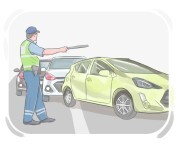
to change direction or take a different course
desviar
La marcha de protesta tuvo que desviarse alrededor de un cierre de calle.
sudden, quick, and irregular motions characterized by abrupt starts and stops
espasmódico, brusco
Los movimientos espasmódicos del robot indicaban un mal funcionamiento en su programación.
marked by sudden, involuntary, and jerky muscular contractions or spasms
convulsivo
El paciente exhibió movimientos convulsivos durante el examen médico.
(of the voice or body) shaking in a slight, fragile manner, often due to nerves, fear, age or illness
tembloroso
Extendió una mano trémula para aceptar el premio.
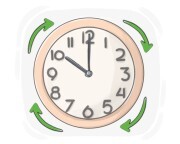
moving or turning in the same direction as the hands of a clock
en el sentido de las agujas del reloj, horario
Los tornillos deben apretarse en dirección horaria para asegurar el estante.
the power or ability to move on one's own without any external force
locomoción
the path an object, usually a rocket, follows in air or space
trayectoria
the act or process of advancing or moving forward in a gradual or orderly manner
progresión
La trayectoria de la nave espacial mostró una progresión suave hacia su destino.
the amount of energy or particles passing through per unit area per unit time
flujo, caudal
El flujo de calor a través de un material determina su conductividad térmica y propiedades de aislamiento.
the action or process of driving or propelling an object forward through a medium, typically involving the generation of thrust or force
propulsión
Los veleros utilizan la propulsión eólica para navegar por masas de agua.
a rapid and sudden drop from the sky
picado, descenso en picado
El halcón ejecutó un descenso preciso para arrebatar un pez de la superficie del lago.
| Inglés y Conocimientos del Mundo para ACT | |||
|---|---|---|---|
| Movimiento | Movimiento Humano | Colocación | |
