pattern

Lista de Palabras Nivel A2 - Verbos Necesarios 1

Aquí aprenderás algunas palabras en inglés sobre los verbos necesarios, como "to act", "to affect", "to analyze", etc. preparados para estudiantes A2.

Revisión

Tarjetas de memoria

formas

Ortografía

Cuestionario

Empezar a aprender
CEFR A2 Vocabulary
to act
to act
[Verbo]

to do something for a special reason

actuar
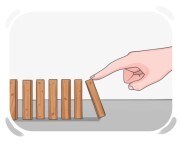
actuar

Ex: The detective had to act swiftly to prevent the suspect from escaping. 

El detective tuvo que actuar con rapidez para evitar que el sospechoso escapara.

to affect
to affect
[Verbo]

to cause a change in a person, thing, etc.

afectar

afectar

Ex: The economic downturn is expected to affect businesses across various sectors. 

Se espera que la desaceleración económica afecte a las empresas de diversos sectores.

to analyze
to analyze
[Verbo]

to examine or study something in detail in order to explain or understand it

analizar
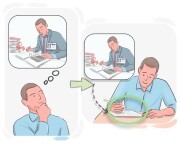
analizar

Ex: The financial analyst will analyze the company's quarterly reports to assess its performance. 

El analista financiero analizará los informes trimestrales de la empresa para evaluar su desempeño.

to apply
to apply
[Verbo]

to formally request something, such as a place at a university, a job, etc.

solicitar,  postular
solicitar, postular

Ex: She decided to apply for the scholarship to support her education. 

Ella decidió solicitar la beca para apoyar su educación.

to arrange
to arrange
[Verbo]

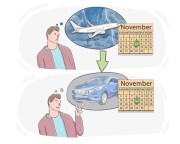
to make plans for a future event

organizar
organizar

Ex: They arranged a surprise party for their friend's birthday. 

Ellos organizaron una fiesta sorpresa para el cumpleaños de su amigo.

to avoid
to avoid
[Verbo]

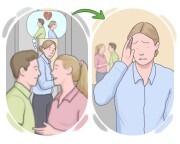
to intentionally stay away from or refuse contact with someone

evitar

evitar

Ex: The celebrity avoided fans by using a private entrance. 

La celebridad evitó a los fans usando una entrada privada.

to beat
to beat
[Verbo]

to get more points, votes, etc. than the other side, in a game, race, competition, etc. and win

vencer, derrotar

vencer, derrotar

Ex: The runner trained hard to beat the competition and cross the finish line first. 

El corredor entrenó duro para vencer a la competencia y cruzar la línea de meta primero.

to behave
to behave
[Verbo]

to act in a particular way

comportarse, portarse
comportarse, portarse

Ex: It's important to behave responsibly when driving on the roads. 

Es importante comportarse de manera responsable al conducir en las carreteras.

to blow
to blow
[Verbo]

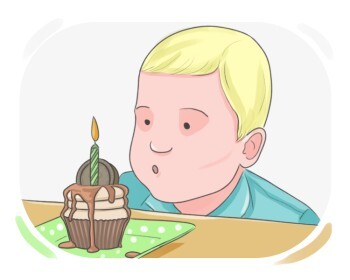
to exhale forcefully through the mouth

soplar
soplar

Ex: The magician held a deck of cards and blew on them, causing one card to rise and float in the air. 

El mago sostenía una baraja de cartas y sopló sobre ellas, haciendo que una carta se elevara y flotara en el aire.

to boil
to boil
[Verbo]

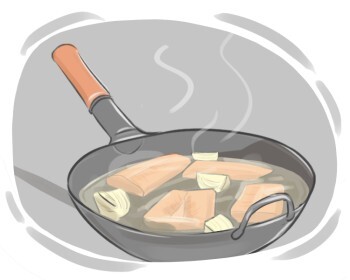
to cook food in very hot water

hervir

hervir

Ex: He boiled potatoes for the stew. 

Él hirvió patatas para el estofado.

to burn
to burn
[Verbo]

to be on fire and be destroyed by it

arder, quemar
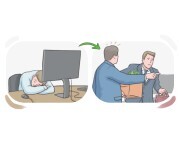
arder, quemar

Ex: The forest burned for days, leaving behind a trail of destruction. 

El bosque ardió durante días, dejando tras de sí un rastro de destrucción.

to cause
to cause
[Verbo]

to make something happen, usually something bad

causar, provocar

causar, provocar

Ex: Are you trying to cause a misunderstanding with your words? 

¿Estás tratando de causar un malentendido con tus palabras?

to collect
to collect
[Verbo]

to gather together things from different places or people

juntar
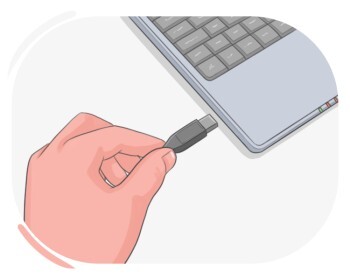
juntar

Ex: The scientist collected samples of soil and water from different locations for environmental analysis. 

El científico recogió muestras de suelo y agua de diferentes lugares para el análisis ambiental.

to connect
to connect
[Verbo]

to join two or more things together

conectar
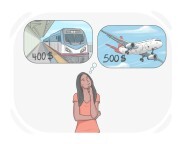
conectar

Ex: The bridge connects the two sides of the river, providing a passage for pedestrians and vehicles. 

El puente conecta los dos lados del río, proporcionando un paso para peatones y vehículos.

to consider

to think about something carefully before making a decision or forming an opinion

considerar
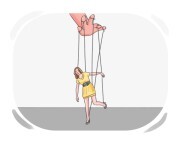
considerar

Ex: He carefully considered all the job offers before making a decision. 

Él consideró cuidadosamente todas las ofertas de trabajo antes de tomar una decisión.

to control
to control
[Verbo]

to have power over a person, company, country, etc. and to decide how things should be done

controlar

controlar

Ex: As a parent, it's important to guide and control your child's behavior. 

Como padre, es importante guiar y controlar el comportamiento de su hijo.

to cover
to cover
[Verbo]

to put something over something else in a way that hides or protects it

cubrir, tapar
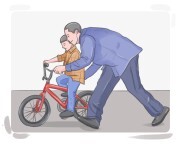
cubrir, tapar

Ex: He decided to cover his plants with a tarp to protect them from the impending frost. 

Decidió cubrir sus plantas con una lona para protegerlas de la helada inminente.

to depend
to depend
[Verbo]

to be based on or related with different things that are possible

depender de
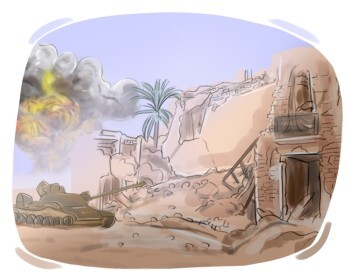
depender de

Ex: The outcome of the negotiation will depend on the willingness of both parties to find common ground. 

El resultado de la negociación dependerá de la voluntad de ambas partes para encontrar un terreno común.

to destroy
to destroy
[Verbo]

to cause damage to something in a way that it no longer exists, works, etc.

destruir
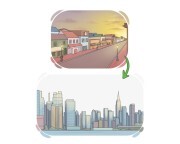
destruir

Ex: Yesterday, the fire tragically destroyed the old library, consuming many valuable books. 

Ayer, el incendio destruyó trágicamente la antigua biblioteca, consumiendo muchos libros valiosos.

to develop
to develop
[Verbo]

to change and become stronger or more advanced

desarrollarse

desarrollarse

Ex: Over time, economies can develop and become more resilient to external shocks. 

Con el tiempo, las economías pueden desarrollarse y volverse más resistentes a los shocks externos.

to dry
to dry
[Verbo]

to take out the liquid from something in a way that it is not wet anymore

secar
secar

Ex: She dried her hair with a blow dryer. 

Ella secó su cabello con un secador.

to exist
to exist
[Verbo]

to have actual presence or reality, even if no one is thinking about it or noticing it

existir
existir

Ex: The concept of parallel universes is still debated but some argue that they exist. 

El concepto de universos paralelos todavía se debate, pero algunos argumentan que existen.

to expect
to expect
[Verbo]

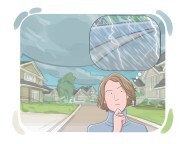
to think or believe that it is possible for something to happen or for someone to do something

esperar, contar con
esperar, contar con

Ex: She didn't expect such a warm reception at the event. 

Ella no esperaba una recepción tan cálida en el evento.

to express
to express
[Verbo]

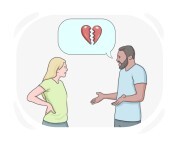
to show or make a thought, feeling, etc. known by looks, words, or actions

expresar
expresar

Ex: Last night, they expressed their joy with cheers and applause. 

Anoche, expresaron su alegría con vítores y aplausos.

to fight
to fight
[Verbo]

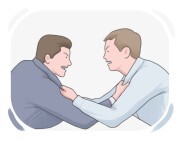
to take part in a violent physical action against someone

pelear, luchar
pelear, luchar

Ex: The two animals fought over territory, growling loudly. 

Los dos animales lucharon por el territorio, gruñendo fuertemente.

to fix
to fix
[Verbo]

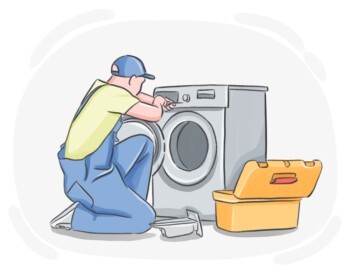
to repair something that is broken

arreglar, reparar
arreglar, reparar

Ex: Yesterday, he fixed the broken window in the living room. 

Ayer, él arregló la ventana rota en la sala de estar.

to greet
to greet
[Verbo]

to give someone a sign of welcoming or a polite word when meeting them

saludar, recibir

saludar, recibir

Ex: Colleagues often greet each other at the beginning of the workday with a friendly "good morning." 

Los colegas a menudo se saludan al comienzo de la jornada laboral con un amistoso "buenos días".

to carry out

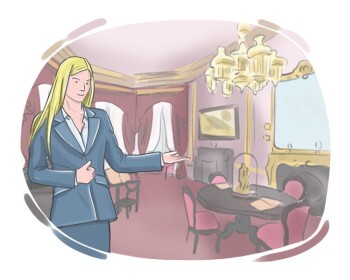
to complete or conduct a task, job, etc.

realizar

realizar

Ex: The detective was assigned to carry out the investigation into the mysterious disappearance. 

Al detective se le asignó llevar a cabo la investigación sobre la desaparición misteriosa.
to look
to look
[Verbo]

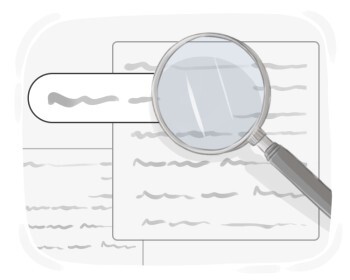
to search for something or someone

mirar
mirar

Ex: She's looking for a better way to organize her schedule. 

Ella está buscando una mejor manera de organizar su horario.

to stop
to stop
[Verbo]

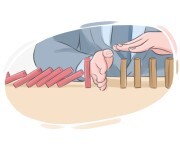
to cause something to come to an end or prevent it from happening

detener, parar
detener, parar

Ex: The principal stepped in to stop the bullying. 

El director intervino para detener el acoso.

to disappear

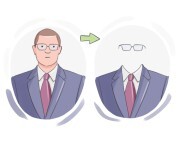
to no longer be able to be seen

desaparecer

desaparecer

Ex: The stains have disappeared after using a specialized cleaner. 

Las manchas han desaparecido después de usar un limpiador especializado.

to name
to name
[Verbo]

to give a name to something or someone

llamar

llamar

Ex: She named her new kitten "Whiskers" because of its distinctive facial markings. 

Ella llamó a su nuevo gatito "Whiskers" debido a sus distintivas marcas faciales.

LanGeek
Descargar la aplicación LanGeek