
Lista de Palabras Nivel A2 - Verbos Modales y Otros
Aquí aprenderás algunos verbos modales en inglés y otros, como "can", "must", "improve", "keep", etc. preparados para estudiantes de A2.
Revisión
Tarjetas de memoria
formas
Ortografía
Cuestionario


to be able to do somehing, make something, etc.

poder
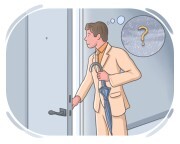
used to show the possibility of something happening or being the case
poder
El paquete puede ser entregado mañana por la mañana.
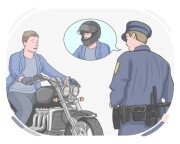
used to show that something is very important and needs to happen
deber
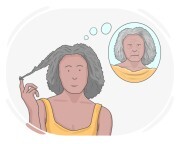

used to ask if one can do something
[condicional simple del verbo poder]
¿Podría pedir prestado tu bolígrafo un momento?
used to express a possibility
es posible que, puede que
used as the past form of "will" when reporting what someone has said or thought
[condicional]
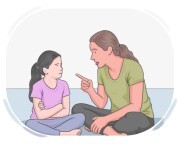
used to say what is suitable, right, etc., particularly when one is disapproving of something
deber
Los estudiantes deberían completar sus tareas a tiempo para sobresalir académicamente.
used to say that something happened frequently or constantly in the past but not anymore
soler
Ella solía ser vegetariana, pero ahora come carne ocasionalmente.
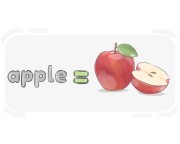
to have a particular meaning or represent something
significar
to discover information about something or someone by looking, asking, or investigating
descubrir
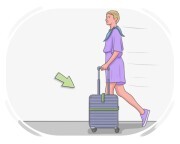
to hold someone or something and take them from one place to another
llevar
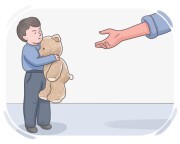
to have or continue to have something
tener

to not leave until a person or thing is ready or present or something happens
esperar
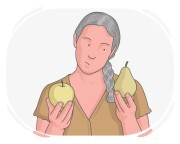
to examine or look for the differences between of two or more objects
comparar

to make a person or thing better
mejorar, aumentar
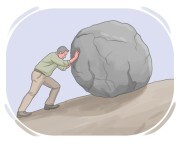
to make an effort or attempt to do or have something
intentar
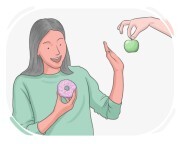
to want or choose one person or thing instead of another because of liking them more
preferir
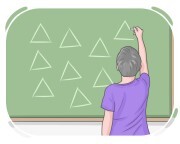
to complete an action more than one time
repetir
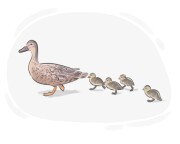
to move or travel behind someone or something
seguir

to let someone or something do a particular thing
permitir

to move or do something very quickly, particularly because of a lack of time
darse prisa
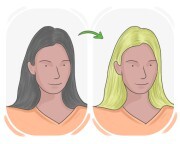
to make a person or thing different
cambiar
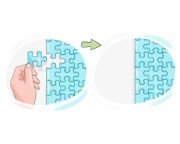
to bring something to an end by making it whole
completar
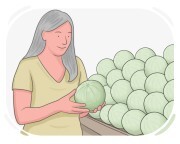
to choose someone or something out of a group of people or things
escoger
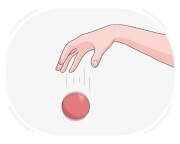
to let or make something fall to the ground
soltar
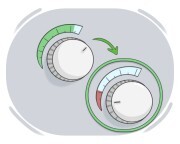
to make something smaller in amount, degree, price, etc.
reducir
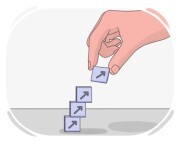
to not stop something, such as a task or activity, and keep doing it
continuar
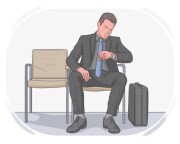
to remain in a particular place
quedarse
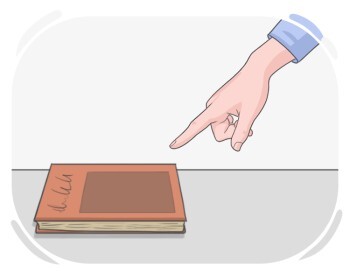
to show the place or direction of someone or something by holding out a finger or an object
indicar
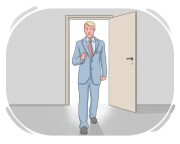
to come or go into a place
entrar
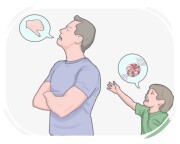
to not accept what someone has offered us or asked us to do
rechazar

to go or come back to a person or place
regresar
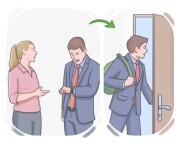
used to indicate an obligation or to emphasize the necessity of something happening
tener que
Tenemos que estar en el aeropuerto dos horas antes del vuelo.
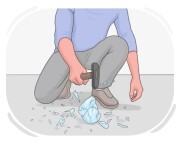
to become damaged and separated into pieces because of a blow, shock, etc.
romper, quebrar
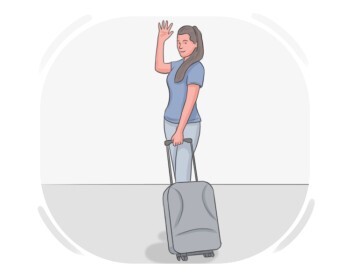
used when saying goodbye to someone, especially family and friends
cuídate, cuídese
Que tengas un buen viaje. Cuídate, amigo mío.
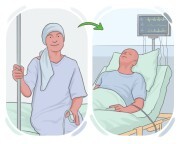
to become less desirable, easy, or tolerable
empeorar
Sin el mantenimiento adecuado, las condiciones de la carretera empeorarán con el tiempo.
| Lista de Palabras Nivel A2 | |||
|---|---|---|---|
| Adverbios | Adjetivos Opuestos 2 | Emociones | Verbos Modales y Otros |
| Matemáticas | Ciencia y el Mundo Natural | Verbos Necesarios 1 | Verbos Necesarios 3 |
| Verbos Necesarios 2 | Pronombres y Determinantes | ||
