pattern

Lista Słówek Poziomu A2 - Niezbędne Czasowniki

Tutaj nauczysz się niektórych niezbędnych angielskich czasowników, takich jak "działać", "wpływać" i "analizować", przygotowanych dla uczących się na poziomie A2.

Przegląd

Fiszki

formy

Pisownia

Test

Zacznij naukę
CEFR A2 Vocabulary
to act
to act
[Czasownik]

to do something for a special reason

działać, interweniować
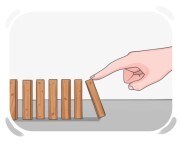
działać, interweniować

Ex: The company decided to act quickly to address customer complaints and improve its services. 
to affect
to affect
[Czasownik]

to cause a change in a person, thing, etc.

wpływać, zmieniać
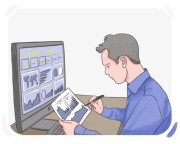
wpływać, zmieniać

Ex: The sudden loss of her job profoundly affected her emotional well-being. 
to analyze
to analyze
[Czasownik]

to examine or study something in detail in order to explain or understand it

analizować, badać
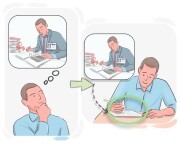
analizować, badać

Ex: The scientist needed to analyze the data to draw meaningful conclusions from the experiment. 
to apply
to apply
[Czasownik]

to formally request something, such as a place at a university, a job, etc.

składać podanie,  aplikować
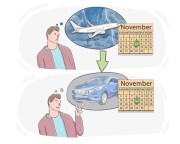
składać podanie, aplikować

Ex: Students often apply to multiple universities to increase their chances of acceptance. 
to arrange
to arrange
[Czasownik]

to make plans for a future event

organizować, ustalać
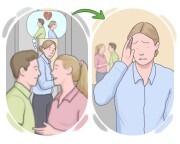
organizować, ustalać

Ex: She arranged a meeting with her colleagues to discuss the project. 
to avoid
to avoid
[Czasownik]

to intentionally stay away from or refuse contact with someone

unikać, omijać

unikać, omijać

Ex: To prevent a confrontation, he tried to avoid his ex-girlfriend at the party. 
to beat
to beat
[Czasownik]

to get more points, votes, etc. than the other side, in a game, race, competition, etc. and win

pokonać, pobić

pokonać, pobić

Ex: The soccer team managed to beat their opponents with a last-minute goal. 
to behave
to behave
[Czasownik]

to act in a particular way

zachowywać się, działać
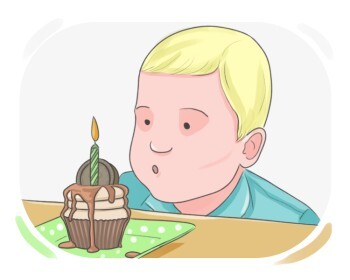
zachowywać się, działać

Ex: Despite the challenging situation, he continued to behave calmly. 
to blow
to blow
[Czasownik]

to exhale forcefully through the mouth

dmuchać, wydychać z siłą
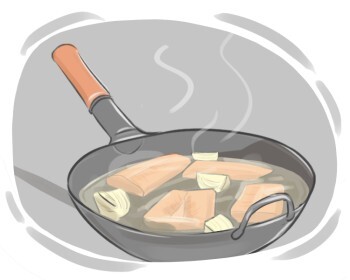
dmuchać, wydychać z siłą

Ex: She blew on her cup of hot tea to cool it down before taking a sip. 
to boil
to boil
[Czasownik]

to cook food in very hot water

gotować, zagotować

gotować, zagotować

Ex: I boil eggs for breakfast every morning. 
to burn
to burn
[Czasownik]

to be on fire and be destroyed by it

płonąć, spłonąć
płonąć, spłonąć

Ex: The building burned fiercely, sending plumes of smoke into the sky. 
to cause
to cause
[Czasownik]

to make something happen, usually something bad

powodować,  wywoływać

powodować, wywoływać

Ex: Please don't cause any more problems in class. 
to collect
to collect
[Czasownik]

to gather together things from different places or people

zbierać, kolekcjonować
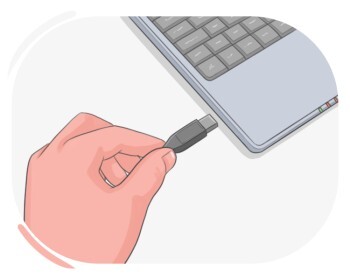
zbierać, kolekcjonować

Ex: The students were instructed to collect leaves for their biology project. 
to connect
to connect
[Czasownik]

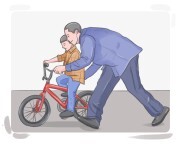
to join two or more things together

łączyć, podłączać
łączyć, podłączać

Ex: The electrician will connect the wires to establish the electrical circuit. 
to consider
to consider
[Czasownik]

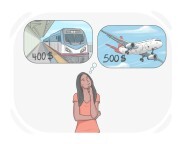
to think about something carefully before making a decision or forming an opinion

rozważać, zastanawiać się
rozważać, zastanawiać się

Ex: I need to consider whether to accept the promotion. 
to control
to control
[Czasownik]

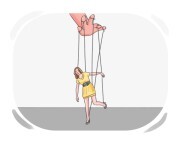
to have power over a person, company, country, etc. and to decide how things should be done

kontrolować, rządzić
kontrolować, rządzić

Ex: The CEO sought to control the company's strategic direction. 
to cover
to cover
[Czasownik]

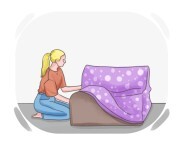
to put something over something else in a way that hides or protects it

zakryć, przykryć
zakryć, przykryć

Ex: She used a blanket to cover the delicate furniture during the move. 
to depend
to depend
[Czasownik]

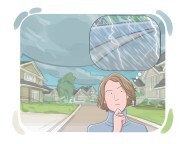
to be based on or related with different things that are possible

zależeć, opierać się na
zależeć, opierać się na

Ex: The success of the project depends heavily on effective communication among team members. 
to destroy
to destroy
[Czasownik]

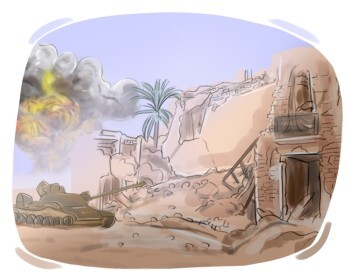
to cause damage to something in a way that it no longer exists, works, etc.

niszczyć, zniszczyć
niszczyć, zniszczyć

Ex: Environmental pollution often destroys delicate ecosystems and harms wildlife. 
to develop
to develop
[Czasownik]

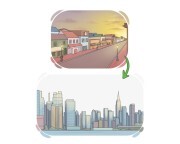
to change and become stronger or more advanced

rozwijać, ewoluować

rozwijać, ewoluować

Ex: The small startup has the potential to develop into a leading technology company. 
to dry
to dry
[Czasownik]

to take out the liquid from something in a way that it is not wet anymore

suszyć, osuszać
suszyć, osuszać

Ex: After washing her hair, she used a towel to dry it. 
to exist
to exist
[Czasownik]

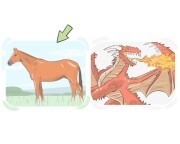
to have actual presence or reality, even if no one is thinking about it or noticing it

istnieć, być
istnieć, być

Ex: Many believe that extraterrestrial life might exist somewhere in the universe. 
to expect
to expect
[Czasownik]

to think or believe that it is possible for something to happen or for someone to do something

oczekiwać, przewidywać
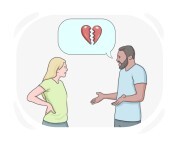
oczekiwać, przewidywać

Ex: The weather forecast led us to expect rain this weekend. 
to express
to express
[Czasownik]

to show or make a thought, feeling, etc. known by looks, words, or actions

wyrażać, okazywać
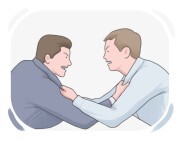
wyrażać, okazywać

Ex: The artist expresses emotions through vibrant colors in her paintings. 
to fight
to fight
[Czasownik]

to take part in a violent physical action against someone

walczyć, bić się
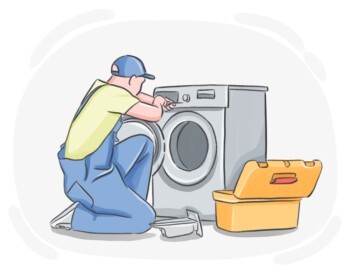
walczyć, bić się

Ex: The soldiers bravely fought on the front lines during the war. 
to fix
to fix
[Czasownik]

to repair something that is broken

naprawiać, reperować
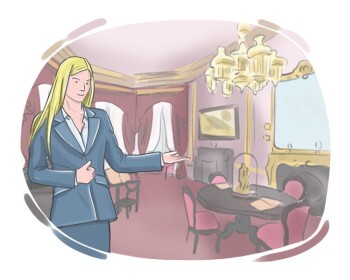
naprawiać, reperować

Ex: He regularly fixes his bicycle when it has issues. 
to greet
to greet
[Czasownik]

to give someone a sign of welcoming or a polite word when meeting them

witać, przyjmować

witać, przyjmować

Ex: People commonly greet each other with a friendly "hello" or a warm smile. 
to carry out
to carry out
[Czasownik]

to complete or conduct a task, job, etc.

przeprowadzać, wykonywać

przeprowadzać, wykonywać

Ex: The research team will carry out experiments to test the hypothesis and gather data. 
to look
to look
[Czasownik]

to search for something or someone

szukać, patrzeć
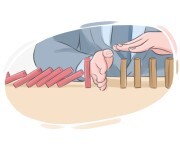
szukać, patrzeć

Ex: Are you looking for something specific at the store? 
to stop
to stop
[Czasownik]

to cause something to come to an end or prevent it from happening

zatrzymać, powstrzymać
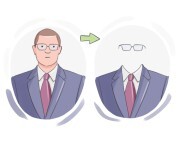
zatrzymać, powstrzymać

Ex: I'll do whatever it takes to stop this chaos. 
to disappear
to disappear
[Czasownik]

to no longer be able to be seen

znikać,  zanikać

znikać, zanikać

Ex: The sun disappears below the horizon every evening. 
to name
to name
[Czasownik]

to give a name to something or someone

nazwać, imienować

nazwać, imienować

Ex: Parents often carefully name their children after considering various factors. 
LanGeek
Pobierz aplikację LanGeek