pattern

Lista de Palabras Nivel A2 - Ciencia y el Mundo Natural

Aquí aprenderás algunas palabras en inglés sobre ciencia y el mundo natural, como "atom", "chemical", "organism", etc. preparadas para estudiantes de A2.

Revisión

Tarjetas de memoria

Ortografía

Cuestionario

Empezar a aprender
CEFR A2 Vocabulary
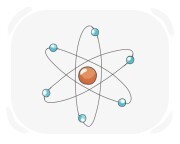
atom
atom
[Sustantivo]

the smallest unit of a chemical element that retains the properties of that element

átomo

átomo

Ex: The scientists studied how the atoms bonded together. 
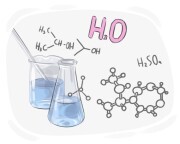
organism
organism
[Sustantivo]

an individual living thing, such as an animal, plant, fungus, or bacterium

organismo
organismo

Ex: A tree is a complex organism made up of many specialized cells. 
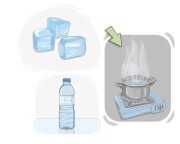
chemical
chemical
[Adjetivo]

made by a process that involves chemistry

químico
químico

Ex: Chemical fertilizers are commonly used in agriculture to enhance crop growth. 
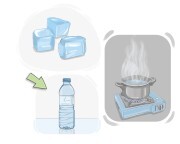
gas
gas
[Sustantivo]

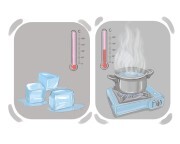
the state of a substance that is neither solid nor liquid

gas
gas

Ex: The gas emitted by certain chemicals can be harmful to the environment if not properly controlled. 
liquid
liquid
[Sustantivo]

the physical state in which matter has a fixed volume but takes the shape of its container

líquido
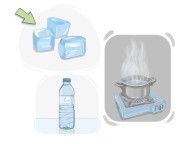
líquido

Ex: The substance remains a liquid at room temperature. 
solid
solid
[Sustantivo]

a substance that is firm and has a certain shape, not like gas or liquid

sólido
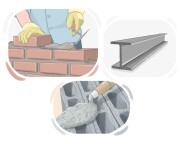
sólido

Ex: During the experiment, we observed how the solid changed when heated. 
material
material
[Sustantivo]

a substance from which things can be made

material
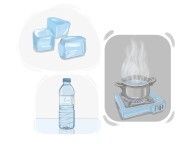
material

Ex: Fabric is a textile material used for making clothing, curtains, and upholstery. 
substance
substance
[Sustantivo]

a particular kind of matter in gas, solid, or liquid form

sustancia

sustancia

Ex: In the lab, they measured the density of the unknown substance to determine its composition. 
electric
electric
[Adjetivo]

relating to, produced by, or using electricity

eléctrico, de la electricidad

eléctrico, de la electricidad

Ex: The electric mixer whirred as it blended the ingredients for the cake batter. 
real
real
[Adjetivo]

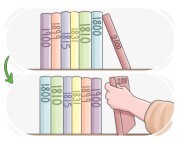
having actual existence and not imaginary

verdadero, real

verdadero, real

Ex: The real world often requires practical solutions, not just ideas. 

El mundo real a menudo requiere soluciones prácticas, no solo ideas.
systematic
systematic
[Adjetivo]

done according to an organized method, plan, or system

sistemático, metódico
sistemático, metódico

Ex: Daniel made a systematic search of every room. 
metal
metal
[Sustantivo]

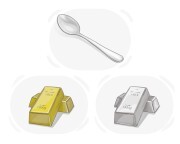
a usually solid and hard substance that heat and electricity can move through, such as gold, iron, etc.

metal

metal

Ex: Gold is a precious metal valued for its rarity and beauty. 
plastic
plastic
[Sustantivo]

a light substance produced in a chemical process that can be formed into different shapes when heated

plástico
plástico

Ex: Polyethylene is a versatile plastic used in packaging, insulation, and textiles. 
iron
iron
[Sustantivo]

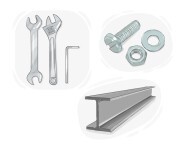
a metallic chemical element with a silvery-gray appearance, widely used for making tools, steel, buildings, and various industrial products

hierro

hierro

Ex: The metalworker melted iron to create a molten metal for casting. 
gold
gold
[Sustantivo]

a valuable yellow-colored metal that is used for making jewelry

oro
oro

Ex: The ancient Egyptians used gold to create intricate jewelry and artifacts. 
silver
silver
[Sustantivo]

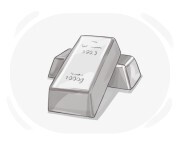
a shiny grayish-white metal of high value that heat and electricity can move through it and is used in jewelry making, electronics, etc.

plata
plata

Ex: The circuit boards in electronics often contain traces of silver for conductivity. 
carbon
carbon
[Sustantivo]

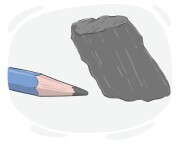
a chemical element present in all living things and in substances such as coal, graphite, and diamond

carbono
carbono

Ex: The sample contains a high percentage of carbon. 
oxygen
oxygen
[Sustantivo]

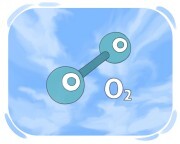
a colorless, odorless chemical element that occurs as a gas and is essential for the respiration of most living things

oxígeno
oxígeno

Ex: Mountain climbers may carry extra oxygen at high altitudes. 
stone
stone
[Sustantivo]

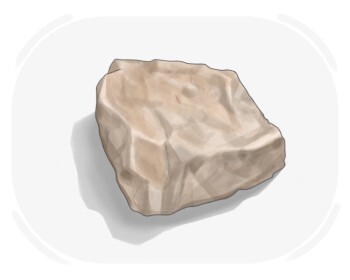
a hard material, usually made of minerals, and often used for building things

piedra

piedra

Ex: The sculptor chiseled away at the stone to reveal the figure within. 
to research

to study a subject carefully and systematically to discover new facts or information about it

investigar

investigar

Ex: She researched various travel destinations before planning her vacation. 
method
method
[Sustantivo]

a specific way or process of doing something, particularly an established or systematic one

método, procedimiento

método, procedimiento

Ex: The method of payment for the service can be chosen during checkout. 
example
example
[Sustantivo]

a sample, showing what the rest of the data is typically like

ejemplo

ejemplo

Ex: In the financial report, they presented multiple case studies, with Company A's performance being a prime example of success. 
to invent
to invent
[Verbo]

to create or design something new that did not previously exist

inventar

inventar

Ex: Engineers invented a new material that can withstand extreme heat. 
inventor
inventor
[Sustantivo]

someone who makes or designs something that did not exist before

inventor

inventor

Ex: The inventor of the smartphone revolutionized the way we communicate and access information. 

El inventor del smartphone revolucionó la forma en que nos comunicamos y accedemos a la información.
to discover

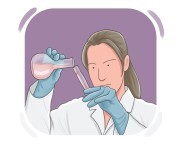
to be the first person who finds something or someplace that others did not know about

descubrir

descubrir

Ex: The scientist discovered a new species of plant in the remote rainforest. 
discovery
discovery
[Sustantivo]

the act of finding something for the first time and before others

descubrimiento
descubrimiento

Ex: The discovery of a lost manuscript by a famous author thrilled literary scholars and enthusiasts alike. 
tool
tool
[Sustantivo]

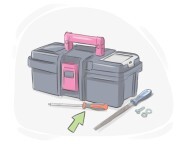
something such as a hammer, saw, etc. that is held in the hand and used for a specific job

herramienta
herramienta

Ex: The chef's most important tool in the kitchen is a sharp knife. 
fact
fact
[Sustantivo]

something that is known to be true or real, especially when it can be proved

hecho

hecho

Ex: Historical facts provide valuable insight into past events. 
reason
reason
[Sustantivo]

something that explains an action or event

razón

razón

Ex: The teacher explained the reason behind the scientific principle to the students. 
technology
technology
[Sustantivo]

the application of scientific knowledge for practical purposes, especially in industry

tecnología

tecnología

Ex: Technology plays a crucial role in the efficiency of modern factories. 
data
data
[Sustantivo]

information or facts collected to be used for various purposes

datos

datos

Ex: Weather forecasters rely on data from satellites and weather stations to predict future conditions. 
focus
focus
[Sustantivo]

the act of directing your attention and energy toward a particular thing or task

foco
foco

Ex: Meditation helps to improve mental focus and clarity by training the mind to concentrate on the present moment. 
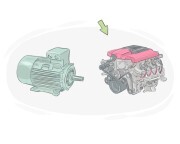
engine
engine
[Sustantivo]

the part of a vehicle that uses a particular fuel to make the vehicle move

motor
motor

Ex: She studied mechanical engineering to learn how to design and build engines. 
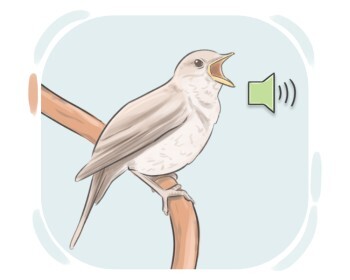
sound
sound
[Sustantivo]

anything that we can hear

sonido

sonido

Ex: Laughter is a delightful sound that brightens any room. 
laboratory
laboratory
[Sustantivo]

a room or building equipped for scientific research, experiments, testing, or the production of chemicals or medicines

laboratorio
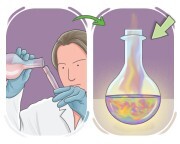
laboratorio

Ex: Michael works in a laboratory that develops new medicines. 
result
result
[Sustantivo]

something that is caused by something else

resultado

resultado

Ex: The investigation led to the arrest of the suspect, with the result that crime rates decreased. 
LanGeek
Descargar la aplicación LanGeek