pattern

Cambridge IELTS 15 - Academic - Prueba 1 - Lectura - Pasaje 2

Aprende vocabulario del Cambridge IELTS 15 Academic, Test 1 Reading Passage 2, y repasa palabras y expresiones útiles de este texto de lectura.

Revisión

Tarjetas de memoria

formas

Ortografía

Cuestionario
Empezar a aprender
Cambridge IELTS 15 - Academic
automotive
automotive
[Adjetivo]

related to the design, development, and maintenance of cars and other vehicles

automotriz,  automotor

automotriz, automotor

to adapt
to adapt
[Verbo]

to change one's behavior or habits in order to deal successfully with a new situation or environment

adaptarse

adaptarse

Ex: Children often adapt more easily to change than adults. 
automation
automation
[Sustantivo]

the use of machines and computers in a production process that was formerly operated by people

automatización

automatización

implementation
implementation
[Sustantivo]

the process of putting a plan, decision, system, or policy into practical effect

implementación,  puesta en práctica

implementación, puesta en práctica

Ex: The committee will oversee implementation of the reforms. 
reliability
reliability
[Sustantivo]

the level to which something or someone can be counted on

fiabilidad

fiabilidad

flexibility
flexibility
[Sustantivo]

the ability to change or adapt easily to different needs, conditions, or circumstances

flexibilidad

flexibilidad

Ex: Laura appreciates the flexibility of being able to work from home. 
contribution
contribution
[Sustantivo]

someone or something's role in achieving a specific result, particularly a positive one

contribución, aporte

contribución, aporte

Ex: Students are assessed on the contributions they make to classroom discussions and projects. 
assistance
assistance
[Sustantivo]

a person or thing that is a resource that helps make something easier or possible to do

ayuda, asistencia

ayuda, asistencia

Ex: A calculator can be an important assistance in checking complex figures. 
to gather
to gather
[Verbo]

to gradually increase in speed, strength, or intensity

acumular, ganar

acumular, ganar

Ex: The rain started to gather force, turning into a heavy downpour. 
to cite
to cite
[Verbo]

to mention something as an example, reason, or evidence in support of a statement or argument

citar

citar

Ex: Daniel could cite numerous examples of similar problems. 
motive
motive
[Sustantivo]

a reason, intention, or desire that causes someone to act in a particular way

motivo,  razón

motivo, razón

Ex: Money was not her main motive for accepting the job. 
to demonstrate

to show clearly that something is true or exists by providing proof or evidence

probar

probar

Ex: They demonstrated their commitment to the project by completing it on time. 
collision
collision
[Sustantivo]

an accident that occurs when two or more objects, often in motion, come into violent contact with each other, resulting in damage or destruction

colisión, accidente

colisión, accidente

Ex: He was injured in a collision when his bike hit a parked car. 

Resultó herido en una colisión cuando su bicicleta chocó contra un coche aparcado.

incidence
incidence
[Sustantivo]

the rate or frequency at which something occurs

incidencia

incidencia

Ex: The city introduced new measures to reduce the incidence of traffic accidents. 
to socialize

to interact and spend time with people

alternar

alternar

Ex: Friends frequently socialize at cafes or restaurants to catch up and enjoy each other's company. 

Los amigos socializan con frecuencia en cafés o restaurantes para ponerse al día y disfrutar de la compañía mutua.

proportion
proportion
[Sustantivo]

the result obtained when one quantity considered in relation to the whole

proporción

proporción

Ex: They discussed the proportion of profits that would be reinvested into the company. 
institute
institute
[Sustantivo]

an organization focused on a specific field of study or training, offering programs and services related to science, technology, medicine, business, or the arts

instituto, centro

instituto, centro

Ex: He received a scholarship from a local art institute. 
to investigate

to examine something scientifically, typically to discover facts or evidence

investigar, examinar

investigar, examinar

Ex: The government agency will investigate the safety of a new medication before approving it for public use. 
modeling
modeling
[Sustantivo]

the practice of making something on a smaller scale

modelado

modelado

Ex: The architect used 3D modeling to create a miniature version of the proposed building. 

El arquitecto utilizó el modelado 3D para crear una versión en miniatura del edificio propuesto.
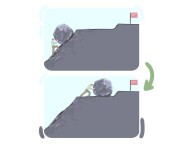
mileage
mileage
[Sustantivo]

distance measured in miles

kilometraje, distancia en millas

kilometraje, distancia en millas

intensively
intensively
[Adverbio]

in a highly thorough, detailed, or forceful manner

intensivamente, de manera intensiva

intensivamente, de manera intensiva

Ex: The therapy is designed to treat trauma intensively and effectively. 

La terapia está diseñada para tratar el trauma de manera intensiva y efectiva.

to prompt
to prompt
[Verbo]

to cause an event, reaction, or situation to occur

provocar

provocar

Ex: Her resignation prompted an immediate investigation. 
to tend
to tend
[Verbo]

to be likely to develop or occur in a certain way because that is the usual pattern

tender a

tender a

Ex: Historical patterns suggest that economic downturns tend to lead to increased unemployment. 
provider
provider
[Sustantivo]

a person, company, or organization that offers goods or services to customers

proveedor, suministrador

proveedor, suministrador

Ex: Many providers offer discounts during the holiday season. 
compromise
compromise
[Sustantivo]

a middle position or solution that combines different or opposing qualities

intermedia

intermedia

Ex: The final schedule was a compromise between speed and flexibility. 
unoccupied
unoccupied
[Adjetivo]

describing a state or condition in which a space or property is not being used, inhabited, or occupied by individuals

desocupado, vacante

desocupado, vacante

to boost
to boost
[Verbo]

to increase the amount, level, strength, or power of something

aumentar

aumentar

Ex: The amplifier boosts the electrical signal before it reaches the speaker. 
specialized
specialized
[Adjetivo]

made or designed for a specific function

especializado

especializado

Ex: The company offers specialized software for accounting professionals, optimized for managing financial data. 

La empresa ofrece software especializado para profesionales de la contabilidad, optimizado para gestionar datos financieros.

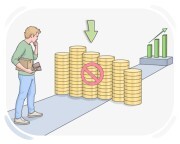
exceptional
exceptional
[Adjetivo]

unusually good or much greater than what is normal or expected

excepcional
excepcional

Ex: Daniel showed exceptional skill during the competition. 
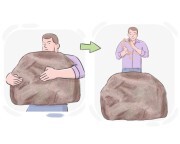
hurdle
hurdle
[Sustantivo]

a difficulty or problem that must be overcome in order to achieve something

obstáculo
obstáculo

Ex: Despite the language barrier, she managed to overcome this hurdle and excel in her new job. 
to overcome

to succeed in solving, controlling, or dealing with something difficult

vencer
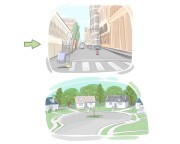
vencer

Ex: Teams overcome project challenges by collaborating and finding innovative solutions. 
infinite
infinite
[Adjetivo]

without end or limits in extent, amount, or space

infinito

infinito

Ex: Space is often described as infinite, with no boundaries or limits to its vastness. 

El espacio a menudo se describe como infinito, sin fronteras ni límites a su vastedad.
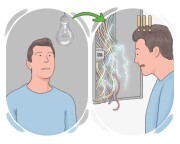
to encounter

to be faced with an unexpected difficulty during a process

encontrarse
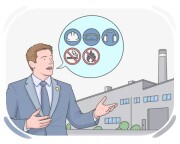
encontrarse

Ex: Engineers often encounter unforeseen issues during the construction phase of a project. 
regulatory
regulatory
[Adjetivo]

creating and enforcing rules or regulations to control or govern a particular activity or industry

regulador

regulador

Ex: The regulatory approval process for new drugs involves rigorous testing to assess their safety and efficacy. 
liability
liability
[Sustantivo]

the state of being legally obliged and responsible

responsabilidad, obligación

responsabilidad, obligación

Ex: Drivers may face legal liability if they cause an injury. 
enforcement
enforcement
[Sustantivo]

the process of making sure that a law, rule, requirement, or decision is obeyed or carried out

aplicación, ejecución

aplicación, ejecución

Ex: Sarah argued that the problem was weak enforcement rather than inadequate rules. 
operation
operation
[Sustantivo]

the activity of operating something (a machine or business etc.)

operación, funcionamiento

operación, funcionamiento

Ex: The manual explains the operation of the equipment. 
societal
societal
[Adjetivo]

related to or characteristic of society and its members as a whole

social, societal

social, societal

Ex: The government's policies have a significant impact on societal well-being. 

Las políticas del gobierno tienen un impacto significativo en el bienestar social.

to address
to address
[Verbo]

to think about a problem or an issue and start to deal with it

abordar

abordar

Ex: The government must address the rising unemployment rate. 
robust
robust
[Adjetivo]

remaining strong and effective even when facing challenges or difficulties

robusto

robusto

Ex: The theories have been tested in robust ways. 

Las teorías han sido probadas de manera robusta.

targeted
targeted
[Adjetivo]

focused or directed toward a specific goal, objective, or audience

dirigido, enfocado

dirigido, enfocado

Ex: The training program offers targeted exercises to address weaknesses and improve performance. 

El programa de entrenamiento ofrece ejercicios dirigidos para abordar las debilidades y mejorar el rendimiento.

to conquer
to conquer
[Verbo]

to overcome a challenge or obstacle

vencer, superar

vencer, superar

Ex: Leaders aim to conquer adversity by guiding their teams through difficult situations. 

Los líderes buscan conquistar la adversidad guiando a sus equipos a través de situaciones difíciles.

association
association
[Sustantivo]

the mental connection or link between ideas, memories, or images

asociación

asociación

Ex: The photograph evoked an association with their last vacation. 
virtual reality
virtual reality
[Sustantivo]

an artificial environment generated by a computer that makes the user think what they are seeing or hearing is real, by using a special headphone and a helmet that displays the generated environment

realidad virtual

realidad virtual

Ex: She put on the virtual reality headset to start the simulation. 

Se puso el casco de realidad virtual para comenzar la simulación.

concrete
concrete
[Adjetivo]

specific, definite, and based on actual facts or details rather than general ideas

concreto

concreto

Ex: The meeting ended without any concrete agreement. 
vital
vital
[Adjetivo]

absolutely necessary and of great importance

esencial, vital, crucial

esencial, vital, crucial

Ex: Oxygen is vital for sustaining life. 
estimate
estimate
[Sustantivo]

a judgment or calculation of the size, extent, value, etc. of something without knowing the exact details or numbers

estimación, cálculo aproximado
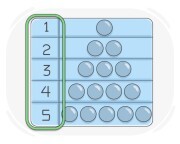
estimación, cálculo aproximado

Ex: The scientist gave an estimate of the time it would take to complete the research. 
figure
figure
[Sustantivo]

a symbol that represents any number between 0 and 9

cifra

cifra

Ex: She wrote down the figures for the monthly expenses. 
scheme
scheme
[Sustantivo]

an organized and carefully planned course of action

plan, proyecto

plan, proyecto

Ex: The city council approved a housing scheme. 
according to
according to
[Preposición]

in regard to what someone has said or written

según

según

Ex: The book, according to the author, offers a unique perspective on the subject. 

El libro, según el autor, ofrece una perspectiva única sobre el tema.

considerable
considerable
[Adjetivo]

large in quantity, extent, or degree

considerable, importante

considerable, importante

Ex: The storm left a considerable amount of debris scattered across the neighborhood. 

La tormenta dejó una cantidad considerable de escombros esparcidos por el vecindario.
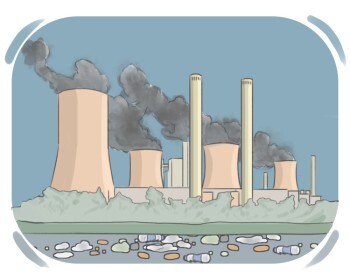
pollution
pollution
[Sustantivo]

a change in water, air, etc. that makes it harmful or dangerous

contaminación, polución

contaminación, polución

Ex: Due to the severe pollution, many species of birds no longer visit the area. 
transition
transition
[Sustantivo]

the process or period of changing from one state, condition, or situation to another

transición

transición

Ex: The company is going through a period of transition. 
conventional
conventional
[Adjetivo]

generally accepted and followed by many people

convencional

convencional

Ex: Sending thank-you cards after receiving gifts is considered conventional etiquette. 

Enviar tarjetas de agradecimiento después de recibir regalos se considera una etiqueta convencional.

to compensate

to make up for a weakness, disadvantage, or lack by providing something that balances its effects

compensar,  suplir

compensar, suplir

Ex: Daniel worked extra hours to compensate for the time he had lost. 
redundant
redundant
[Adjetivo]

no longer employed because there is no more work available or the position is no longer necessary

despedido, redundante

despedido, redundante

Ex: Many redundant staff members were given severance packages. 

A muchos miembros del personal redundantes se les dieron paquetes de indemnización.

infrastructure
infrastructure
[Sustantivo]

the physical and organizational assets, such as roads, bridges, utilities, and public services, that support economic activity and daily life

infraestructura

infraestructura

Ex: The city's infrastructure includes highways, water systems, and public transit. 

La infraestructura de la ciudad incluye carreteras, sistemas de agua y transporte público.

turnover
turnover
[Sustantivo]

the rate at which a business sells and replaces its stock of goods during a particular period

rotación de existencias,  rotación de inventario

rotación de existencias, rotación de inventario

Ex: The company is trying to improve inventory turnover. 
landscape
landscape
[Sustantivo]

a broad or comprehensive mental perspective or view

panorama, perspectiva

panorama, perspectiva

Ex: She considered the landscape of human emotions in her study. 
telepresence
telepresence
[Sustantivo]

technology that allows people to control devices or join events from a distance by creating a realistic virtual experience

telepresencia, presencia remota

telepresencia, presencia remota

Ex: The company uses telepresence for virtual meetings with global teams. 

La empresa utiliza la telepresencia para reuniones virtuales con equipos globales.

mobility
mobility
[Sustantivo]

the ability to move or be moved freely and easily from one place, position, job, or social situation to another

movilidad

movilidad

Ex: Remote work has increased job mobility for many employees. 
disabled
disabled
[Adjetivo]

completely or partial inability to use a part of one's body or mind, caused by an illness, injury, etc.

discapacitado

discapacitado

Ex: The disabled veteran is honored for their service and sacrifice. 
autonomy
autonomy
[Sustantivo]

the ability or freedom to make decisions and act independently

autonomía,  independencia

autonomía, independencia

Ex: Maria values the autonomy she has in running her own business. 
implication
implication
[Sustantivo]

a possible consequence that something can bring about

insinuación

insinuación

Ex: The report highlighted the implications of climate change for future generations. 
initiative
initiative
[Sustantivo]

the willingness to take action and start new things without being prompted or directed

iniciativa, espíritu de iniciativa
iniciativa, espíritu de iniciativa

Ex: Initiative is key to success in fast-paced work environments. 
viable
viable
[Adjetivo]

having the ability to be executed or done successfully

viable

viable

Ex: Switching to renewable energy sources is a viable solution to combat climate change. 

Cambiar a fuentes de energía renovable es una solución viable para combatir el cambio climático.

LanGeek
Descargar la aplicación LanGeek
