
Cambridge IELTS 15 - Académico - Prueba 2 - Lectura - Pasaje 1
Aprende vocabulario del Cambridge IELTS 15 Academic, Test 2 Reading Passage 1, y repasa palabras y expresiones útiles de este texto de lectura.
Revisión
Tarjetas de memoria
formas
Ortografía
Cuestionario

addressing the structures, functions, or issues of cities and their populations

urbano
La sociología urbana explora cómo las personas interactúan dentro de los entornos urbanos.

using natural resources in a way that causes no harm to the environment
sostenible
Construyeron un sistema de energía sostenible con paneles solares.
to represent a specific amount or portion of a whole
representar, constituir
La población anciana representa un porcentaje creciente de los gastos en atención médica.
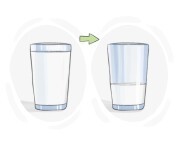
the act of using up something, such as resources, energy, or materials
consumo
(of a country, society, region, etc.) having advanced economically and socially, characterized by a strong industrial base and higher standards of living
desarrollado, avanzado
Muchas personas de países en desarrollo aspiran a mudarse a una nación desarrollada en busca de mejores oportunidades laborales y calidad de vida.
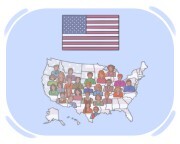
a country considered as a group of people that share the same history, language, etc., and are ruled by the same government
nación
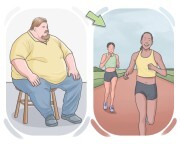
the ability to move or be moved freely and easily from one place, position, job, or social situation to another
movilidad
an idea or belief that one thinks is true without having a proof
suposición
special importance given to something over other items or considerations
énfasis
En su campaña de marketing, la empresa buscaba poner énfasis en las características innovadoras de su nuevo producto para distinguirlo de la competencia.
with no one or nothing else involved
solo
Se centraron únicamente en la satisfacción del cliente durante el rediseño.
the ability to act or function with minimum effort, time, and resources
eficiencia
related to or involving numbers or amounts, not quality
cuantitativo
El método de investigación cuantitativa involucró encuestas con datos numéricos para medir la satisfacción del cliente.

information or facts collected to be used for various purposes
datos
(of actions, ideas, etc.) very new and different from the norm
radical
a person who creates and designs dance movements and routines, typically for performances, shows, or productions
coreógrafo
El coreógrafo trabajó estrechamente con los bailarines para perfeccionar cada movimiento.
to cause a nerve, organ, cell, or other part of the body to become active or respond
estimular, excitar
a person who studies human society, social behavior, and how people interact with each other in groups
sociólogo, especialista en sociología
Un sociólogo examina cómo evolucionan las sociedades con el tiempo.

a detailed technical or architectural plan showing dimensions, materials, and specifications for construction or production
cianotipo, plano
La disposición de la fábrica se ilustró en un gran plano técnico.

belonging or related to the Middle Ages, the period in European history from roughly the 5th to the 15th century
medieval
Los historiadores a menudo se refieren al tiempo entre la caída del Imperio Romano y el Renacimiento como el período medieval.
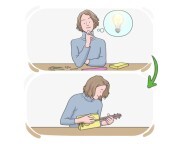
to create or make something using whatever materials or resources are available
improvisar, arreglárselas con lo que hay
Durante la tormenta, improvisaron un refugio con los materiales que tenían.
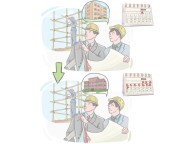
to change something so that it is suitable for a different purpose, situation, or need
adaptar
based on detailed and thorough knowledge gained through close study or experience
profundo, íntimo

an area of land on which something is, was, or will be constructed
lugar

to form or develop an idea, plan, or concept in the mind
concebir

to remove or separate something
desprender, separar
Con cuidado despegó la pegatina de la portada del libro.

a disadvantage or the feature of a situation that makes it unacceptable
inconveniente
Si bien el plan tiene muchos beneficios, el inconveniente es su alto costo.
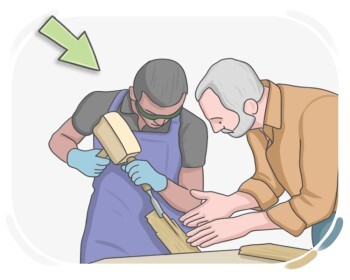
to explain or show the meaning of something using examples, pictures, etc.
explicar
a way of doing something or dealing with a problem
enfoque, planteamiento
widespread or commonly occurring at a particular time or in a particular place
predominante, prevalente
La desigualdad de género sigue siendo prevalente en muchos lugares de trabajo a pesar de los esfuerzos por promover la diversidad.
a network of regularly spaced horizontal and vertical lines used to locate, measure, or plot positions
cuadrícula, rejilla
to plan or create something with a particular purpose or future use in mind
tener la intención, planear
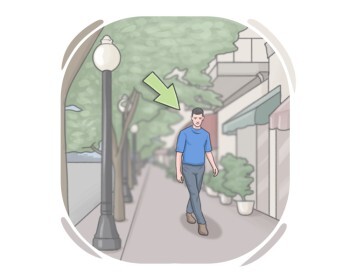
a person who is on foot and not in or on a vehicle
peatón
Los peatones deben siempre usar la acera y evitar caminar en la carretera.
inclined to help or support; not antagonistic or hostile
amistoso, bondadoso
to devote a lot of effort, time, etc. to something from which one expects to achieve a good result
invertir
complete confidence in a person or plan etc
fe, confianza
receiving or involving assistance, especially of the kind specified by a preceding word
asistido
to function in a specific way
funcionar

to consider something when trying to make a judgment or decision
tener algo en cuenta, tomar algo en consideración
Deberías tener en cuenta el tiempo al planear el viaje.
(of a thing or type of behavior) appropriate for or intended to defend one against damage or harm
protector, defensivo
El equipo protector que usaban los trabajadores los protegió de los peligros potenciales en el lugar de trabajo.
a canopy made of canvas to shelter people or things from rain or sun
toldo, marquesina
not hospitable or inviting, often creating a sense of discomfort or unease
poco acogedor, inhóspito
El pueblo parecía poco acogedor para los forasteros.
to cause a person to dislike someone or something
desalentar
Ella fue desalentada por sus constantes interrupciones durante la conversación.
to change something from one form, state, function, or medium into another
cambiar
to exert a significant influence on the development, nature, or outcome of something
moldear, influir
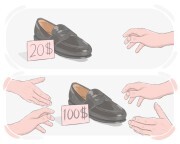
contradictory to the expectations that are formed on common sense or intuition
ilógico
Los resultados contraintuitivos sorprendieron a los científicos y requirieron más investigación.

a barrier along the edge of a road or bridge to stop cars from going off the road
barrera de seguridad, quitamiedos
La barrera de seguridad salvó al coche de caer en el barranco.

to give a higher level of importance or urgency to a particular task, goal, or objective compared to others
priorizar, dar prioridad
Él priorizó ahorrar dinero para su futuro en lugar de gastar en lujos.
the state of moving constantly and steadily
corriente
to organize or set objects or events in a way that avoids overlapping
escalonar, desfasar
Los semáforos estaban programados para escalonar los intervalos entre las fases roja y verde.
a basic element of design that refers to a small, clearly defined location or mark on a surface
punto, marca
one of the two sides of a motorway where traffic travels in one direction only usually in two or three lanes
calzada, carril
an obstacle that separates people or hinders any progress or communication
barrera
capable of changing quickly or easily in condition, expression, or response
móvil, expresivo
an action that causes a delay or interruption in the ongoing continuity of an activity or process
interrupción, perturbación
La repentina enfermedad del actor principal causó una interrupción en la representación de la obra.

materials that have no use and are unwanted
residuos

related to the core and most important or basic parts of something
fundamental
possessing or providing an abundance of resources or qualities
rico, abundante
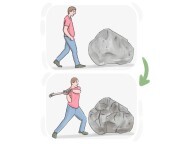
to try to deal with a difficult problem or situation in a determined manner
abordar, confrontar
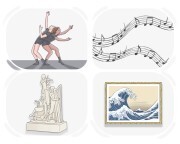
an artistic expression delivered by different means of art like music or painting
manifestación artística, forma de arte, forma de expresión artística
relating to the enjoyment or appreciation of beauty or art, especially visual art
estético
Sus prioridades estéticas influyeron en el uso de paletas neutras y materiales orgánicos en el rediseño.

a possible consequence that something can bring about
insinuación

referring to mental processes involved in understanding, thinking, and remembering
cognitivo
to fake or act as if experiencing a particular emotion
simular, fingir
El actor simuló alegría durante la escena, aunque se sentía nervioso.
with no other reason or purpose involved
puramente
Su interés por la astronomía era puramente científico, impulsado por una curiosidad sobre el cosmos y no por ninguna aspiración comercial.
concerned with general theories or ideas rather than practical situations or applications
abstracto, teórico
a high level of specialized knowledge or skill in a particular subject or activity
experiencia, pericia

the size, amount, or degree of one thing compared with another
escala
designed mainly to be practical and useful rather than attractive
funcional
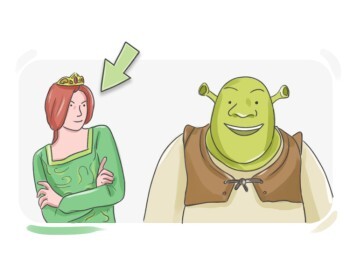
pleasing and likely to arouse interest or desire
atractivo, atrayente
Su brillante sonrisa y sus ojos centelleantes la hacían instantáneamente atractiva para todos los que conocía.
a conceptual distinction between ideas or categories
contraste, oposición

a goal that one wants to achieve
objetivo
not expected or anticipated, often leading to surprise or disruption
imprevisto, inesperado
La empresa tuvo que adaptarse rápidamente a los cambios inesperados en las tendencias del mercado.

to begin to exist or become noticeable
surgir, aparecer
any action or maneuver taken as part of a plan or strategy to achieve a specific goal or progress toward an objective
medida, disposición
to change something such as a process, situation, etc. to be the opposite of what it was before
invertir
