
Cambridge IELTS 15 - Akademický - Test 2 - Čtení - Úryvek 1
Zde najdete slovní zásobu z Testu 2 - Čtení - Pasáž 1 v akademické učebnici Cambridge IELTS 15, která vám pomůže připravit se na zkoušku IELTS.
Revize
Kartičky
tvary
Pravopis
Kvíz

addressing the structures, functions, or issues of cities and their populations

městský, urbanistický
Reformy městské politiky mají za cíl snížit dopravní zácpy ve velkých městech.

using natural resources in a way that causes no harm to the environment
udržitelný, šetrný k životnímu prostředí
Komunity přijímají udržitelné hospodaření s vodou k zachování zdrojů.
to represent a specific amount or portion of a whole
představovat, tvořit
Náklady spojené s marketingovými aktivitami tvoří podstatnou část celkového rozpočtu.
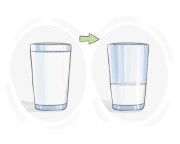
the act of using up something, such as resources, energy, or materials
spotřeba, použití
Denní spotřeba baleného zboží se trvale zvyšovala.
(of a country, society, region, etc.) having advanced economically and socially, characterized by a strong industrial base and higher standards of living
rozvinutý, pokročilý
Jak technologie pokračuje v pokroku, dokonce i některé vyspělé země čelí výzvám souvisejícím s udržitelností a dopadem na životní prostředí.
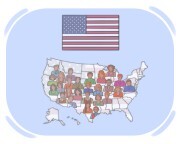
a country considered as a group of people that share the same history, language, etc., and are ruled by the same government
národ, země
Hlavní město národa je domovem jeho vlády a politických vůdců.
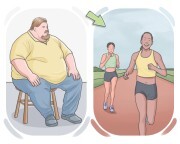
the ability to move easily or be freely moved from one place, job, etc. to another
mobilita, schopnost pohybu
Ekonomický růst regionu je částečně způsoben mobilitou jeho pracovní síly.
an idea or belief that one thinks is true without having a proof
předpoklad, domněnka
Rozhodnutí bylo založeno na předpokladu, že financování bude schváleno.
special importance given to something over other items or considerations
důraz, zdůraznění
Řečník kladl důraz na tvorbu pracovních míst a hospodářský růst jako klíčové priority své politické agendy.
with no one or nothing else involved
pouze, výhradně
Pravidlo existuje pouze za účelem zabránění zneužití prostředků.
the ability to act or function with minimum effort, time, and resources
efektivita, účinnost
Rekonstrukce domu zabrala méně času díky efektivitě dodavatele v plánování a pořadí úkolů.
related to or involving numbers or amounts, not quality
kvantitativní, numerický
Výkonnost společnosti byla hodnocena pomocí kvantitativních metrik, jako je růst tržeb a podíl na trhu.

information or facts collected to be used for various purposes
data, informace
Sčítání lidu shromažďuje demografické údaje, aby porozumělo populačním trendům.
(of actions, ideas, etc.) very new and different from the norm
radikální, revoluční
Udělala radikální krok tím, že opustila práci, aby mohla cestovat po světě.
a person who creates and designs dance movements and routines, typically for performances, shows, or productions
choreograf
Sní o tom, že se stane choreografkou pro velké taneční produkce.
to encourage or provoke a response, reaction, or activity
stimulovat, povzbuzovat
Teplé počasí stimulovalo růst rostlin v zahradě.
a person who studies human society, social behavior, and how people interact with each other in groups
sociolog, odborník na sociologii
Jako sociolog se zajímá o třídní struktury a ekonomickou nerovnost.

a detailed technical or architectural plan showing dimensions, materials, and specifications for construction or production
podrobný plán, technický plán
Plán zahrnoval každý elektrický a instalační detail.
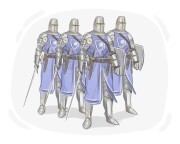
belonging or related to the Middle Ages, the period in European history from roughly the 5th to the 15th century
středověký, patřící do středověku
Hrad je mistrovským dílem středověké architektury, s věžemi a cimbuřím.
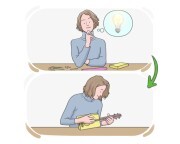
to create or make something using whatever materials or resources are available
improvizovat, vytvořit z dostupných prostředků
S omezenými zásobami improvizovali lékárničku k ošetření zranění.
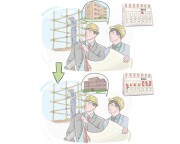
to change something in a way that suits a new purpose or situation better
přizpůsobit, adaptovat
Společnost v současné době přizpůsobuje funkce svého produktu na základě zpětné vazby od zákazníků.
knowing someone or something very well through close study or personal experience
důvěrný, blízký
Po letech života tam se stala důvěrně obeznámena s vrtochy a kouzly sousedství.

an area of land on which something is, was, or will be constructed
místo, staveniště
Navštívili jsme historické místo, kde se odehrála rozhodující bitva.

to produce a plan, idea, etc. in one's mind
vymyslet, představit si
Autorovi trvalo roky, než vymyslel poutavý děj pro román.

to remove or separate something
oddělit, odpojit
Aby mechanik opravil poškozenou část, musel ji od motoru oddělit.
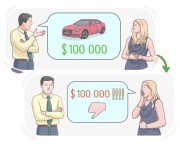
a disadvantage or the feature of a situation that makes it unacceptable
nevýhoda, zápor
I když nabídka vypadá atraktivně, její nevýhoda je nedostatek flexibility.
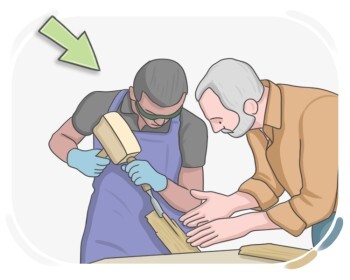
to explain or show the meaning of something using examples, pictures, etc.
ilustrovat, vysvětlit na příkladech
Použil graf k ilustraci růstu společnosti v průběhu let.
a way of doing something or dealing with a problem
přístup, metoda
Tým probíral různé přístupy k marketingu produktu.
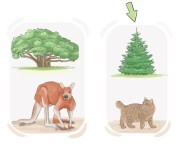
widespread or commonly occurring at a particular time or in a particular place
rozšířený, převládající
V této oblasti je malárie rozšířená během deštivého období.
a framework of spaced lines, horizontal and vertical, used as a reference for plotting points
mřížka, síť
to plan or create something with a particular purpose or future use in mind
zamýšlet, plánovat
Zamýšlel, aby byl dárek překvapením k jejím narozeninám.
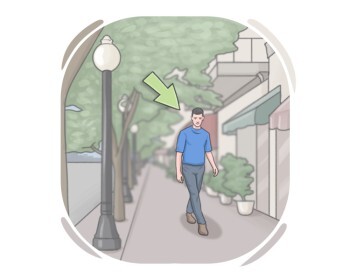
a person who is on foot and not in or on a vehicle
chodce, pěší
Chodec přešel ulici na vyznačeném přechodu pro chodce.
inclined to help or support; not antagonistic or hostile
přátelský, ochotný pomoci
to devote a lot of effort, time, etc. to something from which one expects to achieve a good result
investovat, věnovat
Investovala své úspory do charitativního projektu, jehož cílem bylo zlepšit místní vzdělávání.
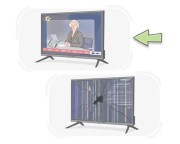
to function in a specific way
fungovat, provozovat
Zatímco opravy probíhaly, záložní generátor fungoval, aby zajistil elektřinu.
![to [take] {sth} into account](https://cdn.langeek.co/photo/42092/thumb/350?type=jpeg "to [take] {sth} into account")
to consider something when trying to make a judgment or decision
vzít něco v úvahu, počítat s něčím
Zpráva nebere v úvahu místní potřeby, takže její doporučení působí nerealisticky.
(of a thing or type of behavior) appropriate for or intended to defend one against damage or harm
ochranný, obranný
Ochranná povaha matky se projevila, když pocítila ohrožení bezpečnosti svých dětí, což ji přimělo jednat rychle.
a canopy made of canvas to shelter people or things from rain or sun
markýza, slunečník
not hospitable or inviting, often creating a sense of discomfort or unease
nepřátelský, nepříjemný
Nevstřícný přístup personálu odradil zákazníky.
to cause a person to dislike someone or something
odradit, odpudit
Byli odrazeni vysokými cenami a rozhodli se nakupovat jinde.
to convert or transform something from one state, format, or medium into another
přeložit, přeměnit
Architekt obratně přeložil klientovu vizi snového domu do podrobného plánu.
to exert a significant influence on the development, nature, or outcome of something
utvářet, ovlivňovat
Politické ideologie a politiky mohou utvářet socioekonomickou krajinu národa a životy jeho občanů.
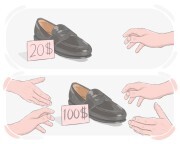
contradictory to the expectations that are formed on common sense or intuition
protiintuitivní
Výsledky výzkumu byly protichůdné, což zpochybňovalo běžné přesvědčení.
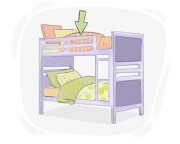
a barrier along the edge of a road or bridge to stop cars from going off the road
svodidlo, ochranná zábrana
Zábradlí bylo natřeno světle žlutou barvou pro viditelnost.

to give a higher level of importance or urgency to a particular task, goal, or objective compared to others
upřednostňovat, dát přednost
Ona upřednostňuje své zdraví před vším ostatním.
the state of moving constantly and steadily
proudění, tok
Pohyb písečných dun je ovlivněn směrem a prouděním větru.
to organize or set objects or events in a way that avoids overlapping
rozložit, posunout v čase
V sborovém vystoupení ředitel instruoval zpěváky, aby rozložili své vstupy pro harmonický efekt.
a basic element of design that refers to a small, clearly defined location or mark on a surface
bod, značka
Identifikoval bod, kde se obě čáry protínaly.
one of the two sides of a motorway where traffic travels in one direction only usually in two or three lanes
jízda, jízdní pruh
an obstacle that separates people or hinders any progress or communication
bariéra, překážka
Strach může být psychologickou překážkou úspěchu.
capable of changing quickly from one state or condition to another
pohyblivý, proměnlivý
an action that causes a delay or interruption in the ongoing continuity of an activity or process
přerušení, narušení
Aktualizace softwaru způsobila dočasné přerušení služby.
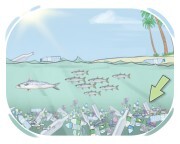
materials that have no use and are unwanted
odpad, smetí
Recyklace pomáhá snižovat množství odpadu odesílaného na skládky opětovným používáním materiálů, jako je papír, sklo a plast.
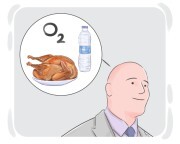
related to the core and most important or basic parts of something
základní, podstatný
Porozumění základní matematice je základní pro řešení složitějších problémů.
possessing or providing an abundance of resources or qualities
bohatý, hojný
Oblast je bohatá na přírodní zdroje, včetně ropy, uhlí a úrodné půdy.
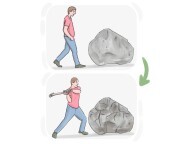
to try to deal with a difficult problem or situation in a determined manner
řešit, vypořádat se s
Vlády po celém světě řeší změnu klimatu prostřednictvím různých iniciativ.
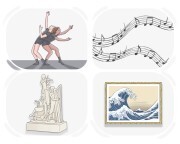
an artistic expression delivered by different means of art like music or painting
umělecká forma, umělecký výraz
relating to the enjoyment or appreciation of beauty or art, especially visual art
estetický
Její blog je věnován zkoumání estetických aspektů současné architektury.

a possible consequence that something can bring about
implikace, důsledek
Jeho rozhodnutí snížit náklady má vážné důsledky pro morálku zaměstnanců.
referring to mental processes involved in understanding, thinking, and remembering
kognitivní, duševní
Řešení problémů vyžaduje kognitivní dovednosti, jako je kritické myšlení a rozhodování.
to fake or act as if experiencing a particular emotion
simulovat, předstírat
Předstírala smutek, aby získala soucit svých přátel.
with no other reason or purpose involved
čistě, prostě
Její kompliment k výkonu byl čistě upřímný, vyjadřující obdiv bez skrytého programu.
approaching a subject in a theoretical way, without concern for practical application or real-world examples
abstraktní, teoretický
Abstraktní věda zkoumá teoretické rámce, které nemusí být ještě použitelné.
high level of skill, knowledge, or proficiency in a particular field or subject matter
expertíza, znalost
Odborné znalosti právníka v oblasti smluvního práva zajistily, že právní dohody byly důkladné a vymahatelné.
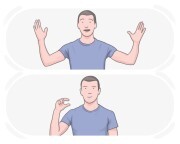
the size, amount, or degree of one thing compared with another
měřítko, rozsah
Musíme posoudit rozsah problému, než se rozhodneme o vhodném řešení.
made for practical use, not for looks
funkční
Design židle je čistě funkční, bez dalších detailů.
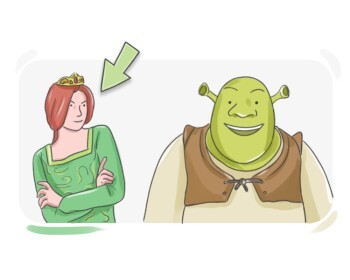
pleasing and likely to arouse interest or desire
přitažlivý, okouzlující
Jeho drsná, ale pohledná tvář a charismatická osobnost ho činily přitažlivým pro muže i ženy.
a conceptual distinction between ideas or categories
kontrast, protiklad
Vysvětlila kontrast mezi dvěma přístupy k řešení problémů.

a goal that one wants to achieve
cíl
Jejím hlavním cílem je dokončit projekt do konce měsíce.
not expected or anticipated, often leading to surprise or disruption
nepředvídaný, neočekávaný
Pojištění jsou navržena tak, aby poskytovala krytí pro nepředvídané nouzové situace a nehody.

to begin to exist or become noticeable
vzniknout, objevit se
Během projektu mohou nastat neočekávané výzvy, které vyžadují rychlé řešení problémů.
any action or maneuver taken as part of a plan or strategy to achieve a specific goal or progress toward an objective
opatření, krok
Jako preventivní opatření nainstalovali po celé budově detektory kouře.
to change something such as a process, situation, etc. to be the opposite of what it was before
obrátit, změnit
Zpětná vazba spotřebitelů vedla designový tým k obrácení určitých funkcí produktu.
