pattern

Cambridge IELTS 15 - Academic - Test 2 - Czytanie - Fragment 1

Ucz się słownictwa z Cambridge IELTS 15 Academic, Test 2 Reading Passage 1 i powtarzaj przydatne słowa i wyrażenia z tego tekstu do czytania.

Przegląd

Fiszki

formy

Pisownia

Test
Zacznij naukę
Cambridge IELTS 15 - Academic
urban
urban
[przymiotnik]

addressing the structures, functions, or issues of cities and their populations

miejski, urbanistyczny

miejski, urbanistyczny

Ex: Researchers studied urban migration patterns over the last decade. 

Naukowcy badali wzorce migracji miejskiej w ciągu ostatniej dekady.

sustainable
sustainable
[przymiotnik]

using natural resources in a way that causes no harm to the environment

zrównoważony,  przyjazny dla środowiska

zrównoważony, przyjazny dla środowiska

Ex: The company focuses on sustainable production methods. 

Firma koncentruje się na zrównoważonych metodach produkcji.

to account for
to account for
[Czasownik]

to represent a specific amount or portion of a whole

stanowić, reprezentować

stanowić, reprezentować

Ex: The new product line is expected to account for a considerable share of the company's future profits. 

Oczekuje się, że nowa linia produktów będzie stanowić znaczną część przyszłych zysków firmy.
consumption
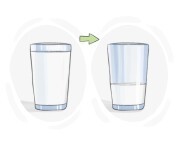
consumption
[Rzeczownik]

the act of using up something, such as resources, energy, or materials

konsumpcja, użycie

konsumpcja, użycie

Ex: The rapid consumption of fuel raised concerns about sustainability. 
developed
developed
[przymiotnik]

(of a country, society, region, etc.) having advanced economically and socially, characterized by a strong industrial base and higher standards of living

rozwinięty, zaawansowany

rozwinięty, zaawansowany

Ex: The infrastructure in developed countries tends to be well-maintained, featuring reliable public transportation and efficient utilities. 

Infrastruktura w rozwiniętych krajach jest zazwyczaj dobrze utrzymana, z niezawodnym transportem publicznym i wydajnymi usługami komunalnymi.
nation
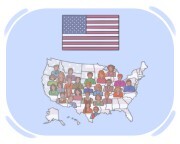
nation
[Rzeczownik]

a country considered as a group of people that share the same history, language, etc., and are ruled by the same government

naród, kraj
naród, kraj

Ex: France is a nation known for its art, cuisine, and strong sense of national identity. 
mobility
mobility
[Rzeczownik]

the ability to move or be moved freely and easily from one place, position, job, or social situation to another

mobilność,  ruchliwość

mobilność, ruchliwość

Ex: Affordable transportation can improve mobility between rural areas and cities. 
assumption
assumption
[Rzeczownik]

an idea or belief that one thinks is true without having a proof

założenie, hipoteza

założenie, hipoteza

Ex: His assumption about the meeting time was incorrect. 
emphasis
emphasis
[Rzeczownik]

special importance given to something over other items or considerations

nacisk, znaczenie

nacisk, znaczenie

Ex: The speaker placed emphasis on job creation and economic growth as the key priorities for their policy agenda. 

Mówca położył nacisk na tworzenie miejsc pracy i wzrost gospodarczy jako kluczowe priorytety swojej agendy politycznej.

solely
solely
[przysłówek]

with no one or nothing else involved

wyłącznie, jedynie

wyłącznie, jedynie

Ex: He donated the money solely out of gratitude. 

Podarował pieniądze wyłącznie z wdzięczności.

efficiency
efficiency
[Rzeczownik]

the ability to act or function with minimum effort, time, and resources

wydajność,  efektywność

wydajność, efektywność

Ex: She completed the task with impressive speed and efficiency. 
quantitative
quantitative
[przymiotnik]

related to or involving numbers or amounts, not quality

ilościowy, numeryczny

ilościowy, numeryczny

Ex: Quantitative research relies on statistical techniques to draw conclusions from numerical data. 

Badania ilościowe polegają na technikach statystycznych, aby wyciągać wnioski z danych liczbowych.

data
data
[Rzeczownik]

information or facts collected to be used for various purposes

dane, informacje

dane, informacje

Ex: The scientist analyzed the data collected from the experiment. 
radical
radical
[przymiotnik]

(of actions, ideas, etc.) very new and different from the norm

radykalny, rewolucyjny

radykalny, rewolucyjny

Ex: The scientist proposed a radical theory that challenged established beliefs. 
choreographer
choreographer
[Rzeczownik]

a person who creates and designs dance movements and routines, typically for performances, shows, or productions

choreograf

choreograf

Ex: Many famous choreographers have influenced modern dance styles. 

Wielu sławnych choreografów wpłynęło na style tańca współczesnego.

to stimulate
to stimulate
[Czasownik]

to cause a nerve, organ, cell, or other part of the body to become active or respond

pobudzać,  stymulować

pobudzać, stymulować

Ex: Electrical signals stimulated the damaged muscles during therapy. 
sociologist
sociologist
[Rzeczownik]

a person who studies human society, social behavior, and how people interact with each other in groups

socjolog, specjalista od socjologii

socjolog, specjalista od socjologii

Ex: The book was written by a well-known sociologist specializing in gender studies. 

Książka została napisana przez znanego socjologa specjalizującego się w badaniach genderowych.

blueprint
blueprint
[Rzeczownik]

a detailed technical or architectural plan showing dimensions, materials, and specifications for construction or production

szczegółowy plan, plan techniczny

szczegółowy plan, plan techniczny

Ex: Students studied the blueprint to understand the building's structure. 

Studenci przestudiowali plan, aby zrozumieć strukturę budynku.
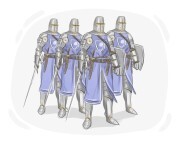
medieval
medieval
[przymiotnik]

belonging or related to the Middle Ages, the period in European history from roughly the 5th to the 15th century

średniowieczny, należący do średniowiecza

średniowieczny, należący do średniowiecza

Ex: The castle is a masterpiece of medieval architecture, complete with towers and battlements. 

Zamek jest arcydziełem średniowiecznej architektury, z wieżami i blankami.
to improvise
to improvise
[Czasownik]

to create or make something using whatever materials or resources are available

improwizować, radzić sobie z dostępnymi materiałami

improwizować, radzić sobie z dostępnymi materiałami

Ex: The chef improvised a delicious dessert with only a few simple ingredients. 

Szef zaimprowizował pyszny deser, używając tylko kilku prostych składników.
to adapt
to adapt
[Czasownik]

to change something so that it is suitable for a different purpose, situation, or need

adaptować, dostosować

adaptować, dostosować

Ex: Teachers often adapt their lessons to suit different learning styles. 
intimate
intimate
[przymiotnik]

based on detailed and thorough knowledge gained through close study or experience

dogłębny, szczegółowy

dogłębny, szczegółowy

Ex: The guide has intimate knowledge of every trail in the region. 
site
site
[Rzeczownik]

an area of land on which something is, was, or will be constructed

teren, plac

teren, plac

Ex: The construction workers cleared the site for the new office building. 
to conceive
to conceive
[Czasownik]

to form or develop an idea, plan, or concept in the mind

wymyślać,  koncepbować

wymyślać, koncepbować

Ex: The advertising campaign was conceived during a late-night meeting. 
to detach
to detach
[Czasownik]

to remove or separate something

odłączyć, oddzielić

odłączyć, oddzielić

Ex: The chef detached the meat from the bone with precision. 

Szef oddzielił mięso od kości z precyzją.

drawback
drawback
[Rzeczownik]

a disadvantage or the feature of a situation that makes it unacceptable

wada, minus

wada, minus

Ex: One significant drawback of living in a big city is the noise pollution. 

Jedną znaczącą wadą życia w dużym mieście jest zanieczyszczenie hałasem.
to illustrate
to illustrate
[Czasownik]

to explain or show the meaning of something using examples, pictures, etc.

ilustrować, wyjaśniać na przykładach

ilustrować, wyjaśniać na przykładach

Ex: The teacher illustrated the concept with a simple diagram on the board. 
approach
approach
[Rzeczownik]

a way of doing something or dealing with a problem

podejście, metoda
podejście, metoda

Ex: The teacher's approach to discipline focuses on positive reinforcement. 
prevalent
prevalent
[przymiotnik]

widespread or commonly occurring at a particular time or in a particular place

powszechny, dominujący

powszechny, dominujący

Ex: In this region, malaria is prevalent during the rainy season. 

W tym regionie malaria jest powszechna w porze deszczowej.

grid
grid
[Rzeczownik]

a network of regularly spaced horizontal and vertical lines used to locate, measure, or plot positions

siatka,  krata

siatka, krata

Ex: The designer placed the text according to a rectangular grid. 
to intend
to intend
[Czasownik]

to plan or create something with a particular purpose or future use in mind

zamierzać, planować
zamierzać, planować

Ex: The architect intended the building to serve as both a residence and a workspace. 
pedestrian
pedestrian
[Rzeczownik]

a person who is on foot and not in or on a vehicle

pieszy, przechodzień

pieszy, przechodzień

Ex: As a pedestrian, you must be cautious when crossing busy roads. 

Jako pieszy musisz zachować ostrożność podczas przekraczania ruchliwych dróg.

friendly
friendly
[przymiotnik]

inclined to help or support; not antagonistic or hostile

przyjazny, pomocny

przyjazny, pomocny

Ex: The country remained friendly toward its neighbors. 
to invest
to invest
[Czasownik]

to devote a lot of effort, time, etc. to something from which one expects to achieve a good result

inwestować, poświęcać

inwestować, poświęcać

Ex: She decided to invest her time in learning a new language, hoping it would enhance her career prospects. 
faith
faith
[Rzeczownik]

complete confidence in a person or plan etc

wiara, zaufanie

wiara, zaufanie

Ex: Their support helped restore her faith in the project. 
aided
aided
[przymiotnik]

receiving or involving assistance, especially of the kind specified by a preceding word

wspomagany
wspomagany

Ex: Students attended state-aided schools throughout the region. 
to operate
to operate
[Czasownik]

to function in a specific way

działać, operować

działać, operować

Ex: The machine operates smoothly when all components are in good condition. 
to [take] {sth} into account

to consider something when trying to make a judgment or decision

wziąć coś pod uwagę, uwzględnić coś

wziąć coś pod uwagę, uwzględnić coś

Ex: Her experience should be taken into account, even if she doesn't have the formal qualifications. 

Jej doświadczenie powinno zostać uwzględnione, nawet jeśli nie ma formalnych kwalifikacji.

protective
protective
[przymiotnik]

(of a thing or type of behavior) appropriate for or intended to defend one against damage or harm

ochronny, obronny

ochronny, obronny

Ex: The organization implemented strict security measures as a protective measure against potential cyber attacks. 

Organizacja wdrożyła surowe środki bezpieczeństwa jako ochronny środek przeciwko potencjalnym atakom cybernetycznym.

awning
awning
[Rzeczownik]

a canopy made of canvas to shelter people or things from rain or sun

markiza, daszek

markiza, daszek

unwelcoming
unwelcoming
[przymiotnik]

not hospitable or inviting, often creating a sense of discomfort or unease

niegościnny, niesympatyczny

niegościnny, niesympatyczny

Ex: She felt uneasy in the unwelcoming office. 

Czuła się nieswojo w nieprzyjaznym biurze.

to put off
to put off
[Czasownik]

to cause a person to dislike someone or something

zniechęcać, odstręczać

zniechęcać, odstręczać

Ex: They were initially excited about the trip, but the bad reviews put them off. 

Początkowo byli podekscytowani podróżą, ale złe recenzje ich zniechęciły.

to translate
to translate
[Czasownik]

to change something from one form, state, function, or medium into another

przekształcać,  przekładać

przekształcać, przekładać

Ex: The software translates raw data into useful visual displays. 
to shape
to shape
[Czasownik]

to exert a significant influence on the development, nature, or outcome of something

kształtować, wpływać
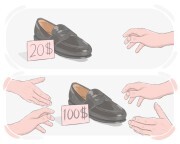
kształtować, wpływać

Ex: Early childhood experiences can shape a person's personality and attitudes later in life. 
counterintuitive
counterintuitive
[przymiotnik]

contradictory to the expectations that are formed on common sense or intuition

sprzeczny z intuicją

sprzeczny z intuicją

Ex: The solution to the problem was counterintuitive but effective. 

Rozwiązanie problemu było sprzeczne z intuicją, ale skuteczne.

guardrail
guardrail
[Rzeczownik]

a barrier along the edge of a road or bridge to stop cars from going off the road

barierka, bariera ochronna

barierka, bariera ochronna

Ex: They installed a new guardrail along the sharp curve. 

Zainstalowali nową barierę ochronną wzdłuż ostrego zakrętu.

to prioritize
to prioritize
[Czasownik]

to give a higher level of importance or urgency to a particular task, goal, or objective compared to others

priorytetyzować, nadawać priorytet

priorytetyzować, nadawać priorytet

Ex: We are prioritizing customer satisfaction in our business strategy. 

Priorytetyzujemy zadowolenie klienta w naszej strategii biznesowej.

flow
flow
[Rzeczownik]

the state of moving constantly and steadily

przepływ, strumień

przepływ, strumień

Ex: The flow of the river was gentle and serene as it wound through the valley. 
to stagger
to stagger
[Czasownik]

to organize or set objects or events in a way that avoids overlapping

rozstawiać etapowo, przesuwać w czasie

rozstawiać etapowo, przesuwać w czasie

Ex: The traffic lights were programmed to stagger the intervals between red and green phases. 

Światła drogowe zostały zaprogramowane tak, aby rozłożyć odstępy między fazami czerwonymi i zielonymi.

point
point
[Rzeczownik]

a basic element of design that refers to a small, clearly defined location or mark on a surface

punkt, znak

punkt, znak

Ex: The artist placed a point of red in the center of the canvas to draw attention. 
carriageway
carriageway
[Rzeczownik]

one of the two sides of a motorway where traffic travels in one direction only usually in two or three lanes

jezdnia, pas ruchu

jezdnia, pas ruchu

barrier
barrier
[Rzeczownik]

an obstacle that separates people or hinders any progress or communication

bariera, przeszkoda

bariera, przeszkoda

Ex: Language can be a barrier to effective communication. 
mobile
mobile
[przymiotnik]

capable of changing quickly or easily in condition, expression, or response

zmienny,  ruchliwy

zmienny, ruchliwy

Ex: The situation remained mobile and could change at any moment. 
disruption
disruption
[Rzeczownik]

an action that causes a delay or interruption in the ongoing continuity of an activity or process

zakłócenie, przerwa

zakłócenie, przerwa

Ex: The noise from the construction site was a constant disruption to their meetings. 

Hałas z placu budowy był stałym zakłóceniem podczas ich spotkań.
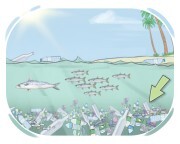
waste
waste
[Rzeczownik]

materials that have no use and are unwanted

odpady, śmieci

odpady, śmieci

Ex: Plastic waste poses a significant threat to marine ecosystems, with millions of tons of plastic entering oceans each year and endangering marine life. 
fundamental
fundamental
[przymiotnik]

related to the core and most important or basic parts of something

podstawowy, fundamentalny

podstawowy, fundamentalny

Ex: Following traffic laws is fundamental for safe driving. 
rich
rich
[przymiotnik]

possessing or providing an abundance of resources or qualities

bogaty, obfity
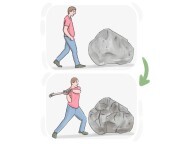
bogaty, obfity

Ex: The region is rich in natural resources. 
to tackle
to tackle
[Czasownik]

to try to deal with a difficult problem or situation in a determined manner

zmierzyć się, poradzić sobie
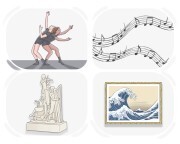
zmierzyć się, poradzić sobie

Ex: The team decided to tackle the project's complexity by breaking it into manageable tasks. 
art form
art form
[Rzeczownik]

an artistic expression delivered by different means of art like music or painting

forma sztuki, wyraz artystyczny

forma sztuki, wyraz artystyczny

aesthetic
aesthetic
[przymiotnik]

relating to the enjoyment or appreciation of beauty or art, especially visual art

estetyczny

estetyczny

Ex: The artist’s work was praised for its unique aesthetic quality and emotional depth. 

Praca artysty została pochwalona za jej unikalną jakość estetyczną i głębię emocjonalną.

implication
implication
[Rzeczownik]

a possible consequence that something can bring about

implikacja,  konsekwencja

implikacja, konsekwencja

Ex: She understood the implications of her choice to move to a new city. 
cognitive
cognitive
[przymiotnik]

referring to mental processes involved in understanding, thinking, and remembering

poznawczy, umysłowy

poznawczy, umysłowy

Ex: Cognitive neuroscience studies how brain structures contribute to mental processes. 
to simulate
to simulate
[Czasownik]

to fake or act as if experiencing a particular emotion

symulować, udawać

symulować, udawać

Ex: He could easily simulate surprise, making his stories more convincing. 

Mógł łatwo symulować zdziwienie, czyniąc swoje historie bardziej przekonującymi.

purely
purely
[przysłówek]

with no other reason or purpose involved

czysto, po prostu

czysto, po prostu

Ex: The statement was purely hypothetical and not meant to be interpreted as an actual plan. 

Oświadczenie było czysto hipotetyczne i nie miało być interpretowane jako rzeczywisty plan.

abstract
abstract
[przymiotnik]

concerned with general theories or ideas rather than practical situations or applications

abstrakcyjny,  teoretyczny

abstrakcyjny, teoretyczny

Ex: Their debate was largely abstract, with little reference to actual cases. 
expertise
expertise
[Rzeczownik]

a high level of specialized knowledge or skill in a particular subject or activity

Ex: The team lacks the expertise needed to repair the equipment. 
scale
scale
[Rzeczownik]

the size, amount, or degree of one thing compared with another

skala, rozmiar

skala, rozmiar

Ex: The scale of the earthquake was so immense that it caused widespread damage across the region. 
functional
functional
[przymiotnik]

designed mainly to be practical and useful rather than attractive

funkcjonalny, praktyczny
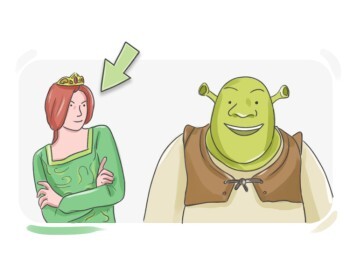
funkcjonalny, praktyczny

Ex: Their office design is functional rather than decorative. 
appealing
appealing
[przymiotnik]

pleasing and likely to arouse interest or desire

atrakcyjny, pociągający

atrakcyjny, pociągający

Ex: Her warm, welcoming smile made her instantly appealing to everyone she met. 

Jej ciepły, przyjazny uśmiech sprawiał, że była natychmiast atrakcyjna dla każdego, kogo spotkała.

contrast
contrast
[Rzeczownik]

a conceptual distinction between ideas or categories

kontrast, przeciwieństwo

kontrast, przeciwieństwo

Ex: The philosopher discussed the contrast between reality and illusion. 
objective
objective
[Rzeczownik]

a goal that one wants to achieve

cel

cel

Ex: The charity's objective is to raise funds to support local education programs. 
unforeseen
unforeseen
[przymiotnik]

not expected or anticipated, often leading to surprise or disruption

nieprzewidziany, niespodziewany

nieprzewidziany, niespodziewany

Ex: The team encountered unforeseen technical issues that prolonged the development process. 

Zespół napotkał nieprzewidziane problemy techniczne, które przedłużyły proces rozwoju.

to arise
to arise
[Czasownik]

to begin to exist or become noticeable

powstawać, pojawiać się

powstawać, pojawiać się

Ex: A sense of urgency arose when the company realized the impending deadline for product launch. 
measure
measure
[Rzeczownik]

any action or maneuver taken as part of a plan or strategy to achieve a specific goal or progress toward an objective

środek, działanie

środek, działanie

Ex: Implementing stricter security protocols was a necessary measure to protect the company's data. 
to reverse
to reverse
[Czasownik]

to change something such as a process, situation, etc. to be the opposite of what it was before

odwrócić, zmienić

odwrócić, zmienić

Ex: The new administration decided to reverse the previous government's policy on environmental regulations. 
LanGeek
Pobierz aplikację LanGeek