
Inglés de Cambridge: FCE (B2 First) - Fenómenos Naturales e Impacto Humano
Aprende vocabulario del FCE sobre fenómenos naturales e impacto humano, incluyendo el clima, los desastres, el cambio ambiental, la contaminación, los daños y los efectos sobre el mundo natural.
Revisión
Tarjetas de memoria
Ortografía
Cuestionario

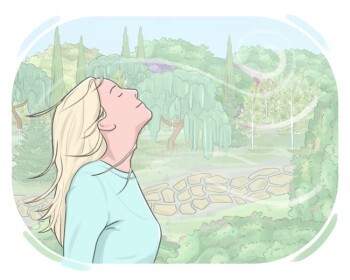
a light, gentle, and often pleasant wind

brisa
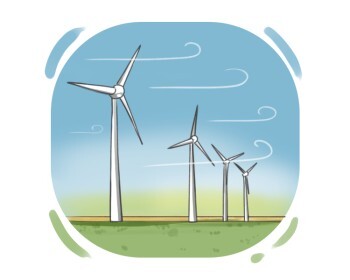
(of wind or an air current) to move or be in motion
ráfaga
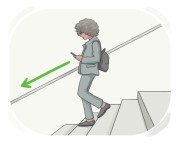
to move or go from a higher place to a lower place
bajar, descender
El ascensor funcionó mal, lo que hizo que bajara repentinamente al nivel del sótano.
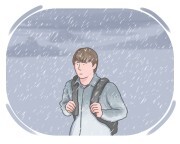
to rain heavily and in a large amount
verter, llover a cántaros

a sudden, loud burst of sound produced by a lightning discharge during a storm
un trueno, un estruendo de trueno
Los niños saltaron ante el estruendo inesperado de un trueno durante el picnic.
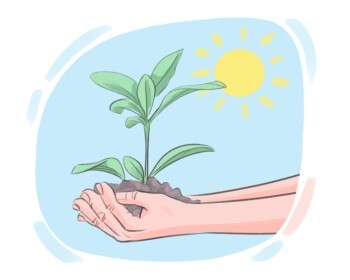
the natural world around us where people, animals, and plants live
entorno, medio ambiente
a sudden intense burst of flame, heat, or radiant energy
destello, fulgor
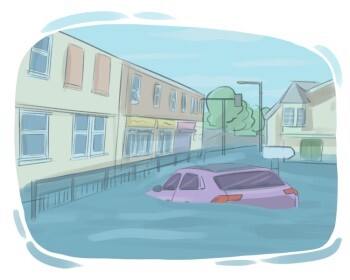
an overflow of water that covers land that is normally dry
inundación
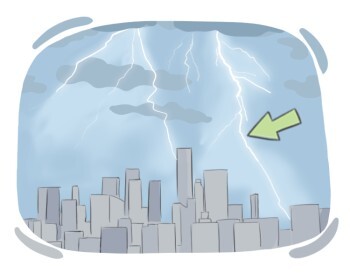
a bright flash, caused by electricity, in the sky or one that hits the ground from within the clouds
relámpago
El relámpago iluminó todo el paisaje por un breve momento.
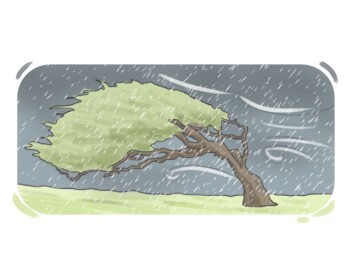
a strong and noisy event in the sky with heavy rain, thunder, lightning, and strong winds
tormenta

trees and plants in general, particularly those of a specific habitat or area
vegetación
En primavera, las laderas están cubiertas de una vegetación verde vibrante mientras florecen las flores silvestres, creando un paisaje pintoresco.
relating to the natural world and effects of human actions on it
ambiental
Los esfuerzos de conservación ambiental tienen como objetivo proteger los ecosistemas y reducir el impacto humano en el planeta.
the gray or black powdery residue left after something has burned
ceniza

slightly wet, especially in a way that feels unpleasant
húmedo
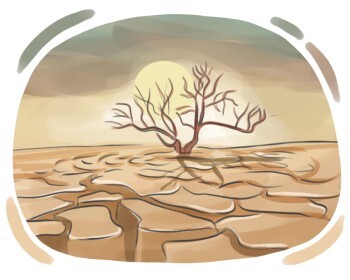
a long period of time when there is not much raining
sequía
Los agricultores rezaron por lluvia mientras continuaba la sequía.
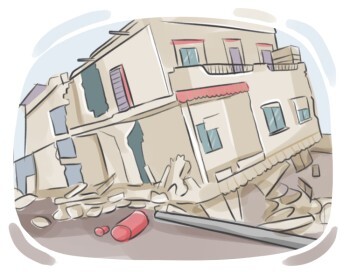
the sudden movement and shaking of the earth's surface, usually causing damage
terremoto
El terremoto provocó una alerta de tsunami.
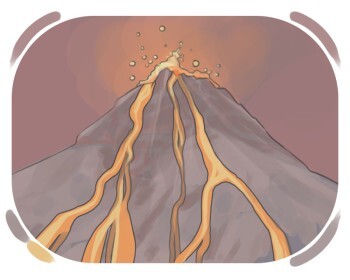
the sudden outburst of lava and steam from a volcanic mountain
erupción
La erupción del Monte Vesubio en el año 79 d.C. enterró la ciudad de Pompeya bajo cenizas.
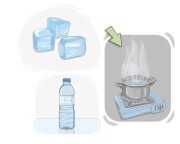
the state of a substance that is neither solid nor liquid
gas
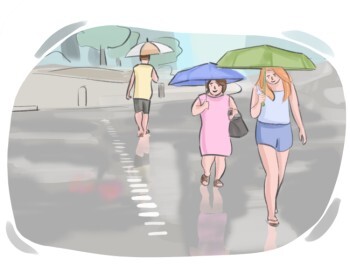
(of the climate) having a lot of moisture in the air, causing an uncomfortable and sticky feeling
húmedo
Las condiciones húmedas hicieron que las ventanas se empañaran.
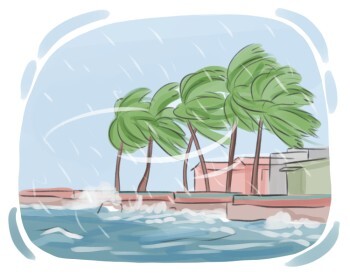
a very strong and destructive wind that moves in circles, often seen in the Caribbean
huracán
El huracán estuvo acompañado de fuertes lluvias.
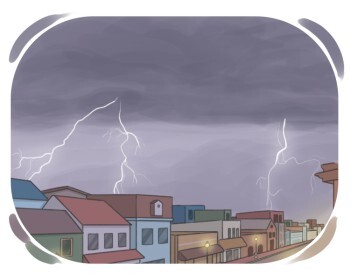
the loud crackling noise that is heard from the sky during a storm
tormenta
Los niños se asustaron por el trueno fuerte que siguió al relámpago.
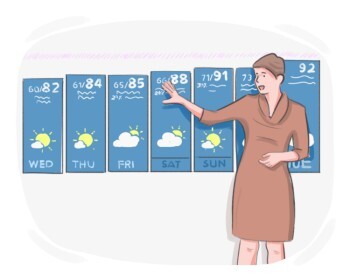
a report on possible weather conditions and how they will change in the following day or days
pronóstico del tiempo, previsión del tiempo
Siempre reviso el pronóstico del tiempo por la mañana antes de decidir qué ponerme.
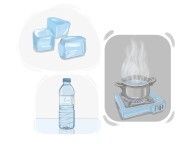
a particular kind of matter in gas, solid, or liquid form
sustancia
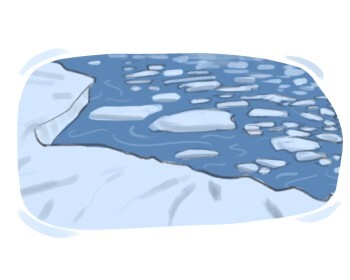
to change from a solid into a liquid, usually because of heat
derretirse, derretir
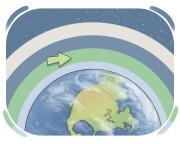
a layer of gases in the earth's atmosphere that does not let the sun's ultraviolet radiation pass through
capa de ozono
