pattern

Cambridge English: FCE (B2 First) - Natural Phenomena & Human Impact

Learn FCE vocabulary for natural phenomena and human impact, including weather, disasters, environmental change, pollution, damage, and effects on the natural world.

Review

Flashcards

Spelling

Quiz

Start learning
Cambridge English: FCE (B2 First)
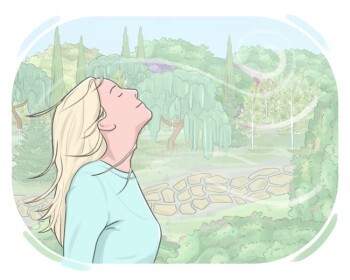
breeze
breeze
[noun]

a gentle and usually pleasant wind

Ex: He took a deep breath, enjoying the fresh mountain breeze. 
Close
Sign in
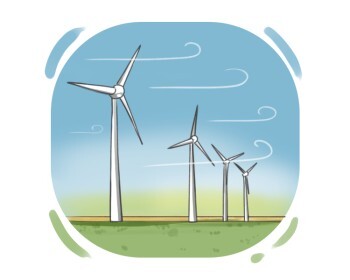
to blow
to blow
[Verb]

(of wind or an air current) to move or be in motion
Ex: A gentle wind blew, making the lake's surface ripple. 
Close
Sign in
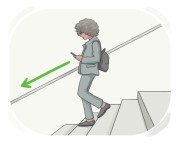
to come down

to move or go from a higher place to a lower place
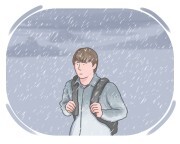
Ex: The hiker had to come down from the mountain peak before nightfall. 
Close
Sign in
to pour
to pour
[Verb]

to rain heavily and in a large amount

Ex: It started to pour just as we left the house, drenching us completely. 
Close
Sign in
clap
clap
[noun]

a sudden, loud burst of sound produced by a lightning discharge during a storm
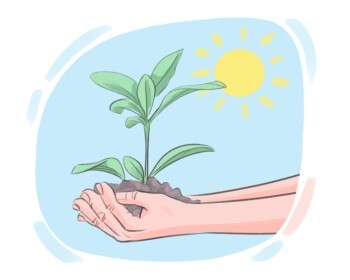
Ex: A deafening clap of thunder shook the windows as the storm rolled in. 
Close
Sign in
environment

the natural world around us where people, animals, and plants live

Ex: Conserving water is beneficial for the environment. 
Close
Sign in
flash
flash
[noun]

a sudden, concentrated release of radiant energy
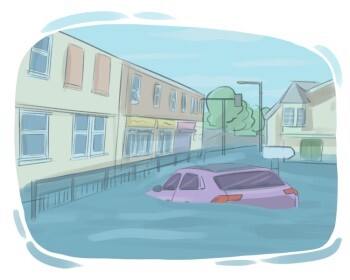
Ex: The explosion sent out a flash of heat. 
Close
Sign in
flood
flood
[noun]

the rising of a body of water that covers dry places and causes damage
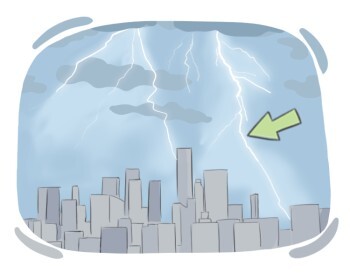
Ex: After the flood, many people were left homeless. 
Close
Sign in
lightning
lightning
[noun]

a bright flash, caused by electricity, in the sky or one that hits the ground from within the clouds
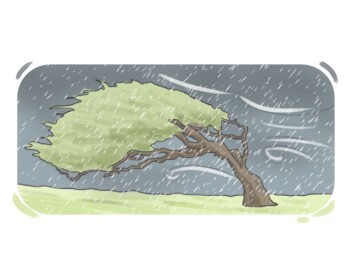
Ex: The sky lit up with a brilliant flash of lightning during the storm. 
Close
Sign in
storm
storm
[noun]

a strong and noisy event in the sky with heavy rain, thunder, lightning, and strong winds

Ex: After the storm, they found a fallen tree blocking the road. 
Close
Sign in
vegetation

trees and plants in general, particularly those of a specific habitat or area

Ex: The dense vegetation in the tropical rainforest creates a lush canopy that filters sunlight and supports a myriad of wildlife. 
Close
Sign in
environmental
environmental
[Adjective]

relating to the natural world and effects of human actions on it

Ex: Environmental pollution, such as air and water pollution, poses threats to both human health and the ecosystem. 
Close
Sign in
ash
ash
[noun]

a grey powder that is produced as a result of a substance getting burned

Ex: The campfire left a pile of ash on the ground. 
Close
Sign in
damp
damp
[Adjective]

slightly wet, particularly in an uncomfortable way
Ex: The towel felt damp after being left out in the humid bathroom. 
Close
Sign in
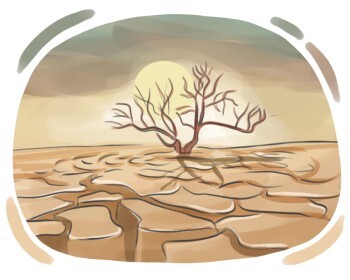
drought
drought
[noun]

a long period of time when there is not much raining
Ex: The city imposed water restrictions because of the drought. 
Close
Sign in
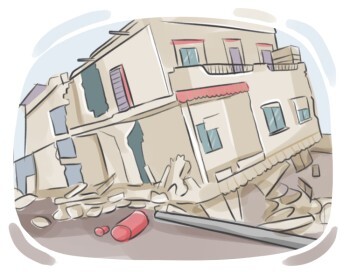
earthquake

the sudden movement and shaking of the earth's surface, usually causing damage
Ex: People ran out of their homes when the earthquake started. 
Close
Sign in
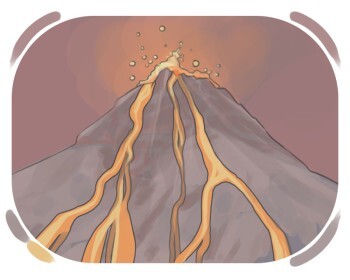
eruption
eruption
[noun]

the sudden outburst of lava and steam from a volcanic mountain
Ex: The volcanic eruption sent ash and lava flowing down the mountainside. 
Close
Sign in
gas
gas
[noun]

the state of a substance that is neither solid nor liquid
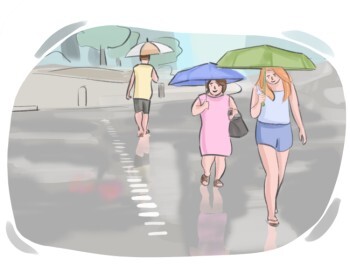
Ex: The gas in the balloon expanded as it was heated by the sun. 
Close
Sign in
humid
humid
[Adjective]

(of the climate) having a lot of moisture in the air, causing an uncomfortable and sticky feeling
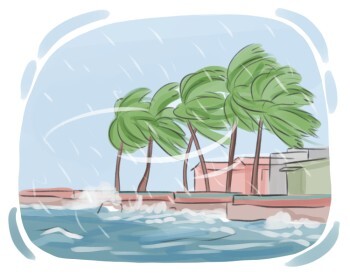
Ex: The humid weather made the air feel heavy and sticky. 
Close
Sign in
hurricane
hurricane
[noun]

a very strong and destructive wind that moves in circles, often seen in the Caribbean
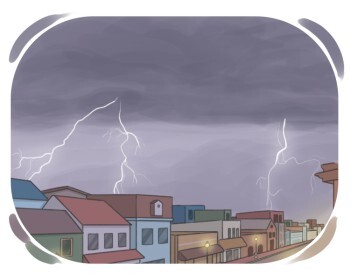
Ex: Emergency shelters were set up before the hurricane struck. 
Close
Sign in
thunder
thunder
[noun]

the loud crackling noise that is heard from the sky during a storm
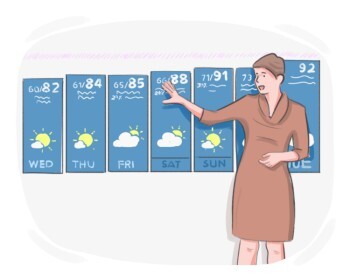
Ex: The thunder rattled the windows during the intense storm. 
Close
Sign in
weather forecast

a report on possible weather conditions and how they will change in the following day or days
Ex: They rely on the weather forecast to plan outdoor events for their business. 
Close
Sign in
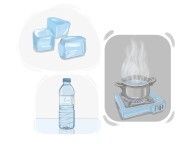
substance
substance
[noun]

a particular kind of matter in gas, solid, or liquid form
Ex: The chemist carefully poured the substance into the beaker, observing how it reacted with the other chemicals. 
Close
Sign in
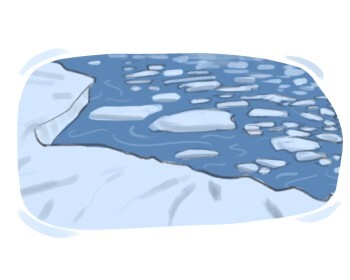
to melt
to melt
[Verb]

(of something in solid form) to turn into liquid form by being subjected to heat

Ex: Ice cubes melt quickly in warm water. 
Close
Sign in
ozone layer

a layer of gases in the earth's atmosphere that does not let the sun's ultraviolet radiation pass through

Ex: The ozone layer is a region of the Earth's stratosphere that absorbs most of the sun's ultraviolet radiation. 
Close
Sign in
LanGeek
Download LanGeek app