pattern

500 Pinakakaraniwang Pandiwa sa Ingles - Top 351 - 375 Pandiwa

Dito ibinibigay sa iyo ang bahagi 15 ng listahan ng mga pinakakaraniwang pandiwa sa Ingles tulad ng "drag", "pour", at "limit".

Repasuhin

Flashcards

mga anyo

Pagbaybay

Pagsusulit
Simulan ang pag-aaral
Most Common Verbs in English Vocabulary
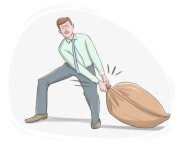
to drag
to drag
[Pandiwa]

to pull something with effort along a surface

hilahin, kaladkad
hilahin, kaladkad

Ex: The tow truck is dragging the stranded car to the repair shop. 
to expose
to expose
[Pandiwa]

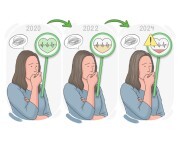
to put someone or something in a position in which they are vulnerable or are at risk

ilantad, ilagay sa panganib
ilantad, ilagay sa panganib

Ex: The controversial decision exposes the company to potential legal challenges. 
to consume
to consume
[Pandiwa]

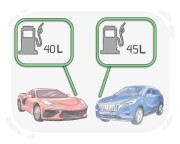
to use up a resource such as fuel, energy, time, or materials

kumonsumo,  gamitin

kumonsumo, gamitin

Ex: This appliance consumes very little electricity. 
to paint
to paint
[Pandiwa]

to cover a surface or object with a colored liquid, usually for decoration

pinturahan,  kulayan

pinturahan, kulayan

Ex: He painted the old wooden chair black to give it a fresh look. 
to dig
to dig
[Pandiwa]

to break up, loosen, or remove earth or another material with a tool, machine, or the hands

maghukay,  maghukay ng lupa

maghukay, maghukay ng lupa

Ex: Daniel spent the morning digging the hard soil with a shovel. 
to locate
to locate
[Pandiwa]

to discover the exact position or place of something or someone

matukoy ang lokasyon, hanapin
matukoy ang lokasyon, hanapin

Ex: She used GPS to locate the nearest gas station. 
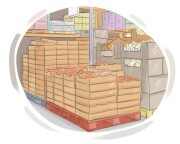
to store
to store
[Pandiwa]

to keep something in a particular place for later use, typically in a systematic or organized manner

mag-imbak, itago
mag-imbak, itago

Ex: She stored her winter clothes in a box in the attic during the summer months. 
to limit
to limit
[Pandiwa]

to not let something increase in amount or number

limitahan

limitahan

Ex: The teacher asked students to limit their essays to 500 words. 
to pour
to pour
[Pandiwa]

to make a container's liquid flow out of it

ibuhos

ibuhos

Ex: She poured sauce over the pasta before serving it. 
to pronounce
to pronounce
[Pandiwa]

to say the sound of a letter or word correctly or in a specific way

bigkasin, sabihin

bigkasin, sabihin

Ex: She pronounces each word with clarity during the language class. 

Malinaw niyang binibigkas ang bawat salita sa klase ng wika.

to belong
to belong
[Pandiwa]

to be one's property

pagmamay-ari, ari ng
pagmamay-ari, ari ng

Ex: The antique clock belongs to my grandmother. 
to refuse
to refuse
[Pandiwa]

to say or show one's unwillingness to do something that someone has asked

tumanggi, ayaw
tumanggi, ayaw

Ex: He had to refuse the invitation due to a prior commitment. 
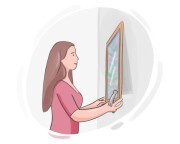
to hang
to hang
[Pandiwa]

to attach something to a higher point so that it is supported from above and can swing freely

isabit, ibitin

isabit, ibitin

Ex: They hung string lights around the patio for decoration. 
to pray
to pray
[Pandiwa]

to address God or another deity in worship, thanks, praise, or a request for help
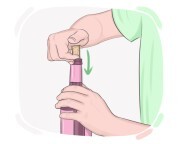
Ex: Sarah prays every night before going to sleep. 
to block
to block
[Pandiwa]

to stop the flow or movement of something through somewhere

harangan, sagabal

harangan, sagabal

Ex: The debris from the storm blocked the entrance to the harbor, preventing ships from docking. 
to convince
to convince
[Pandiwa]

to persuade someone to do something by giving reasons or arguments

kumbinsihin, hikayatin

kumbinsihin, hikayatin

Ex: She convinced me to apply for the job. 
to ignore
to ignore
[Pandiwa]

to intentionally pay no or little attention to someone or something

huwag pansinin, balewalain

huwag pansinin, balewalain

Ex: Over the years, he has successfully ignored unnecessary criticism to focus on his goals. 
to update
to update
[Pandiwa]

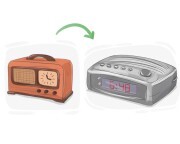
to make something more current, accurate, or modern by adding new information or making changes

i-update,  i-update
i-update, i-update

Ex: Emma updated the report with the latest sales figures. 
to evolve
to evolve
[Pandiwa]

to develop or change gradually over time into a different form
Ex: The small workshop evolved into a successful international company. 
to melt
to melt
[Pandiwa]

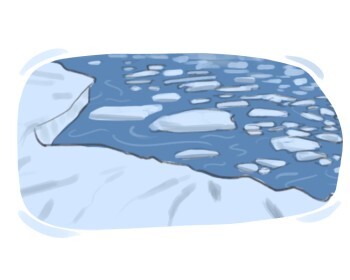
to change from a solid into a liquid, usually because of heat

matunaw,  tumunaw

matunaw, tumunaw

Ex: The ice began to melt in the afternoon sun. 
to dream
to dream
[Pandiwa]

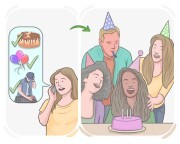
to experience something in our mind while we are asleep

mangarap, panaginipin
mangarap, panaginipin

Ex: Last night, I dreamt of flying over a beautiful landscape. 
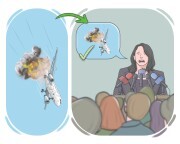
to organize
to organize
[Pandiwa]

to make the necessary arrangements for an event or activity to take place

ayusin, iplano
ayusin, iplano

Ex: The committee is organizing the agenda for the upcoming summit. 
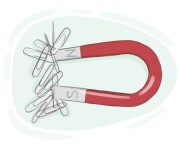
to attract
to attract
[Pandiwa]

to interest and draw someone or something toward oneself through specific features or qualities

akitin, makaakit
akitin, makaakit

Ex: The company implemented employee benefits to attract and retain top talent in the competitive job market. 
to confirm
to confirm
[Pandiwa]

to show or say that something is the case, particularly by providing proof

kumpirmahin, patunayan

kumpirmahin, patunayan

Ex: His research confirmed the hypothesis he had proposed earlier. 
to spin
to spin
[Pandiwa]

to turn around and around rapidly

umiikot

umiikot

Ex: The wheels continued to spin after the bicycle fell over. 
LanGeek
I-download ang app ng LanGeek