pattern

500 Najczęstszych Angielskich Czasowników - Top 351 - 375 Czasowniki

Tutaj otrzymujesz część 15 listy najczęstszych czasowników w języku angielskim, takich jak "ciągnąć", "wlewać" i "ograniczać".

Przegląd

Fiszki

formy

Pisownia

Test
Zacznij naukę
Most Common Verbs in English Vocabulary
to drag
to drag
[Czasownik]

to pull something with effort along a surface

ciągnąć, wlec
ciągnąć, wlec

Ex: She drags the suitcase across the airport floor. 
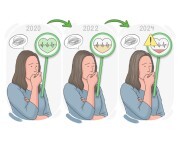
to expose
to expose
[Czasownik]

to put someone or something in a position in which they are vulnerable or are at risk

narażać, wystawiać na niebezpieczeństwo
narażać, wystawiać na niebezpieczeństwo

Ex: The lack of security exposed the company to cyberattacks. 
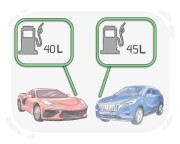
to consume
to consume
[Czasownik]

to use up a resource such as fuel, energy, time, or materials

Ex: Modern aircraft consume less fuel than older models. 
to paint
to paint
[Czasownik]

to cover a surface or object with a colored liquid, usually for decoration

malować,  pomalować

malować, pomalować

Ex: They decided to paint the exterior of their house a cheerful yellow. 
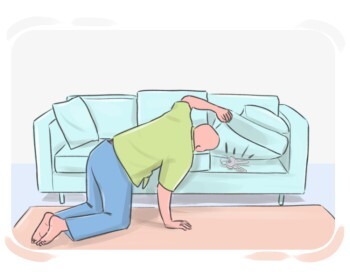
to dig
to dig
[Czasownik]

to break up, loosen, or remove earth or another material with a tool, machine, or the hands

kopać,  ryć
kopać, ryć

Ex: Emma dug the garden before planting the vegetables. 
to locate
to locate
[Czasownik]

to discover the exact position or place of something or someone

zlokalizować, znaleźć
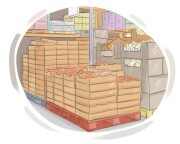
zlokalizować, znaleźć

Ex: Using GPS coordinates, they were able to locate the missing hiker in the dense forest. 
to store
to store
[Czasownik]

to keep something in a particular place for later use, typically in a systematic or organized manner

przechowywać, przechować
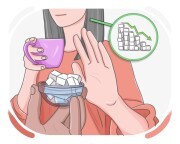
przechowywać, przechować

Ex: The museum stores its valuable artifacts in climate-controlled rooms to prevent damage. 
to limit
to limit
[Czasownik]

to not let something increase in amount or number

ograniczać

ograniczać

Ex: The company decided to limit the number of products each customer could purchase. 
to pour
to pour
[Czasownik]

to make a container's liquid flow out of it

nalewać
nalewać

Ex: She poured milk into her cereal bowl for breakfast. 
to pronounce
to pronounce
[Czasownik]

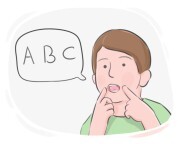
to say the sound of a letter or word correctly or in a specific way

wymawiać, artykułować

wymawiać, artykułować

Ex: Before the training, she had struggled to pronounce certain words, but now she is much more confident. 
to belong
to belong
[Czasownik]

to be one's property

należeć, być własnością

należeć, być własnością

Ex: This house no longer belongs to the previous owner; it has been sold. 
to refuse
to refuse
[Czasownik]

to say or show one's unwillingness to do something that someone has asked

odmawiać, odrzucać
odmawiać, odrzucać

Ex: The student had to refuse the invitation to join the extracurricular club due to time constraints. 
to hang
to hang
[Czasownik]

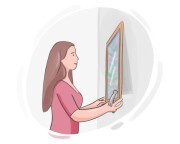
to attach something to a higher point so that it is supported from above and can swing freely

wieszać, zawieszać

wieszać, zawieszać

Ex: She decided to hang a picture of her family on the living room wall. 
to pray
to pray
[Czasownik]

to address God or another deity in worship, thanks, praise, or a request for help
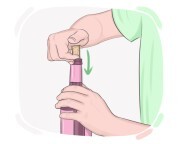
Ex: Daniel was praying quietly when I entered the room. 
to block
to block
[Czasownik]

to stop the flow or movement of something through somewhere

blokować, zatykać

blokować, zatykać

Ex: To prevent flooding, they had to block the drain with sandbags. 
to convince
to convince
[Czasownik]

to persuade someone to do something by giving reasons or arguments

przekonać, namówić
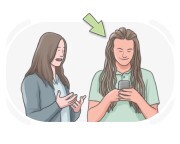
przekonać, namówić

Ex: We convinced Sarah to come with us. 
to ignore
to ignore
[Czasownik]

to intentionally pay no or little attention to someone or something

ignorować, nie zwracać uwagi

ignorować, nie zwracać uwagi

Ex: Despite the repeated warnings, he chose to ignore the safety guidelines. 
to update
to update
[Czasownik]

to make something more current, accurate, or modern by adding new information or making changes
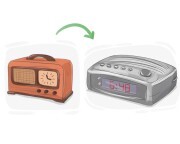
Ex: Daniel spent the afternoon updating the customer records. 
to evolve
to evolve
[Czasownik]

to develop or change gradually over time into a different form
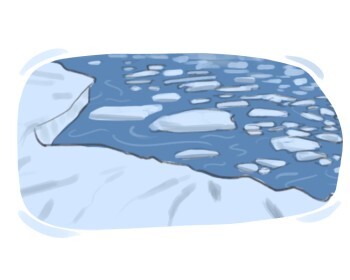
Ex: Languages continue to evolve as societies change. 
to melt
to melt
[Czasownik]

to change from a solid into a liquid, usually because of heat

topnieć,  topić się

topnieć, topić się

Ex: Butter will melt if you leave it near the stove. 
to dream
to dream
[Czasownik]

to experience something in our mind while we are asleep

śnić, marzyć
śnić, marzyć

Ex: She dreamt of being able to breathe underwater. 
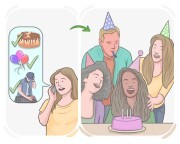
to organize
to organize
[Czasownik]

to make the necessary arrangements for an event or activity to take place

organizować, aranżować
organizować, aranżować

Ex: I organize the annual charity event for our community. 
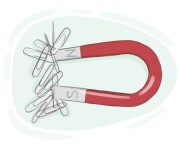
to attract
to attract
[Czasownik]

to interest and draw someone or something toward oneself through specific features or qualities

przyciągać, pociągać
przyciągać, pociągać

Ex: The vibrant colors of the flowers attracted butterflies to the garden. 
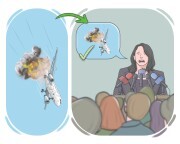
to confirm
to confirm
[Czasownik]

to show or say that something is the case, particularly by providing proof

potwierdzać, weryfikować

potwierdzać, weryfikować

Ex: The doctor confirmed the diagnosis with the results of the blood test. 
to spin
to spin
[Czasownik]

to turn around and around rapidly

obracać się

obracać się

Ex: The car hit a patch of ice and spun across the road. 
LanGeek
Pobierz aplikację LanGeek