pattern

Vocabulary for IELTS (General) - Likes and Dislikes

Here you will learn some English words about liking or disliking people or things, such as "passion", "misogynist", "detest", etc. that are needed for IELTS.

Review

Flashcards

Forms

Spelling

Quiz

Start learning
Words for General IELTS
to adore
to adore
[Verb]

to love and respect someone very much

Ex: She adores her grandmother for her wisdom and kindness. 
Close
Sign in
to please
to please
[Verb]

to make someone satisfied or happy

Ex: The musician pleases the crowd by playing her favorite song. 
Close
Sign in
aversion
aversion
[noun]

a strong feeling of dislike toward someone or something

Ex: Despite her aversion to horror movies, her friends convinced her to watch one at the movie night. 
Close
Sign in
partial
partial
[Adjective]

having a particular liking or preference for someone or something

Ex: My grandfather has always been partial to dark chocolate. 
Close
Sign in
passion
passion
[noun]

a very strong emotion or feeling, such as love, anger, hatred, or enthusiasm

Ex: The court's decision aroused strong passion on both sides of the debate. 
Close
Sign in
keen
keen
[Adjective]

having a strong enthusiasm, desire, or excitement for something or someone

Ex: She was keen to dive into the new book series, devouring each novel with gusto. 
Close
Sign in
to dislike

to not like someone or something

Ex: Emma dislikes cold weather. 
Close
Sign in
to despise

to hate and have no respect for something or someone

Ex: She despises bullies and stands up for those who are being mistreated. 
Close
Sign in
disgust
disgust
[noun]

a strong feeling of distaste for someone or something

Ex: The sight of the decaying food in the refrigerator filled her with disgust. 
Close
Sign in
prejudice
prejudice
[noun]

an unfair and unreasonable opinion or attitude formed without sufficient knowledge or consideration

Ex: The campaign aims to reduce prejudice against people with disabilities. 
Close
Sign in
resistance

the act of opposing or refusing to accept something one disapproves of or disagrees with

Ex: The proposal met strong resistance from local residents. 
Close
Sign in
to abide
to abide
[Verb]

(always negative) to tolerate someone or something

Ex: The manager made it clear that the company could not abide unethical behavior. 
Close
Sign in
antipathy
antipathy
[noun]

a strong feeling of hatred, opposition, or hostility

Ex: She felt a deep antipathy toward the new policy. 
Close
Sign in
grudge
grudge
[noun]

a deep feeling of anger and dislike toward someone because of what they did in the past

Ex: She still held a grudge against her colleague for taking credit for her work. 
Close
Sign in
misogynist

someone who despises women or assumes men are much better

Ex: The conference on women's rights was disrupted by a group of misogynists. 
Close
Sign in
to favor
to favor
[Verb]

to treat someone better than someone else, especially in an unfair manner

Ex: She favors her younger brother and lets him get away with more. 
Close
Sign in
inclined
inclined
[Adjective]

having a tendency to do something

Ex: She is inclined to believe the best in people, even when others are skeptical. 
Close
Sign in
preferable
preferable
[Adjective]

more desirable or favored compared to other options

Ex: Taking the scenic route was preferable to the highway for a leisurely drive. 
Close
Sign in
preference

a tendency or predisposition to favor something over other options
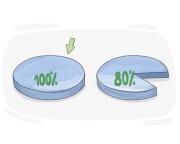
Ex: He showed a preference for classical music. 
Close
Sign in
absolute
absolute
[Adjective]

complete and total, with no imperfections or exceptions

Ex: The painting depicted the landscape with absolute realism, capturing every tiny detail. 
Close
Sign in
to appeal
to appeal
[Verb]

to attract or gain interest, approval, or admiration

Ex: His speech appealed to voters' desire for change and better opportunities. 
Close
Sign in
enemy
enemy
[noun]

someone who is against a person, or hates them
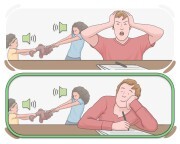
Ex: Despite being childhood friends, they grew apart and became bitter enemies in adulthood. 
Close
Sign in
to stand
to stand
[Verb]

to be willing to accept or tolerate a difficult situation

Ex: She couldn't stand the constant noise from the construction site next door. 
Close
Sign in
to captivate

to attract someone by being irresistibly appealing

Ex: The enchanting melody of the music captivated everyone in the room. 
Close
Sign in
to detest
to detest
[Verb]

to absolutely hate someone or something

Ex: She detests spiders and is terrified of them. 
Close
Sign in
to long
to long
[Verb]

to strongly want something, especially when it is not likely to happen soon

Ex: She longs for a chance to travel to exotic places. 
Close
Sign in
to loathe
to loathe
[Verb]

to dislike something or someone very much, often with a sense of disgust

Ex: He loathes broccoli and refuses to eat it. 
Close
Sign in
LanGeek
Download LanGeek app