Advanced Vocabulary for the GRE - Features and Attributes

Here you will learn some English words about features and attributes, such as "din", "bereft", "keen", etc. that are needed for the GRE exam.

review-disable

review

flashcard-disable

flashcard

spelling-disable

spelling

quiz-disable

quiz

start-learning
Advanced Vocabulary for the GRE

an insincere and unnatural manner of speaking, behaving, or writing that is intended to impress

Ex: Behind the affectation of casual charm , there was a clear attempt to mask his true intentions .
amalgam [noun]

a combination or blend of different things

Ex: The fresh sound of their music results from an amalgam of jazz and rock influences .
din [noun]

an unpleasant and loud noise that could be heard for an extended amount of time

Ex: During the festival , the din of fireworks and revelry continued late into the night .
guile [noun]

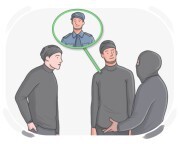
an artful cleverness used to perform trickery, deception, and manipulation

Ex: It took considerable guile for the spy to extract secrets from suspects without arousing suspicion .
levity [noun]

the lack of seriousness that is wrongly suited to or respectful of the circumstances

Ex: The levity with which the defense argued such an important case was concerning to the judges .

to loudly complain about something or demand something
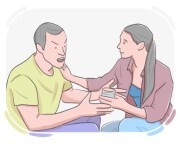
Ex: The villagers have been clamoring for clean water since the drought began .

to do something that lessens someone's anger or sadness

Ex: He tried to mollify his daughter 's disappointment by promising to make it up to her .
aberrant [adjective]

different from the usual and accepted way

Ex: The animal ’s aberrant actions indicated a possible illness .

to behave in a wild, uncontrolled, and often violent manner

Ex: After hearing the distressing news , he ran amok , throwing things and shouting in anger .
antic [adjective]

behaving or acting in a way that is funny, energetic, or silly, it is usually annoying or strange
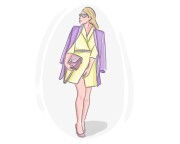
Ex: Her antic voice imitations kept the group entertained but confused .
becoming [adjective]

(of clothes, colors, hairstyles etc.) enhancing the wearer's appearance and making them more attractive

Ex:
bereft [adjective]

(of people) feeling very lonely and sorrowful, particularly as a result of a loss

Ex: She was bereft of hope after hearing the devastating news .
bleak [adjective]

(of situations) not giving any or much hope or encouragement

Ex: The end of the movie left a bleak impression with its tragic conclusion .
callow [adjective]

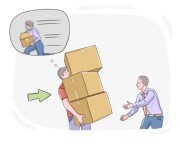
(of a person) young and behaving in a manner that displays one's inexperience or immaturity

Ex:
choleric [adjective]

easily angered or irritated

Ex: The team had to carefully navigate around his choleric reactions to avoid conflicts .
covert [adjective]

not displayed or acknowledged openly

Ex: His covert involvement in the negotiations was only discovered later .
cynical [adjective]

having a distrustful or negative outlook, often believing that people are motivated by self-interest

Ex: The cynical old man believed that acts of kindness were merely disguised selfishness .
erratic [adjective]

lacking a regular or fixed pattern of movement

Ex: The erratic flight patterns of the bird puzzled researchers .
facile [adjective]

lacking deep thought and true understanding thus being superficial

Ex: The presentation was criticized for its facile treatment of the subject matter .
inherent [adjective]

inseparable essential part or quality of someone or something that is in their nature

Ex: Creativity is an inherent quality that can be nurtured through practice and exploration .
intrinsic [adjective]

belonging to something or someone's character and nature

Ex: The beauty of the sunset had an intrinsic charm , captivating everyone who witnessed it .
keen [adjective]

(of senses) sharp and highly-developed

Ex: The detective relied on his keen instincts to solve the case .
novel [adjective]

new and unlike anything else

Ex: The artist 's latest exhibition showcased a series of novel techniques and styles that captivated viewers .
obsolete [adjective]

outdated and gone out of style, often replaced by more current trends or advancements

Ex: Some traditional farming methods are considered obsolete with the advent of modern technology .
optimal [adjective]

most favorable or effective under specific conditions
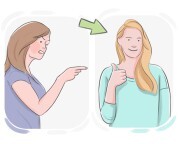
Ex: A balanced diet and regular exercise are essential for optimal health .
placid [adjective]

peaceful and calm, not easily excited, irritated, angered, or upset
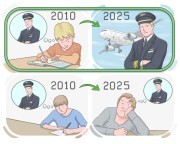
Ex: He admired her placid patience in difficult situations .
pragmatic [adjective]

based on reasonable and practical considerations rather than theory

Ex: The teacher 's pragmatic teaching methods emphasized real-world applications of concepts rather than abstract theories .
retiring [adjective]

shy and not fond of being with others or being noticed

Ex:
sportive [adjective]

behaving in a playful, fun, and light-hearted way
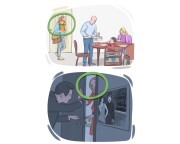
Ex: The puppy ’s sportive antics entertained the whole family .
timely [adjective]

happening at exactly the best time possible

Ex: The timely release of the product capitalized on current market trends .
unprecedented [adjective]

never having existed or happened before
Ex: The company achieved unprecedented success with its innovative marketing campaign .
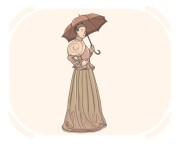
vintage [adjective]

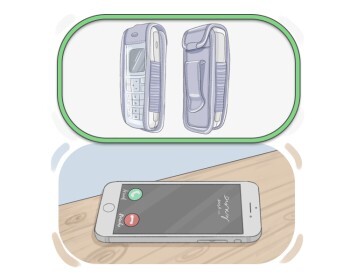
(of things) old but highly valued for the quality, excellent condition, or timeless design

Ex:
volatile [adjective]

prone to unexpected and sudden changes, usually gets worse or dangerous
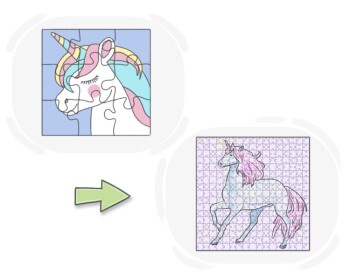
Ex: The stock market has been volatile this year , with sharp drops and rises .
whimsical [adjective]

driven by impulses and desires rather than logical necessity or reasoning

Ex: They embraced a whimsical , impulsive adventure without any plan .
byzantine [adjective]

so detailed and complex that understanding becomes difficult

Ex: The Byzantine plot of the novel was difficult to follow , with numerous twists and turns .