pattern

Le livre Face2face - Intermédiaire Supérieur - Unité 2 - 2C

Ici, vous trouverez le vocabulaire de l'Unité 2 - 2C du manuel Face2Face Upper-Intermediate, comme "concluant", "originalité", "reconnaissance", etc.

Réviser

Flashcards

formes

Orthographe

Quiz

Commencer à apprendre
Face2face - Upper-intermediate
conclusive
conclusive
[Adjectif]

providing clear and final evidence or proof, leaving no doubt or uncertainty

final

final

Ex: The study's findings were conclusive, confirming the effectiveness of the new treatment. 

Les conclusions de l'étude étaient concluantes, confirmant l'efficacité du nouveau traitement.

conclusively
conclusively
[Adverbe]

in a way that clearly shows or proves something without doubt or uncertainty

de manière concluante

de manière concluante

Ex: The study's findings conclusively established the link between the two variables. 

Les résultats de l'étude ont concluamment établi le lien entre les deux variables.

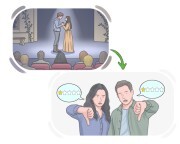
criticism

negative feedback that highlights mistakes or areas for improvement

critique
critique

Ex: She faced criticism for not meeting the project's expectations. 

Elle a fait face à des critiques pour ne pas avoir répondu aux attentes du projet.

critic
critic
[nom]

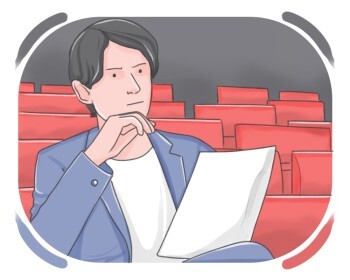
someone who evaluates and provides opinions or judgments about various forms of art, literature, performances, or other creative works

critique

critique

Ex: As a music critic, he often attends concerts and writes reviews discussing the strengths and weaknesses of different musical performances. 

En tant que critique musical, il assiste souvent à des concerts et écrit des critiques discutant des forces et des faiblesses de différentes performances musicales.

critical
critical
[Adjectif]

noting or highlighting mistakes or imperfections

critique, sévère

critique, sévère

Ex: The critical feedback from the manager helped improve the project. 

Les commentaires critiques du manager ont aidé à améliorer le projet.

to criticize

to point out the faults or weaknesses of someone or something

critiquer

critiquer

Ex: Sarah always criticizes her co-workers' presentations, but rarely offers constructive feedback. 

Sarah critique toujours les présentations de ses collègues, mais offre rarement des commentaires constructifs.

critically
critically
[Adverbe]

in a way that expresses disapproval or fault-finding

de manière critique

de manière critique

Ex: The film was critically received by many viewers who found it dull. 
to conclude

to draw a logical inference or outcome based on established premises or evidence

conclure

conclure

Ex: The evidence presented during the trial allowed the jury to conclude that the defendant was guilty beyond a reasonable doubt. 

Les preuves présentées pendant le procès ont permis au jury de conclure que le défendeur était coupable au-delà de tout doute raisonnable.

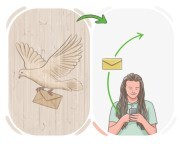
conclusion

a decision reached after thoroughly considering all relevant information

conclusion
conclusion

Ex: She came to the conclusion that it was best to change her career path. 

Elle est arrivée à la conclusion qu'il était préférable de changer de carrière.

to originate

to start to be

tirer son origine, être issu

tirer son origine, être issu

Ex: The tradition originated centuries ago in ancient civilizations. 

La tradition a pris naissance il y a des siècles dans les civilisations anciennes.

originally
originally
[Adverbe]

in a way that relates to the inherent origin or source

à l'origine, à la base, au début

à l'origine, à la base, au début

Ex: This custom is originally Celtic, though now widespread. 

Cette coutume est à l'origine celtique, bien que maintenant répandue.

origin
origin
[nom]

the point or place where something has its foundation or beginning

origine

origine

Ex: They traced the origin of the disease to a specific animal species. 

Ils ont retracé l'origine de la maladie à une espèce animale spécifique.

originality

the skill of being able to come up with unique and innovative ideas or actions

originalité

originalité

Ex: The company encourages originality among its employees to drive innovation. 

L'entreprise encourage l'originalité parmi ses employés pour stimuler l'innovation.

realism
realism
[nom]

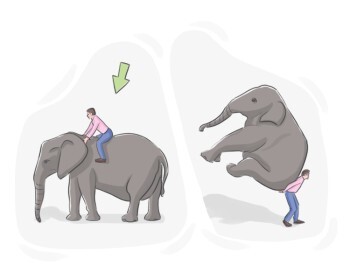
a practical and straightforward way of looking at things that focuses on what is actually happening rather than what we wish would happen

réalisme, pragmatisme

réalisme, pragmatisme

Ex: She approached the project with a sense of realism, expecting challenges. 

Elle a abordé le projet avec un sens du réalisme, s'attendant à des défis.
realistic
realistic
[Adjectif]

concerned with or based on something that is practical and achievable in reality

réaliste, pratique

réaliste, pratique

Ex: Realistic expectations are important in relationships to avoid disappointment. 

Des attentes réalistes sont importantes dans les relations pour éviter la déception.

reality
reality
[nom]

the true state of the world and the true nature of things, in contrast to what is imagined or thought

réalité

réalité

Ex: His dreams clashed with the realities of his limited resources. 

Ses rêves entraient en conflit avec les réalités de ses ressources limitées.

real
real
[Adjectif]

having actual existence and not imaginary

réel

réel

Ex: The tree in the backyard is real; you can touch its bark and smell its leaves. 

L'arbre dans le jardin est réel; vous pouvez toucher son écorce et sentir ses feuilles.
really
really
[Adverbe]

to a high degree, used for emphasis

vraiment

vraiment

Ex: I'm really tired after that run. 

Je suis vraiment fatigué après cette course.

realistically
realistically
[Adverbe]

in a practical and factual way

de façon réaliste

de façon réaliste

to recognize

to know who a person or what an object is, because we have heard, seen, etc. them before

reconnaître

reconnaître

Ex: He didn't recognize the old friend he hadn’t seen in years. 

Il n'a pas reconnu le vieil ami qu'il n'avait pas vu depuis des années.

recognition

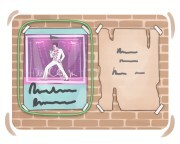
the act of accepting that something exists, is true or legal

reconnaissance
reconnaissance

recognizably
recognizably
[Adverbe]

in a way that can be easily identified or distinguished

reconnaissablement, de manière reconnaissable

reconnaissablement, de manière reconnaissable

Ex: The product was recognizably superior in quality. 

Le produit était reconnaissablement supérieur en qualité.

recognizable
recognizable
[Adjectif]

able to be identified or distinguished from other things or people

reconnaissable, identifiable

reconnaissable, identifiable

Ex: The landmark was recognizable from a distance due to its unique shape. 

Le point de repère était reconnaissable à distance en raison de sa forme unique.

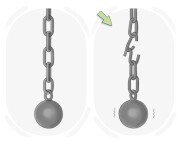
to weaken
to weaken
[verbe]

to make something physically or structurally less strong or sturdy

affaiblir, fragiliser

affaiblir, fragiliser

Ex: Continuous use without proper maintenance may weaken the integrity of machinery. 

Une utilisation continue sans entretien approprié peut affaiblir l'intégrité des machines.

weakness

lack of power or ability to act effectively

faiblesse, défaillance

faiblesse, défaillance

Ex: She admitted a moment of weakness when she avoided responsibility. 

Elle a admis un moment de faiblesse lorsqu'elle a évité ses responsabilités.

weak
weak
[Adjectif]

structurally fragile or lacking durability

faible

faible

Ex: That old shelf has a weak joint and might snap under weight. 

Cette vieille étagère a un joint faible et pourrait casser sous le poids.

weakly
weakly
[Adverbe]

in a physically feeble manner

faiblement, languissamment

faiblement, languissamment

Ex: She spoke so weakly that I had to lean in to hear her. 

Elle a parlé si faiblement que j'ai dû me pencher pour l'entendre.

to prefer
to prefer
[verbe]

to want or choose one person or thing instead of another because of liking them more

préférer

préférer

Ex: Many people prefer to eat homemade meals over fast food. 

Beaucoup de gens préfèrent manger des repas faits maison plutôt que de la restauration rapide.

preference

a tendency or predisposition to favor something over other options

préférence

préférence

Ex: The survey revealed a preference toward eco-friendly products. 

L'enquête a révélé une préférence pour les produits écologiques.

preferable
preferable
[Adjectif]

more desirable or favored compared to other options

préférable

préférable

Ex: She found organic produce to be preferable to conventionally grown fruits and vegetables. 

Elle a trouvé que les produits biologiques étaient préférables aux fruits et légumes cultivés de manière conventionnelle.

preferably
preferably
[Adverbe]

in a way that shows a liking or a priority for something over others

de préférence

de préférence

Ex: When selecting a travel destination, consider places with a mild climate, preferably avoiding extreme temperatures. 

Lorsque vous choisissez une destination de voyage, privilégiez les endroits au climat doux, en évitant de préférence les températures extrêmes.

to judge
to judge
[verbe]

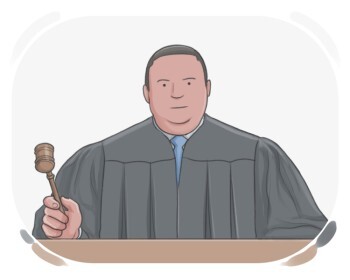
to form a decision or opinion based on what one knows

penser, estimer
penser, estimer

Ex: He judges the candidate's qualifications before making a hiring decision. 

Il juge les qualifications du candidat avant de prendre une décision d'embauche.

judge
judge
[nom]

the official in charge of a court who decides on legal matters

juge

juge

Ex: She was appointed as a federal judge by the president. 

Elle a été nommée juge fédérale par le président.

judgment

the process of evaluating, assessing, or deciding about a person, situation, or event

jugement

jugement

Ex: The teacher's judgment on student performance is ongoing. 

Le jugement de l'enseignant sur la performance des élèves est en cours.

judgmental
judgmental
[Adjectif]

based on or relying on careful consideration and assessment

judicieux, avisé

judicieux, avisé

Ex: A judgmental decision requires weighing all available evidence. 

Une décision judicieuse nécessite de peser toutes les preuves disponibles.

responsibility

the obligation to perform a particular duty or task that is assigned to one

responsabilité, obligation
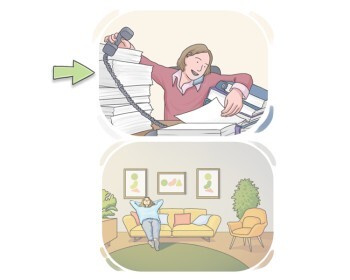
responsabilité, obligation

Ex: He was given the responsibility of organizing the event. 

On lui a donné la responsabilité d'organiser l'événement.

responsible
responsible
[Adjectif]

(of a person) having an obligation to do something or to take care of someone or something as part of one's job or role

responsable

responsable

Ex: Parents are responsible for teaching their children values and life skills. 

Les parents sont responsables de l'enseignement des valeurs et des compétences de vie à leurs enfants.

responsibly
responsibly
[Adverbe]

in a careful, trustworthy, or reasonable manner

de manière responsable

de manière responsable

Ex: Please use the equipment responsibly to avoid damage or injury. 

Veuillez utiliser l'équipement de manière responsable pour éviter tout dommage ou blessure.
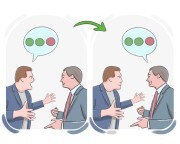
to convince

to make someone do something using reasoning, arguments, etc.

convaincre

convaincre

Ex: During the business meeting, the sales representative worked hard to convince the client to sign the contract by emphasizing the benefits of the partnership. 

Pendant la réunion d'affaires, le représentant des ventes a travaillé dur pour convaincre le client de signer le contrat en mettant en avant les avantages du partenariat.

conviction

a formal declaration by which someone is found guilty of a crime in a court of law

condamnation

condamnation

Ex: After the conviction, he was sentenced to ten years in prison. 

Après la condamnation, il a été condamné à dix ans de prison.

convinced
convinced
[Adjectif]

having a strong belief in something

persuadé

persuadé

Ex: He was convinced that the project would succeed. 

Il était convaincu que le projet réussirait.
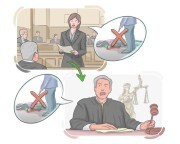
convincing
convincing
[Adjectif]

able to make someone believe that something is right or true

convaincant, persuasif

convaincant, persuasif

Ex: Her convincing explanation clarified the situation and alleviated any concerns. 

Son explication convaincante a clarifié la situation et apaisé toutes les inquiétudes.

convincingly
convincingly
[Adverbe]

in a manner that persuades others to believe something is true, real, or valid

de façon convaincante

de façon convaincante

Ex: The actor convincingly portrayed a grieving father. 

L'acteur a convaincamment incarné un père en deuil.

LanGeek
Télécharger l'application LanGeek