
Cartea Face2face - Intermediar avansat - Unitatea 2 - 2C
Aici veți găsi vocabularul din Unitatea 2 - 2C din manualul Face2Face Upper-Intermediate, cum ar fi "concludent", "originalitate", "recunoaștere" etc.
Revizuire
Fișe de studiu
forme
Ortografie
Chestionar
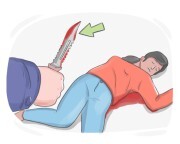
providing clear and final evidence or proof, leaving no doubt or uncertainty

concludent, definitiv
Ancheta a adus dovezi concludente de fraudă în cadrul companiei.
in a way that clearly shows or proves something without doubt or uncertainty
concludent
Testul ADN a dovedit concludent nevinovarea suspectului.

negative feedback that highlights mistakes or areas for improvement
critică, mustrare
Critica lui m-a ajutat să văd defecte pe care nu le observasem înainte.
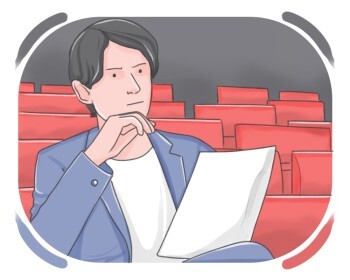
someone who evaluates and provides opinions or judgments about various forms of art, literature, performances, or other creative works
critic
Criticul de film a lăudat narațiunea inovatoare a regizorului și performanțele puternice în recenzia sa.
noting or highlighting mistakes or imperfections
critic, sever
Ea a dat o recenzie critică filmului, concentrându-se pe intriga sa slabă.
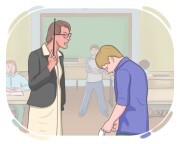
to point out the faults or weaknesses of someone or something
critica, mustra
Profesorul a criticat eseu-ul studentului pentru lipsa de organizare și claritate.
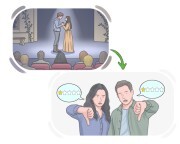
in a way that expresses disapproval or fault-finding
critic, într-un mod care exprimă dezaprobare
to draw a logical inference or outcome based on established premises or evidence
concluziona, deduce
Din modelele observate în date, cercetătorii au concluzionat că mai multă formare ar îmbunătăți performanța angajaților.
a decision reached after thoroughly considering all relevant information
concluzie, decizie
După examinarea tuturor dovezilor, juriul a ajuns la o concluzie.
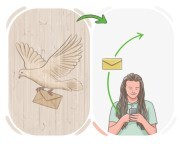
to start to be
proveni, începe
Ideea a provenit dintr-o conversație între prieteni.

in a way that relates to the inherent origin or source
inițial, original
Manuscrisul a fost inițial scris în Franța secolului al XII-lea.
the point or place where something has its foundation or beginning
origine, sursă
Ei au urmărit originea bolii la o anumită specie animală.
the skill of being able to come up with unique and innovative ideas or actions
originalitate
Originalitatea ei în rezolvarea problemelor complexe a făcut-o să se remarce la locul de muncă.
a practical and straightforward way of looking at things that focuses on what is actually happening rather than what we wish would happen
realism, pragmatism
Realismul său l-a ajutat să rămână calm în timpul crizei.
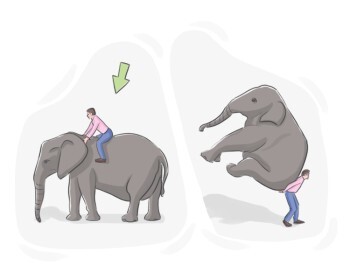
concerned with or based on something that is practical and achievable in reality
realist, practic
Așteptările realiste sunt importante în relații pentru a evita dezamăgirea.
the true state of the world and the true nature of things, in contrast to what is imagined or thought
realitate, adevăr
Este important să înfrunți realitățile dure ale vieții.
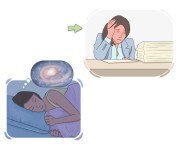
having actual existence and not imaginary
real, adevărat
Copacul din curtea din spate este real; îi poți atinge scoarța și mirosi frunzele.
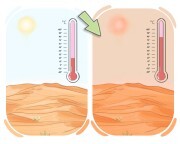
to a high degree, used for emphasis
foarte, chiar
Această prăjitură este cu adevărat delicioasă.
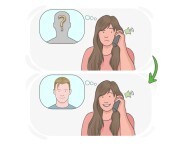
to know who a person or what an object is, because we have heard, seen, etc. them before
recunoaște, identifica
Nu l-a recunoscut pe vechiul prieten pe care nu l-a văzut de ani de zile.
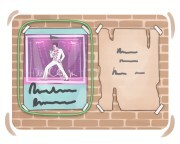
in a way that can be easily identified or distinguished
recunoscut, într-un mod recognoscibil
Noul logo era recunoscut diferit de vechiul design.
able to be identified or distinguished from other things or people
recunoscut, identificabil
În ciuda deghizării actorului, vocea lui era încă recunoscută de fanii săi.
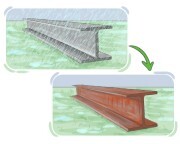
to make something physically or structurally less strong or sturdy
slăbi, submina
Expunerea la condiții meteorologice dure poate slăbi structura mobilierului de exterior.

lack of power or ability to act effectively
slăbiciune, deficiență
Slăbiciunea echipei a fost expusă în timpul meciului final.
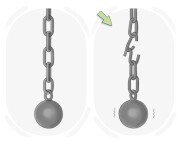
structurally fragile or lacking durability
slab, fragil
Podul s-a prăbușit la suportul său central slab.
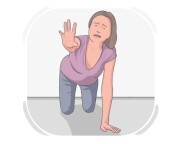
in a physically feeble manner
slab, lenevit
A dat din cap slab înainte de a se prăbuși pe canapea.
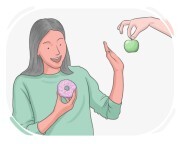
to want or choose one person or thing instead of another because of liking them more
prefera, plăcea mai mult
Ea preferă rochia albastră pentru petrecere pentru că este culoarea ei preferată.

a tendency or predisposition to favor something over other options
preferință, înclinație
El a arătat o preferință pentru muzica clasică.
more desirable or favored compared to other options
preferabil, mai de dorit
A lua ruta pitorească era de preferat față de autostradă pentru o plimbare relaxantă.
in a way that shows a liking or a priority for something over others
preferabil, de preferință
Pentru o gustare sănătoasă, alegeți fructe sau nuci, preferabil în locul dulciurilor.

to form a decision or opinion based on what one knows
judeca, evalua
Ea judecă calitatea cărții în funcție de subiect și dezvoltarea personajelor.
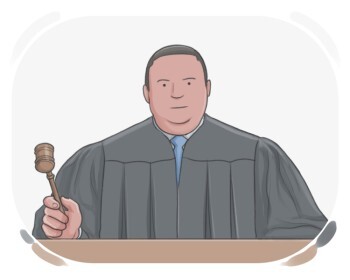
the official in charge of a court who decides on legal matters
judecător, magistrat
Judecătorul a ascultat ambele părți ale cazului înainte de a pronunța o hotărâre.
the process of evaluating, assessing, or deciding about a person, situation, or event
judecată, evaluare
Judecata sa asupra candidaților a fost atentă și deliberată.
based on or relying on careful consideration and assessment
judicios, înțelept
Comitetul a adoptat o abordare judiciară pentru evaluarea candidaților.

the obligation to perform a particular duty or task that is assigned to one
responsabilitate, obligație
Ea a acceptat responsabilitatea de a conduce echipa de proiect.
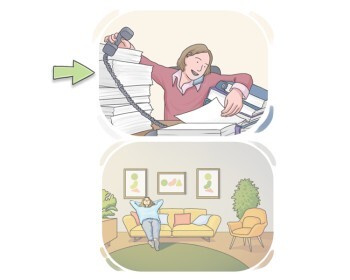
(of a person) having an obligation to do something or to take care of someone or something as part of one's job or role
responsabil
Ca lider de echipă, el este responsabil pentru atribuirea sarcinilor și asigurarea respectării termenelor limită.

in a careful, trustworthy, or reasonable manner
responsabil
Ea a manipulat substanțele chimice responsabil, purtând toată echipamentul de siguranță necesar.

to make someone do something using reasoning, arguments, etc.
convinge, persuada
Am încercat să-l conving pe prietenul meu să se alăture excursiei de drumeție evidențiind peisajele frumoase și aventura pe care le-ar oferi.
a formal declaration by which someone is found guilty of a crime in a court of law
condamnare, declarație de vinovăție
Condamnarea inculpatului s-a bazat pe dovezi solide prezentate în timpul procesului.

having a strong belief in something
convins, sigur
După întâlnire, ea era convinsă că noua strategie era cea mai bună abordare.
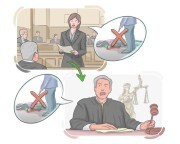
able to make someone believe that something is right or true
convingător
Dovezile convingătoare prezentate de procuror nu au lăsat nicio îndoială cu privire la vinovăția inculpatului.
in a manner that persuades others to believe something is true, real, or valid
convingător, în mod convingător
Ea și-a explicat absența comitetului într-un mod convingător.
