
Le livre Total English - Intermédiaire - Unité 1 - Référence
Ici, vous trouverez le vocabulaire de l'Unité 1 - Référence dans le manuel Total English Intermediate, comme "optimiste", "connaissance", "enthousiaste", etc.
Réviser
Flashcards
formes
Orthographe
Quiz

a person whom one knows but is not a close friend

connaissance
Bien qu'ils n'étaient que de simples connaissances, il la saluait toujours chaleureusement chaque fois qu'ils se croisaient.

used to say that one person has the same ideas, opinions, or mentality as another person
sur la même longueur d'onde, penser pareil
Le designer et le client étaient enfin sur la même longueur d'onde au sujet de l'apparence du site.
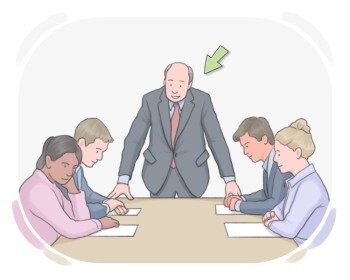
a person who is in charge of a large organization or has an important position there
patron, patronne
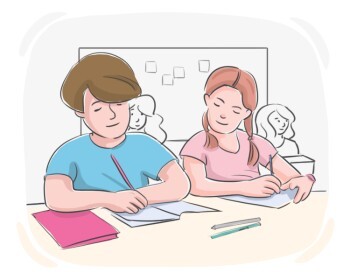
someone who is or was in the same class as you at school or college
camarade
Elle a contacté ses anciens camarades de classe sur les réseaux sociaux pour renouer et prendre des nouvelles.

someone with whom one works
collègue
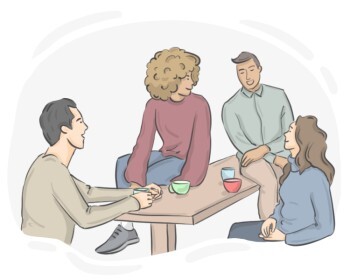
the state of being together with someone or something, particularly for the purpose of socializing or companionship
compagnie, présence

the person one used to be married to or have a relationship with
ancien partenaire ou conjoint
Elle est tombée sur son ex à l'épicerie, et ils ont échangé des politesses gênantes.
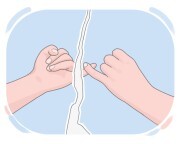
to no longer be friends with someone as a result of an argument
se brouiller, ne plus être ami
Des malentendus sur un projet ont conduit les collègues à se brouiller et à travailler séparément.

a person who is related to someone by marriage
par alliance
Ils ont invité tous leurs beaux-parents au mariage.
to become familiar with someone or something by spending time with them and learning about them
having something jointly or mutually possessed
en commun, en partage
Ils ont découvert qu'ils avaient beaucoup d'intérêts en commun, comme la randonnée et la lecture.

a noisy bitter argument between countries, organizations, people, etc.
dispute
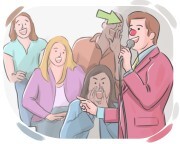
one's ability to say funny things or be amused by jokes and other things meant to make one laugh
sens de l'humour, humour
Il faut avoir le sens de l'humour pour survivre dans ce bureau.
to be no longer in contact with a friend or acquaintance
ne plus être en contact, perdre le contact
Ne perds pas le contact avec tes anciens amis juste parce que tu as déménagé.

to suddenly become uncontrollably angry

to suddenly become enraged and uncontrollably angry
perdre le contrôle sous l'effet de la colère, entrer soudainement dans une rage folle
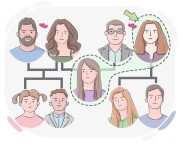
the woman that is married to one's parent but is not one's biological mother
belle-mère
Sa belle-mère l'a aidé avec ses devoirs.
a person who is unfamiliar with a particular place because they have not been there before
étranger, inconnu
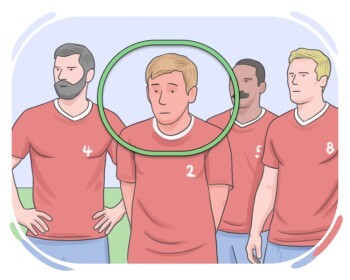
a person who is a member of the same team as another person, typically in sports or other competitive activities
coéquipier, partenaire
Ses coéquipiers l'ont félicité après le but.
to be a member or part of a particular group or organization
appartenir à, faire partie de
Tout au long de sa jeunesse, il appartenait à l'orchestre des jeunes, jouant du violon avec dévouement.
having proficiency in speaking or writing a foreign language without difficulty
courant, maîtrisé
Il a beaucoup étudié et est devenu courant en mandarin.

having the ability to learn or understand quickly
affûté, vif, vive

to use money as a payment for services, goods, etc.
dépenser

having a feeling of curiosity or attention toward a particular thing or person because one likes them
intéressé
Je ne suis pas intéressé par la politique.
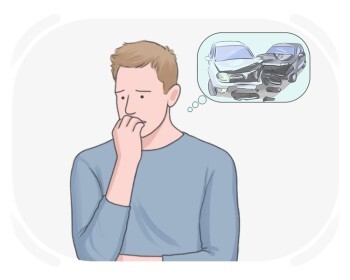
to feel upset and nervous because we think about bad things that might happen to us or our problems
s'inquiéter
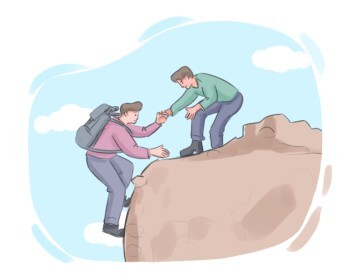
able to be relied on to do what is needed or asked of
sur lequel on peut compter, sur qui on peut compter
Sa nature fiable en fait un coéquipier fiable, contribuant toujours au succès du groupe.
giving someone hope, confidence, or support
encourageant
Son sourire était chaleureux et encourageant pendant la conversation difficile.
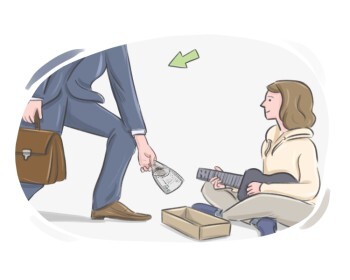
having a willingness to freely give or share something with others, without expecting anything in return
généreux
Malgré des difficultés financières, il est resté généreux, partageant le peu qu'il avait avec ceux qui étaient moins fortunés.
naturally caring, empathetic, and inclined to act with kindness and generosity toward others
au cœur tendre, bienveillant
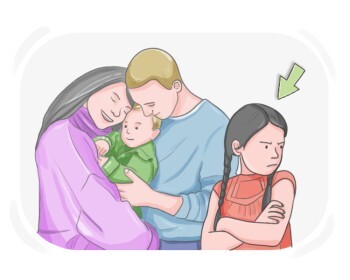
feeling angry and unhappy because someone else has what we want
jaloux
Il s'est senti jaloux quand il a vu son meilleur ami parler à son crush.
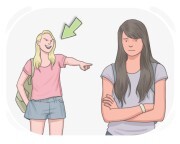
(of a person) behaving in a way that is unkind or cruel
méchant
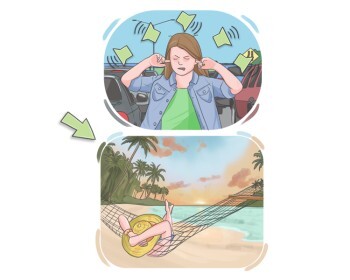
enjoyable, attractive, or giving a feeling of comfort or satisfaction
agréable

always putting one's interests first and not caring about the needs or rights of others
égoïste
Son comportement égoïste a provoqué du ressentiment parmi ses amis et sa famille.
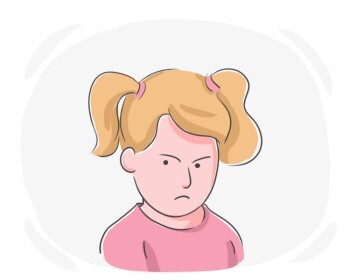
ill-tempered and in a bad mood, tending to sulk
boudeur
Elle s'assit dans le coin, l'air maussade.

having a positive and cheerful attitude
optimiste, enjoué, joyeux, joyeuse, gai
Même les jours de pluie, elle gardait une attitude optimiste, trouvant de la joie dans les petits moments.
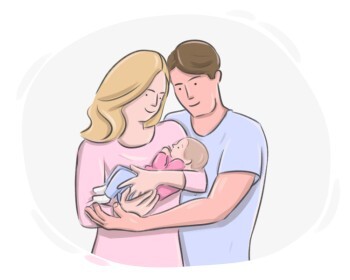
to look after a child until they reach maturity
élever, faire grandir
Les parents adoptifs étaient déterminés à élever l'enfant dans un environnement aimant.

to choose to continue an ongoing activity
continuer une activité, reprendre après une pause
Le groupe a décidé de continuer à jouer malgré les problèmes techniques.

to have a good, friendly, or smooth relationship with a person, group, or animal
bien s'entendre avec quelqu'un, avoir de bonnes relations avec une personne un groupe ou un animal
Les enfants s'entendent mieux maintenant qu'ils ont résolu leurs différends.

to change from being a child into an adult little by little
grandir, devenir adulte
Ma sœur grandit si vite.

to take care of someone or something and attend to their needs, well-being, or safety
s’occuper de
Mon chat prend soin d'elle-même très bien.
to have a great deal of respect, admiration, or esteem for someone
admirer, avoir du respect pour
De nombreux jeunes athlètes admirent les joueurs professionnels comme modèles.

to look or act like an older member of the family, especially one's parents
tenir de, être le portrait craché de
Le bébé ressemble à son père avec ces adorables fossettes.

to express sharp disapproval or criticism of someone's behavior or actions
réprimander sévèrement, critiquer sévèrement le comportement de quelqu'un
Ils vont le réprimander s'il ne commence pas à suivre les règles.
