
Verbes d'Aide et de Blessure - Verbes pour tuer et affaiblir
Ici, vous apprendrez quelques verbes anglais se référant à tuer et affaiblir tels que "tuer", "décapiter" et "assassiner".
Réviser
Flashcards
formes
Orthographe
Quiz
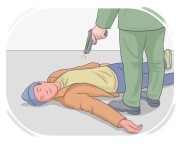
to end the life of someone or something

tuer
to intentionally cause someone's death with planning and purpose
assassiner, tuer
L'assassin a été engagé pour tuer la personnalité politique lors de l'événement public.
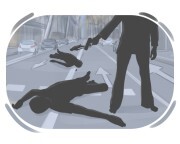
to kill a large number of people, often in a harsh and heartless manner
massacrer, abattre
Le dictateur impitoyable a ordonné à ses forces de massacrer quiconque s'opposait à son règne.

to murder a prominent figure in a sudden attack, usually for political purposes
assassiner
Un tireur solitaire a tenté d'assassiner le président lors de l'événement public.
to brutally kill a large number of people
massacrer
Dans l'événement tragique, des hommes armés ont tenté de massacrer des civils innocents.
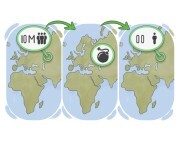
to kill large groups of people
décimer
L'armée envahissante visait à décimer les forces opposées pendant la bataille.
to murder someone
tuer quelqu'un, ôter volontairement la vie à quelqu'un
L'assassin engagé a reçu la tâche de liquider le rival politique.
to kill people in a brutal and cruel way
massacrer, égorger
Ils ont massacré leurs victimes et ont laissé une traînée de dévastation derrière eux.
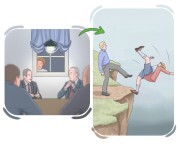
to eliminate someone, often perceived as a threat, by causing their death
liquider, éliminer
Dans le thriller d'espionnage, l'espion a été chargé de liquider une cible de haut profil.
to kill someone without legal approval
lyncher
Les archives historiques révèlent des cas où des personnes ont été lynchées en raison de leur race.
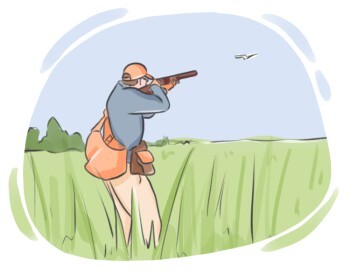
to pursue wild animals in order to kill or catch them, for sport or food
chasser
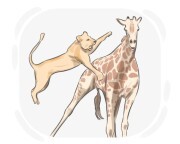
to hunt, capture, and eat other animals as a means of survival
chasser capturer et manger d'autres animaux, se nourrir d'autres animaux pour survivre
Les hiboux chassent les petits rongeurs pendant la nuit.
to cut off someone's head
décapiter, trancher la tête
La guillotine était historiquement utilisée pour décapiter les individus pendant la Révolution française.
to cut off the head of someone or something
décapiter
L'épée du guerrier était assez tranchante pour décapiter ses adversaires au combat.

to kill or injure someone through electric shock
électrocuter, foudroyer
L'équipement défectueux dans l'usine aurait pu électrocuter quiconque aurait essayé de l'utiliser.

to deprive someone or something of food
affamer, priver de nourriture
Les captifs étaient cruellement traités et délibérément affamés dans les camps de prisonniers.

to attack or expose someone or something to gas or harmful fumes
gazer, attaquer au gaz
to block the throat, hinder breathing and cause suffocation
étrangler, suffoquer
Dans une situation mettant sa vie en danger, il a utilisé ses connaissances en arts martiaux pour étrangler l'agresseur et se protéger. Acte criminel :

to block someone or something's access to air, making it difficult or impossible to breathe
étouffer, asphyxier
La fumée épaisse étouffa les personnes piégées dans le bâtiment.
to kill by choking the throat and blocking the air supply
étrangler, suffoquer
En légitime défense, elle a réussi à étrangler l'attaquant et à s'échapper.
to stop someone or something from breathing by covering or blocking the air
étouffer, suffoquer
La panique s'installa alors que le randonneur piégé sentait la fumée de l'incendie commencer à étouffer.
to end someone's life by squeezing their throat, cutting off their air supply
étrangler, supprimer
L'assassin a utilisé un fil pour étrangler silencieusement sa cible sans faire de bruit.

to die or struggle for breath due to a lack of oxygen
étouffer, suffoquer
Dans l'environnement enfumé, il était facile de étouffer et de lutter pour respirer.
to cause someone to stop breathing by depriving them of oxygen
asphyxier, étouffer
Utiliser un sac en plastique pour couvrir la tête d'une personne peut dangereusement asphyxier cette dernière.

to make a part of the body lose sensation or responsiveness
engourdir, anesthésier
Le dentiste a utilisé un anesthésique local pour engourdir la bouche du patient avant l'intervention.
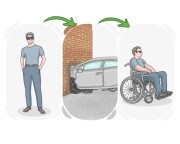
to cause a person, animal, or part of the body to lose the ability to move or function, usually due to injury or illness
paralyser
Un accident vasculaire cérébral peut paralyser un côté du corps, affectant les fonctions motrices.
to inflict severe damage to someone's body so that they are unable to walk or move properly
estropier, handicaper, paralyser
Des maladies comme la polio handicapaient autrefois les individus, affectant leur mobilité.

to make someone unable to see by causing damage to their eyes
aveugler, rendre aveugle

to cause a temporary or permanent loss of hearing
assourdir, rendre sourd
Une exposition prolongée à une musique forte peut progressivement rendre sourd une personne.
to cause someone to lose the use of a limb, particularly a leg
estropier, rendre boiteux
Une blessure grave au genou pourrait potentiellement handicaper une personne.
to make a part of the body or the whole of it numb, immobile, or inactive
engourdir, paralyser
Le médicament avait un effet secondaire qui menaçait de engourdir ses membres temporairement.
