
Verbes du Cours des Événements - Verbes pour débutants

Ici, vous apprendrez quelques verbes anglais se référant au début tels que "commencer", "lancer" et "embarquer".

review-disable

Réviser

flashcard-disable

Flashcards

spelling-disable

Orthographe

quiz-disable

Quiz

Commencer à apprendre
Verbes du Cours des Événements
to begin [verbe]
اجرا کردن

commencer

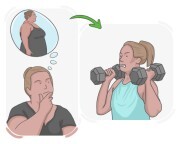
Ex: Let 's begin the cooking process by chopping the vegetables .

Commençons le processus de cuisson en coupant les légumes.
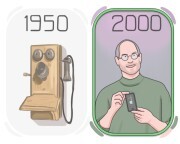
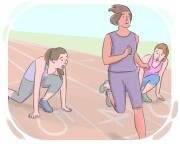
to start [verbe]
اجرا کردن

commencer

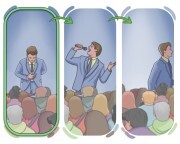
Ex: He started singing along to the song on the radio .

Il a commencé à chanter avec la chanson à la radio.

اجرا کردن

commencer

Ex: The event started off with an inspiring speech from the keynote speaker .

L'événement a commencé par un discours inspirant de l'orateur principal.

to come on [verbe]
اجرا کردن

se déclencher

Ex: The storm came on suddenly , with strong winds and heavy rain .

La tempête a commencé soudainement, avec des vents forts et de fortes pluies.

to set in [verbe]
اجرا کردن

s'installer

Ex: Despair seems to have set in among the team .

Le désespoir semble s'installer parmi l'équipe.

اجرا کردن

se déclarer

Ex: The virus broke out in the densely populated city.

Le virus s'est déclaré dans la ville densément peuplée.

to launch [verbe]
اجرا کردن

lancer

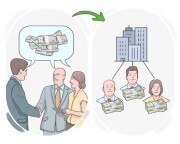
Ex: They plan to launch a marketing campaign to promote the event .

Ils prévoient de lancer une campagne marketing pour promouvoir l'événement.

اجرا کردن

lancer

Ex: The company plans to roll the new smartphone out next month.

L'entreprise prévoit de lancer le nouveau smartphone le mois prochain.

to embark [verbe]
اجرا کردن

s'embarquer

Ex: After years of planning, they are finally ready to embark on their dream of traveling around the world.

Après des années de planification, ils sont enfin prêts à embarquer pour leur rêve de faire le tour du monde.

to proceed [verbe]
اجرا کردن

procéder

Ex: After discussing the matter , they decided to proceed with the plan .

Après avoir discuté de la question, ils ont décidé de procéder avec le plan.

اجرا کردن

commencer

Ex: The ceremony will commence at 10 AM sharp .

La cérémonie commencera à 10 heures précises.

to found [verbe]
اجرا کردن

fonder

Ex: The university was founded in the early 1900s .

L'université a été fondée au début des années 1900.

اجرا کردن

présenter

Ex: The host introduced the conference with a welcoming speech to start the event .

L'hôte a présenté la conférence avec un discours de bienvenue pour commencer l'événement.

to pioneer [verbe]
اجرا کردن

être les pionniers de

Ex: Marie Curie pioneered research on radioactivity .

Marie Curie a pionnière la recherche sur la radioactivité.

اجرا کردن

initier

Ex: The company decided to initiate a new marketing campaign to promote their latest product .

L'entreprise a décidé de lancer une nouvelle campagne marketing pour promouvoir son dernier produit.

اجرا کردن

inaugurer

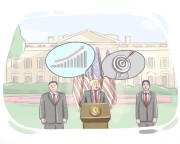
Ex: The president will inaugurate a new economic policy aimed at boosting employment .

Le président inaugurera une nouvelle politique économique visant à stimuler l'emploi.

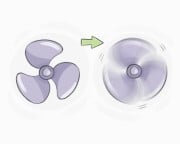
اجرا کردن

activer

Ex: He activated the alarm system before leaving the house .

Il a activé le système d'alarme avant de quitter la maison.

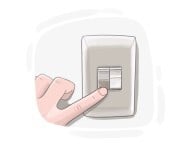
اجرا کردن

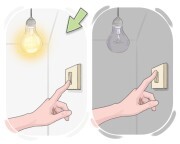
allumer

Ex: As soon as she entered the room, she switched the lights on.

Dès qu'elle est entrée dans la pièce, elle a allumé les lumières.

to turn on [verbe]
اجرا کردن

allumer

Ex:

Il a allumé l'eau pour remplir la baignoire.

اجرا کردن

fonder

Ex: They instituted new safety protocols to prevent accidents .

Ils ont institué de nouveaux protocoles de sécurité pour prévenir les accidents.

اجرا کردن

établir

Ex: The company plans to establish new policies for employee training .

L'entreprise prévoit d'établir de nouvelles politiques pour la formation des employés.

اجرا کردن

tirer son origine

Ex: The idea originated from a conversation between friends .

L'idée est née d'une conversation entre amis.

to develop [verbe]
اجرا کردن

développer

Ex: The situation began to develop into a crisis .

La situation a commencé à se développer en crise.

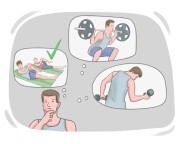
to take up [verbe]
اجرا کردن

adopter

Ex:

Elle a pris la peinture comme passe-temps.

اجرا کردن

se mettre à faire [qch]

Ex: After the interruption , they decided to go about their work to meet the project deadline .

Après l'interruption, ils ont décidé de s'y prendre pour respecter le délai du projet.

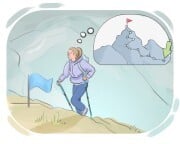
to set out [verbe]
اجرا کردن

se mettre en route

Ex: The research team set out to discover groundbreaking findings in their field.

L'équipe de recherche s'est mise en route pour découvrir des résultats révolutionnaires dans leur domaine.

اجرا کردن

se plonger dans

Ex: With the start of the new semester , students were ready to dive into their studies and pursue academic excellence .

Avec le début du nouveau semestre, les étudiants étaient prêts à plonger dans leurs études et à poursuivre l'excellence académique.

to set off [verbe]
اجرا کردن

se mettre en route

Ex: We 'll set off on our cross-country journey early in the morning to avoid traffic .

Nous partirons tôt le matin pour notre voyage à travers le pays afin d'éviter la circulation.

اجرا کردن

se mettre sérieusement à

Ex: She needed to get down to studying for her final exams.

Elle devait se mettre à étudier pour ses examens finaux.

اجرا کردن

éclater en

Ex: The children burst into giggles during the funny part of the story .

Les enfants éclatèrent de rire pendant la partie drôle de l'histoire.

اجرا کردن

se lancer dans

Ex: The children launched into a game of tag .

Les enfants se sont lancés dans une partie de chat.

اجرا کردن

commencer

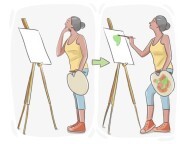
Ex: She started out her painting by sketching the basic outlines on the canvas .

Elle a commencé sa peinture en esquissant les contours de base sur la toile.

اجرا کردن

se mettre à

Ex: The community set about restoring the historic building to its former glory.

La communauté s'est mise à restaurer le bâtiment historique pour lui rendre son ancienne gloire.