
Compétence en Lecture pour l'Examen ACT - Pensées
Apprenez le vocabulaire ACT lié aux pensées, aux idées, aux croyances, à la réflexion, au raisonnement, à l'imagination et aux différentes façons de former ou d'exprimer des concepts.
Réviser
Flashcards
formes
Orthographe
Quiz


to completely understand, acknowledge, or become aware of the existence, validity, or importance of something

reconnaître, identifier
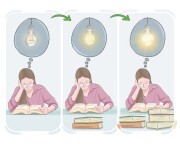
to understand something through thought or reasoning
discerner, percevoir
Il a discerné un motif dans les données après des heures d'analyse.

to form an idea or concept in the mind by combining existing ideas or information
conceptualiser, élaborer un concept
Les scientifiques ont travaillé ensemble pour conceptualiser une nouvelle théorie qui expliquait des phénomènes complexes.
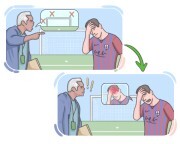
to create reasonable explanations for behaviors, decisions, or actions, especially when they may not truly represent the real motives
rationaliser
Après avoir acheté un article de luxe, elle a essayé de rationaliser la dépense en se convainquant que c'était une occasion rare.
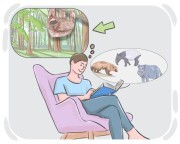
to picture something in one's mind
imaginer, envisager
Alors qu'elle fermait les yeux, elle essaya d'imaginer les plages sereines qu'elle espérait visiter pendant les vacances.
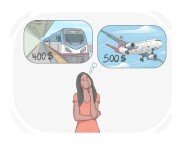
to think about something carefully before making a decision or forming an opinion
considérer, envisager
to view or assess something or someone in a certain way based on evaluation
estimer, considérer
L'artiste estimait la nature comme une source d'inspiration inépuisable pour ses peintures.
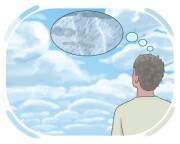
a belief about what is likely to happen in the future, often based on previous experiences or desires
attente, espérance
an idea or belief that one thinks is true without having a proof
supposition, hypothèse
the process or act of depicting or detailing the distinctive traits, qualities, or features of a person, object, or concept
création de personnages
Sa caractérisation vivante du marché animé a peint une image claire dans l'esprit du lecteur.
an idea accepted as true without proof, often used as a basis for reasoning
supposition
Son plan était fondé sur la supposition que le temps resterait sec.
the action of understanding or becoming fully aware of something
réalisation, prise de conscience
Il a éprouvé une prise de conscience profonde de l'importance de la famille pendant son séjour à l'étranger.
the act of making previously secret or unknown information known
révélation
a moment in which one comes to a sudden realization
illumination, soudaine révélation, fulguration
L'artiste a eu une épiphanie et a soudainement compris la direction de son travail.
a person's understanding or knowledge of a subject, idea, or situation
compréhension, maîtrise
the act of forming a personal understanding or mental image of something based on individual perception or analysis
interprétation, compréhension
the action of predicting something to happen in the future
anticipation, prévision
Son anticipation des tendances du marché boursier lui a permis de réaliser des investissements rentables.
the act or process of saying what is expected to happen in the future
prédiction
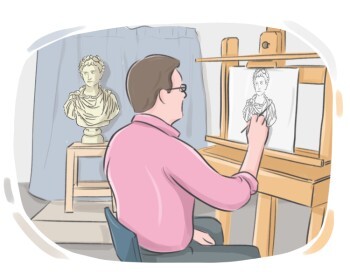
a feeling or state of mental stimulation that produces creative ideas or activity
inspiration
a general concept or idea that is not tied to any specific instance or physical form
abstraction, concept abstrait
Le travail de l'artiste traite souvent de l'abstraction des émotions humaines, utilisant des couleurs et des formes pour représenter des sentiments.
an idea, understanding, or mental picture of what something is or should be like
conception, idée
the process of carefully thinking about or discussing something in detail before making a decision
délibération, réflexion approfondie
La délibération du comité sur la nouvelle politique a pris plusieurs heures de discussion intense.
a strong and uncontrollable interest or attachment to something or someone, causing constant thoughts, intense emotions, and repetitive behaviors
obsession
Il était consumé par une obsession pour la forme physique, passant des heures à la salle de sport chaque jour.
a mental state achieved by maintaining a moment-by-moment awareness of one's thoughts, feelings, etc., used as a therapeutic technique
pleine conscience, pleine présence, présence attentive, pleine attention
L'atelier sur la pleine conscience a appris aux participants à rester présents dans l'instant.
a set of beliefs about the nature of the world and the place of humans within it
vision du monde, conception du monde
Les écrits du philosophe offrent une vision du monde unique qui remet en question la pensée conventionnelle.
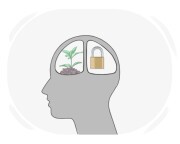
a set of attitudes, beliefs, or a mental disposition that influences how a person interprets and responds to situations
état d'esprit, mentalité
L'état d'esprit positif de l'équipe a contribué à son succès dans la surmonte des défis.
a clear and deep understanding of a person, situation, problem, or subject
aperçu
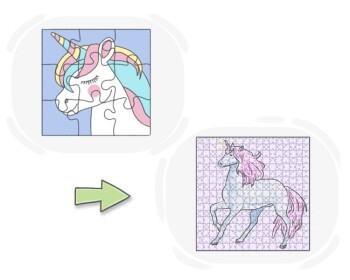
hard to understand or explain
déroutant, énigmatique
Les intentions de l'artiste étaient déroutantes, laissant les critiques débattre de leur signification.
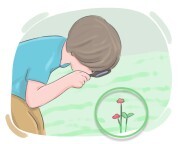
arousing interest and curiosity due to being strange or mysterious
fascinant
Le manoir abandonné sur la colline avait une histoire intrigante, enveloppée de mystère et de rumeurs.
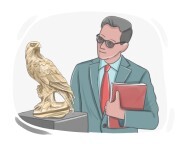
having refined taste, elegance, and knowledge of complex matters
raffiné
Son sens de l'humour sophistiqué en a fait un succès lors des rassemblements sociaux.
feeling confused and having trouble thinking or reacting correctly
étourdi, hébété
Après l'accident, elle regarda autour d'elle avec une expression hébétée.
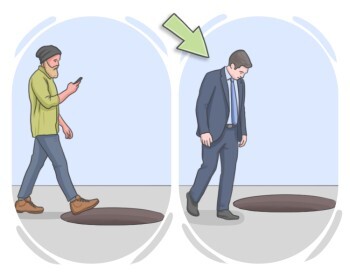
paying close attention to one's surroundings or circumstances to stay aware of potential risks or threats
vigilant, attentif
Elle est restée vigilante toute la nuit, gardant le camp.
confused or puzzled, often because of a complex or difficult situation or problem
perplexe, déconcerté
Les étudiants étaient perplexes face au problème de mathématiques difficile.
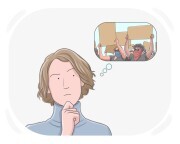
to give careful thought to something, its various aspects, implications, or possibilities
réfléchir
En tant que nouveau parent, elle s'est retrouvée à méditer sur des questions de moralité et de responsabilité plus que jamais auparavant.

to consider doing something or think about something as a possible future action
envisager, réfléchir à, songer à
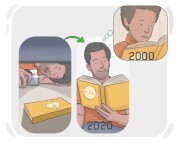
to remember past events, experiences, or memories with a sense of nostalgia
se rappeler, se souvenir, se remémorer
En regardant de vieilles photographies, elle ne pouvait s'empêcher de se remémorer les jours insouciants de la jeunesse.

to form or develop an idea, plan, or concept in the mind
concevoir
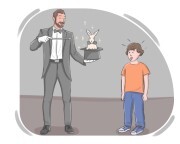
to puzzle someone by being mysterious or difficult to understand
mystifier, déconcerter
La disparition de l'artefact ancien a mystifié les archéologues.
to incorporate or integrate information, beliefs, or values into one's own understanding or mindset
intérioriser, assimiler
En thérapie, les individus peuvent travailler à intérioriser des mécanismes d'adaptation pour gérer efficacement le stress et les défis émotionnels.

to absorb all of someone's attention or time, captivating them completely
se plonger dans, s'immerger dans
Le jeu de puzzle difficile l'a absorbé pendant des heures.
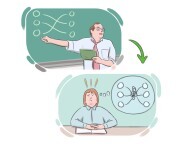
to confuse someone, leaving them uncertain
déconcerter, désorienter
Le puzzle complexe déconcerta le solveur, le laissant incertain de par où commencer.
to completely occupy someone's thoughts, feelings, or attention
consumer, dévorer
to think about something with regard to its condition and relating information so as to understand it better
placer [qch] dans son contexte, contextualiser
Le professeur a demandé aux étudiants de contextualiser la littérature en tenant compte de la vie de l'auteur.
to relate or assign a feature or quality to something or someone
attribuer
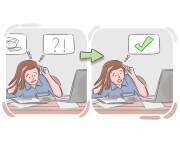
to understand and make sense of something after giving it a lot of thought
comprendre
Il lui a fallu un certain temps pour comprendre les complexités de la théorie scientifique.
to unsettle someone, often leading them to lose their confidence or peace temporarily
décontenancer, perturber
Le changement inattendu des plans n'a pas dérouté l'équipe adaptable; ils se sont rapidement ajustés et ont continué leur travail.
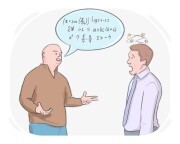
to confuse someone, often by being difficult to understand
stupéfier, déconcerter
Le tournant inattendu des événements a déconcerté le public, les laissant incertains sur la façon de réagir.
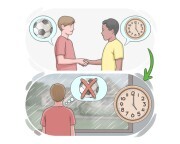
to come to a conclusion without enough evidence
présumer, conjecturer
Lorsque le retard inattendu s'est produit, les passagers ne pouvaient que supposer qu'il pourrait y avoir un problème avec l'horaire du train.
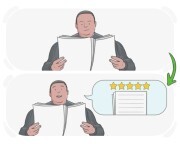
to consider or judge someone or something in a particular way
considérer, estimer
to acknowledge someone as the source, agent, or possessor of an action, achievement, or quality
attribuer, reconnaître
to establish a lasting impression or memory of something in someone's mind
imprimer, graver
L'expérience traumatisante a imprimé la peur et l'anxiété dans le subconscient de l'enfant.
to attribute a particular quality, cause, or origin to someone or something
attribuer
Elle a tendance à attribuer son succès au travail acharné et à la persévérance.
to interpret or understand something that is difficult or unclear
déchiffrer, interpréter
Déchiffrer une carte est crucial pour la navigation en terrain inconnu.

in a way that shows close focus, deep concentration, or eager attention to something
attentivement, avec attention
Le chat regardait attentivement l'oiseau à travers la fenêtre.
