
Cambridge IELTS 19 - Academic - Test 2 - Écoute - Partie 4 (2)
Apprenez le vocabulaire de la deuxième partie du Cambridge IELTS 19 Academic, Test 2 Listening Part 4, avec des mots et expressions utiles de cette section.
Réviser
Flashcards
formes
Orthographe
Quiz

more than any other thing

principalement, surtout
Son succès dans la compétition était principalement dû à son travail acharné constant et à son dévouement.

(of a substance) to cover the surface something
recouvrir, enduire
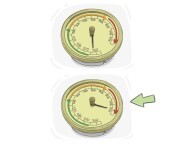
to a very great degree
incroyablement
L'histoire qu'elle a racontée était incroyablement intéressante.

individuals of the human race
êtres humains, individus de la race humaine
Les actions des êtres humains façonnent souvent l'environnement.
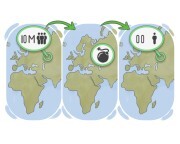
to cause the death of a significant portion of a population
décimer une population, exterminer une grande partie d'une population
La maladie menaçait d'anéantir la population indigène.
if a particular situation occurs
en cas de, dans l'éventualité de
En cas de panne de courant, utilisez des lampes de poche ou des bougies pour vous éclairer.
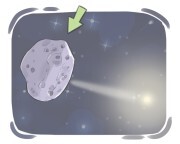
any of the rocky bodies orbiting the sun, ranging greatly in diameter, also found in large numbers between Jupiter and Mars
astéroïde
Les astéroïdes varient en taille, allant de minuscules fragments à de grands corps de plusieurs centaines de kilomètres de diamètre.
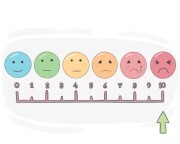
very high in intensity or degree
extrême
prone to danger or harm
en danger, à risque
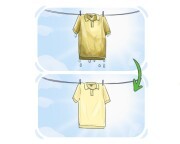
to become dry or drier after the removal of moisture
sécher, perdre son humidité
Accrochez les serviettes mouillées à l'extérieur, et elles vont progressivement sécher dans la brise.
a state in which an organism's metabolism nearly stops, allowing it to survive extreme conditions
cryptobiose, état de cryptobiose
Les tardigrades peuvent entrer en cryptobiose pour survivre dans des environnements hostiles comme l'espace.
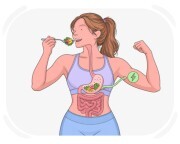
the chemical processes through which food is changed into energy for the body to use
métabolisme
a point or position on a scale of quantity, quality, extent, etc.
niveau
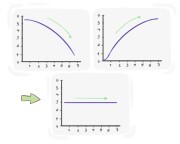
to stay in the same state or condition
demeurer
to bring something back or present it again after it has been removed or not used for a period of time
réintroduire, présenter à nouveau
Après une longue pause, ils ont décidé de réintroduire l'ancienne tradition.
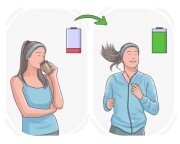
to restore strength, energy, or vitality to someone or something
raviver, ranimer
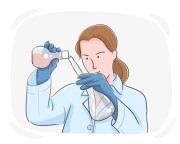
a test done to prove the truthfulness of a hypothesis
expérience
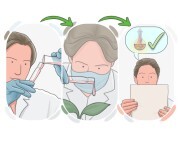
to learn of and confirm the facts about something through calculation or research
déterminer

the best performance or result, or the highest or lowest level that has ever been reached, especially in sport
record

used as a placeholder or filler in conversation, often to indicate a temporary pause or hesitation
euh, heu
Euh, pourriez-vous clarifier ce que vous entendez par là ?
to transition or shift to a different topic or activity
passer à, avancer
Elle conseille fréquemment aux présentateurs sur la manière de passer en douceur au sujet suivant.
referring to or considering a specific aspect or factor
en termes de, en matière de
En termes de salaire, ce poste offre une rémunération compétitive.
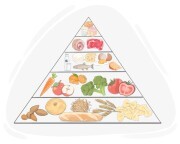
the types of food or drink that people or animals usually consume
alimentation, régime alimentaire
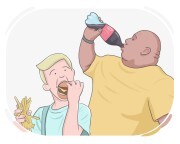
to eat or drink something
consommer, manger ou boire
with the intention of achieving a specific goal or outcome
afin de, pour
Il a économisé de l'argent afin de acheter une nouvelle voiture.
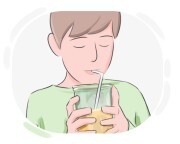
to draw liquid or air into the mouth by creating suction with the lips and tongue
aspirer
a small, non-vascular plant that lacks true roots, stems, and leaves, typically forming dense green mats or cushions in damp or shady environments
mousse, bryophyte
La mousse prospère dans les zones à forte humidité et à ensoleillement minimal.
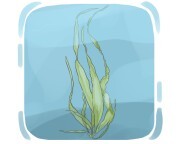
a type of plant that grows in or near the sea
algues
Les algues peuvent être moulues en poudre et utilisées comme assaisonnement pour ajouter de la profondeur de saveur aux plats.
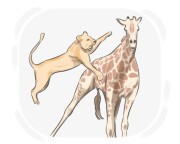
to hunt, capture, and eat other animals as a means of survival
chasser capturer et manger d'autres animaux, se nourrir d'autres animaux pour survivre
Les hiboux chassent les petits rongeurs pendant la nuit.
a substance that is similar to a solid but is made from a liquid that has thickened into a semi-solid form
gel, substance gélatineuse
Le gel à l'intérieur de la plante d'aloe vera aide à apaiser les brûlures.

the protection of the natural environment and resources from wasteful human activities
préservation, protection
the condition or situation of something or someone at a particular moment in time
état, statut
Le statut du projet a été mis à jour pendant la réunion.
the fact or state of existing or being objectively real
existence
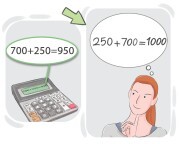
used to say that something such as a number or amount is not exact
environ
La population de la ville est d'environ 500 000 habitants.

involving or impacting a large number of things or people collectively
de masse
to give the impression of having the quality or characteristic described by the following word

to judge the quality, importance, value, or effectiveness of someone or something
évaluer
a single political entity created by merging previously separate groups, states, or organizations
union, fédération
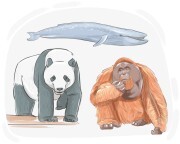
(of an animal, plant, etc.) being at risk of extinction
en danger
Des efforts de conservation sont en cours pour protéger l'habitat du tigre du Bengale en danger.
as a result of a specific cause or reason
à cause de
L'événement a été annulé en raison de circonstances imprévues.
a part of the body that helps take in oxygen and remove carbon dioxide, allowing breathing to occur
organe respiratoire, appareil respiratoire
Les poissons utilisent des branchies comme organe respiratoire pour respirer sous l'eau.
able to recover quickly from difficult situations
résilient, résistant
La communauté a montré une unité résiliente en reconstruisant après une catastrophe naturelle.
to make sure that something will happen
assurer
currently happening
en cours, en train de se faire
L'enquête sur cette affaire est en cours, les détectives rassemblant des preuves.
to begin or become involved in a particular situation, activity, state, or conflict
entrer, s'engager
to bend or draw a part of the body into a curved position
recroqueviller, courber
a small amount of time, quantity, or degree
the natural liquid or moisture contained in food or another substance
jus, suc
a dry, round, lifeless-looking form that some tiny animals, like water bears, change into by drying out their bodies to survive very hard conditions
tonne, forme sèche
Un tun peut survivre à des chaleurs et des froids extrêmes.
