
Cambridge IELTS 19 - Akademický - Test 2 - Poslech - Část 4 (2)
Zde najdete slovní zásobu z Testu 2 - Poslech - Část 4 (2) v učebnici Cambridge IELTS 19 - Academic, která vám pomůže připravit se na vaši zkoušku IELTS.
Revize
Kartičky
tvary
Pravopis
Kvíz

more than any other thing

hlavně, zejména
Rozhodla se přijmout práci hlavně kvůli příležitosti pracovat na inovativních projektech.

(of a substance) to cover the surface something
pokrýt, obalit
Po stavebních pracích vrstva pilin pokryla celou dílnu.
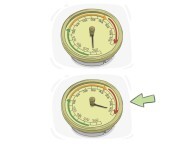
to a very great degree
neuvěřitelně, extrémně
Byl neuvěřitelně šťastný se svými výsledky zkoušek.

individuals of the human race
lidé, jedinci lidské rasy
Jako lidé sdílíme společnou potřebu jídla, přístřeší a bezpečnosti.
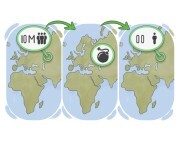
to cause the death of a significant portion of a population
vyhladit, zničit
Smrtící plyn by mohl vyhladit celé populace, pokud by byl uvolněn.
if a particular situation occurs
v případě, při události
Máme pojištění v případě nehod nebo zranění.

any of the rocky bodies orbiting the sun, ranging greatly in diameter, also found in large numbers between Jupiter and Mars
asteroid, kamenné nebeské těleso
Některé asteroidy obsahují cenné minerály a zdroje, které by mohly být v budoucnu těženy.
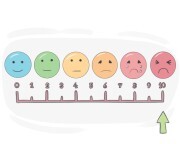
very high in intensity or degree
extrémní, intenzivní
Film zobrazil extrémní činy odvahy a hrdinství tváří v tvář nepřízni osudu.
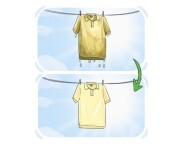
to become dry or drier after the removal of moisture
vyschnout, usušit
Mokrá barva na zdech bude pomalu vysychat, odhalující skutečnou barvu.
a state in which an organism's metabolism nearly stops, allowing it to survive extreme conditions
kryptobióza, stav kryptobiózy
Semena rostliny byla ve stavu kryptobiózy, dokud nebyla zalita.
the chemical processes through which food is changed into energy for the body to use
metabolismus, látková výměna
Metabolismus se s věkem zpomaluje, což vede ke změnám v energetických hladinách a složení těla.
a point or position on a scale of quantity, quality, extent, etc.
úroveň, stupeň
Jeho hladiny energie byly nízké po dlouhém dni v práci.
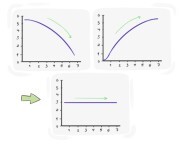
to stay in the same state or condition
zůstat, setrvat
I po rekonstrukci zůstanou některé stopy původní architektury zachovány.
to bring something back or present it again after it has been removed or not used for a period of time
znovu zavést, znovu představit
Zvíře bylo úspěšně znovu uvedeno do volné přírody poté, co bylo chováno v zajetí.
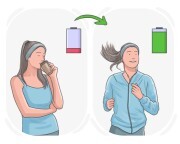
to bring new life or energy to something
oživit, obnovit
Dobrý noční spánek může oživit vaše tělo a mysl.

a test done to prove the truthfulness of a hypothesis
pokus
Laboratoř byla vybavena špičkovým zařízením pro provádění pokusů ve fyzice.
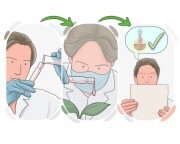
to learn of and confirm the facts about something through calculation or research
určit, stanovit
Právě teď výzkumníci aktivně určují dopad nové politiky.

the best performance or result, or the highest or lowest level that has ever been reached, especially in sport
rekord, nejlepší výkon
Plavec překonal světový rekord na 100 metrů volný způsob a získal zlatou medaili.

used as a placeholder or filler in conversation, often to indicate a temporary pause or hesitation
éé, no
Takže, erm, co myslíš, že bychom měli udělat dál?
to transition or shift to a different topic or activity
přejít k, pokračovat
Po dokončení první části prezentace se rozhodli přejít k dalšímu bodu programu.
referring to or considering a specific aspect or factor
z hlediska, pokud jde o
Toto auto je lepší než ostatní z hlediska palivové účinnosti.
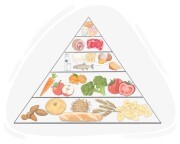
the types of food or drink that people or animals usually consume
strava, výživa
Středomořská strava, známá svým důrazem na olivový olej, ryby a čerstvé produkty, byla spojena s různými zdravotními přínosy.

to eat or drink something
konzumovat, jíst nebo pít
V útulné kavárně hosté konzumovali teplé nápoje a čerstvě upečené pečivo.
with the intention of achieving a specific goal or outcome
aby, pro
Pravidelně cvičila, aby zlepšila svou kondici.
to pull air, liquid, etc. into the mouth by using the muscles of the mouth and the lips
sát, nasávat
Atlet sál vodu z hydratačního vaku během závodu.
a small, non-vascular plant that lacks true roots, stems, and leaves, typically forming dense green mats or cushions in damp or shady environments
mech, bryofyt
Vědci studují rozmanitost a adaptaci mechů, aby porozuměli jejich ekologickým rolím v různých stanovištích.

a type of plant that grows in or near the sea
mořská řasa, řasy
Pláž byla po bouři poseta řasami, což vytvořilo přírodní koberec zelené a hnědé barvy.

to hunt, capture, and eat other animals as a means of survival
lovit, živit se
Některé hady loví vejce, polykají je celé.
a substance that is similar to a solid but is made from a liquid that has thickened into a semi-solid form
gel, gelovitá látka
Vědec použil gel k oddělení DNA v laboratoři.

the protection of the natural environment and resources from wasteful human activities
ochrana, zachování
Mnoho organizací se zaměřuje na ochranu volně žijících živočichů, aby zabránilo vyhynutí druhů.
the condition or situation of something or someone at a particular moment in time
stav, status
Finanční stav společnosti se po nové investici zlepšil.
the fact or state of existing or being objectively real
existence, býtí
Existenci starověkých civilizací lze prokázat archeologickými důkazy.

used to say that something such as a number or amount is not exact
přibližně, zhruba
Zítra by teplota měla dosáhnout přibližně 25 stupňů Celsia.

involving or impacting a large number of things or people collectively
hromadný, kolektivní
to give the impression of having the quality or characteristic described by the following word

to calculate or judge the quality, value, significance, or effectiveness of something or someone
hodnotit, posuzovat
Je důležité vyhodnotit dopad nových stavebních projektů na životní prostředí před udělením povolení.
a single political entity created by merging previously separate groups, states, or organizations
unie, federace
Svaz sovětských socialistických republik (SSSR) byl založen v roce 1922.
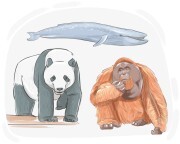
(of an animal, plant, etc.) being at risk of extinction
ohrožený
Klimatické změny představují významnou hrozbu pro mnoho ohrožených druhů tím, že mění jejich stanoviště a zdroje potravy.
as a result of a specific cause or reason
kvůli, z důvodu
Zrušení hodin bylo kvůli stávce učitelů.
a part of the body that helps take in oxygen and remove carbon dioxide, allowing breathing to occur
dýchací orgán, dýchací aparát
Dýchací orgány spolupracují, aby dodávaly kyslík do těla.
able to recover quickly from difficult situations
odolný, houževnatý
Odolný atlet se rychle zotavil z menšího zranění a vrátil se do soutěže.

to make sure that something will happen
zajistit, garantovat
Kapitán zajistil bezpečnost cestujících během bouře.
currently happening
probíhající, v průběhu
Přípravy na akci jsou v plném proudu, pořadatelé připravují stánky a dekorace.
to begin or become involved in a particular situation, activity, state, or conflict
vstoupit, zapojit se
Rozhodnutí vlády vstoupit do obchodní dohody mělo pro zemi významné ekonomické důsledky.
to bend or position a part of body in a curved or coiled shape
stočit, ohýbat
Ona stočila prsty kolem hrnku, aby zahřála ruce.
a small amount of time, quantity, or degree
the liquid or moisture found inside something
šťáva, tekutina
Šťáva z mízy stromu byla hustá a lepkavá.
a dry, round, lifeless-looking form that some tiny animals, like water bears, change into by drying out their bodies to survive very hard conditions
tuna, suchá forma
Vodní medvěd se změnil v sud, když vyschl.
